
Country showcase · March 2026
Showcase: Inside Estonian defence tech (2026)


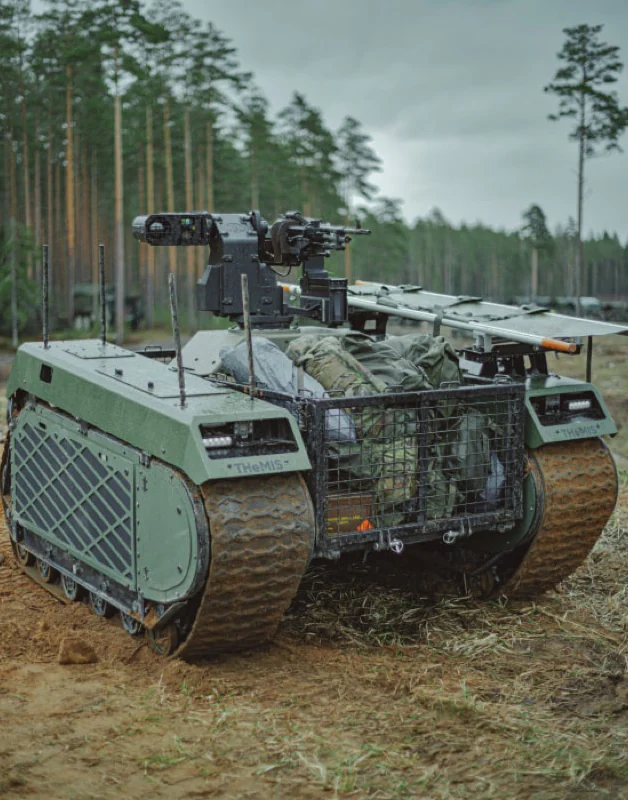
In 2019, Estonian soldiers deployed a tracked robot called THeMIS to a French military base in Mali. Built by Milrem Robotics in Tallinn, it hauled ammunition and water across lava rock in 48-degree heat, covering 1,200 kilometres over 330 hours. The platform worked well enough that 19 countries have since bought it. In January 2026, Frankenburg Technologies, another Estonian company, released footage of a guided missile destroying a Shahed-type drone mid-flight at over 1,000 km/h. The missile is 60 centimetres long and weighs under 2 kilograms. Frankenburg had been incorporated just 5 months earlier and had already raised EUR 30 million in Series A. CrystalSpace, also in Tallinn, has shipped over 200 space-qualified cameras, 4 of which flew to the Moon on the Artemis programme. All three companies are from a country of 1.3 million people.
The DefenceJobs atlas tracks over 50 defence technology companies headquartered in Estonia. Most sit within 30 minutes of Tallinn, drawing graduates from TalTech and the University of Tartu. The government spent 3.4 % of GDP on defence in 2025 and has committed to 5.4 per cent through 2029, totalling EUR 10 billion in procurement over 4 years. A 200-hectare defence industry park is under construction in Parnu County. SmartCap, a state-backed fund, has EUR 100 million to deploy into defence companies, and Darkstar became one of the first European VCs willing to invest directly in military hardware.
Ground robotics
Milrem Robotics grew out of SEBE, a bus company on the Tallinn–Tartu route. When SEBE modernised its fleet, the repair workshops had less work. Rather than close them, the founders won a Ministry of Defence contract to maintain PASI XA armoured vehicles, and from there prototyped an unmanned ground vehicle in 2014. They unveiled THeMIS at a London defence show in 2015.
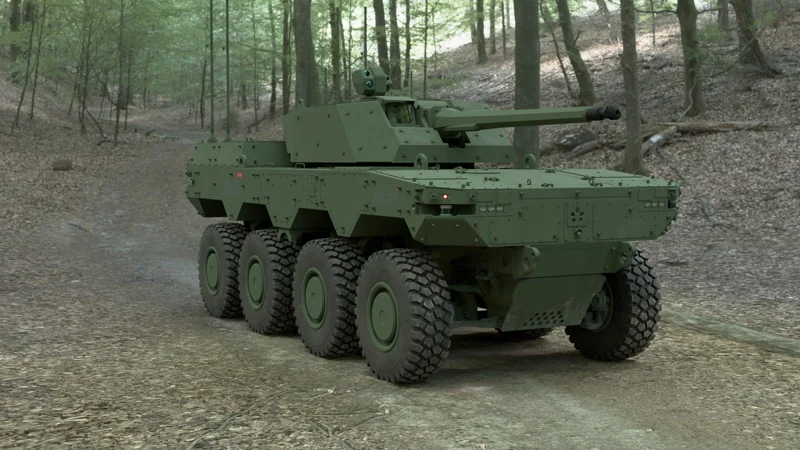
Today 19 countries operate the platform. In October 2025, the Netherlands ordered 150 additional units for Ukraine, the largest THeMIS order to date, to be assembled with Dutch partner VDL Defentec. A new Tallinn factory can produce 500 units a year, 5 times previous capacity. Milrem also unveiled the Havoc 8x8, a 12-tonne hybrid-electric robotic combat vehicle that reaches 110 km/h. EDGE Group of the UAE holds a majority stake, the largest foreign investment in Estonian defence.
Around the anchor, smaller companies appeared. ASAX Innovation in Viljandi builds medevac UGVs tested in real operations. GoCraft runs Estonia's first privately owned military vehicle facility, converting 37 Norwegian-surplus CV90 armoured vehicles under a EUR 29 million contract, the largest domestic defence order in the country's history. Milmech Systems in Viljandi makes an 800kg tracked demining robot.

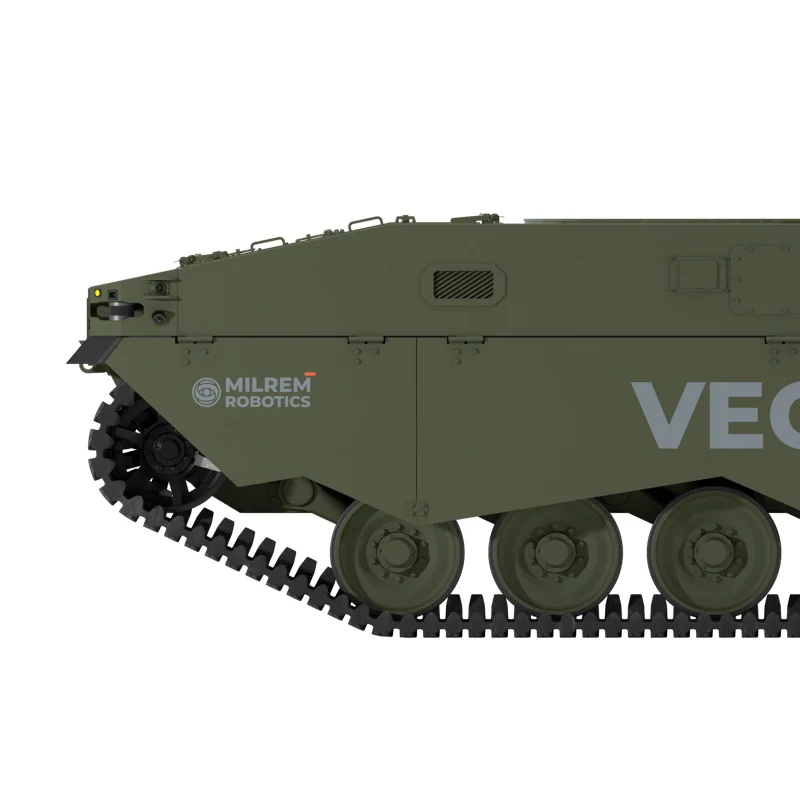
Milrem Robotics
Estonian defence robotics company building unmanned ground vehicles for NATO and allied forces. Maker of the THeMIS multi-role UGV and Type-X robotic combat vehicle, deployed by militaries in over 19 countries.

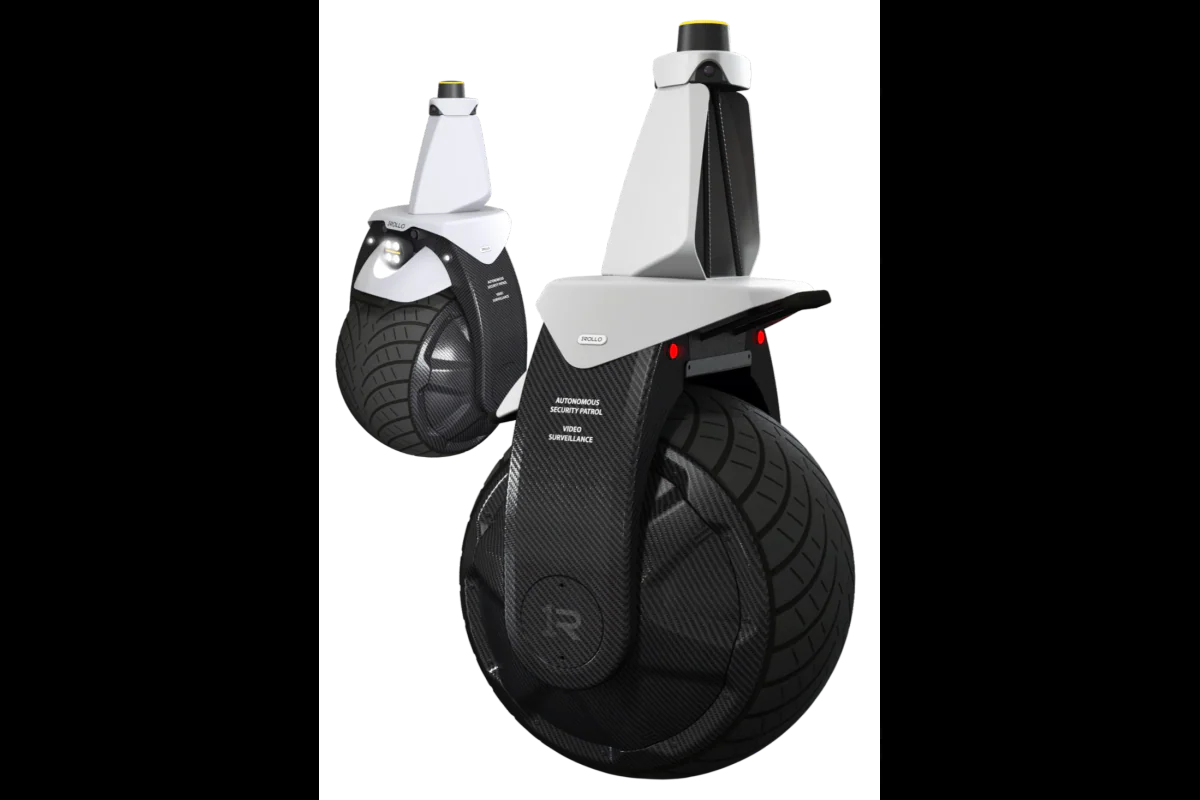
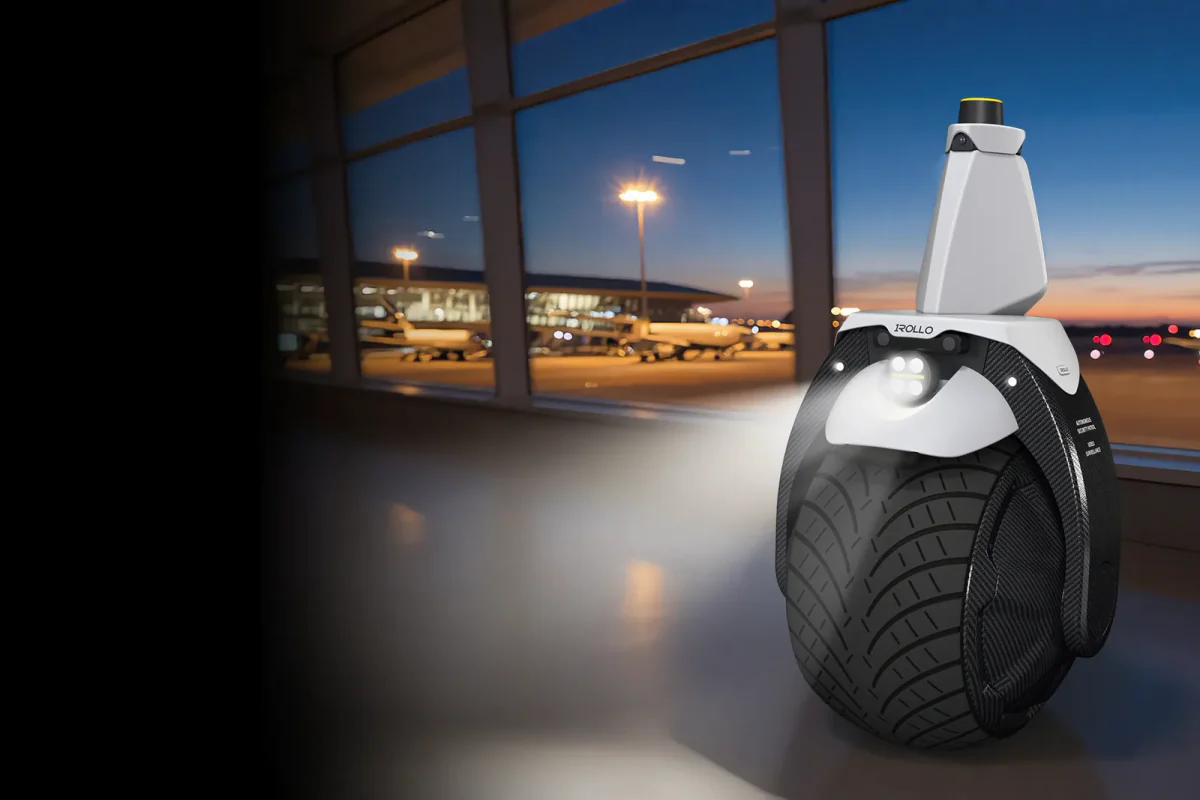
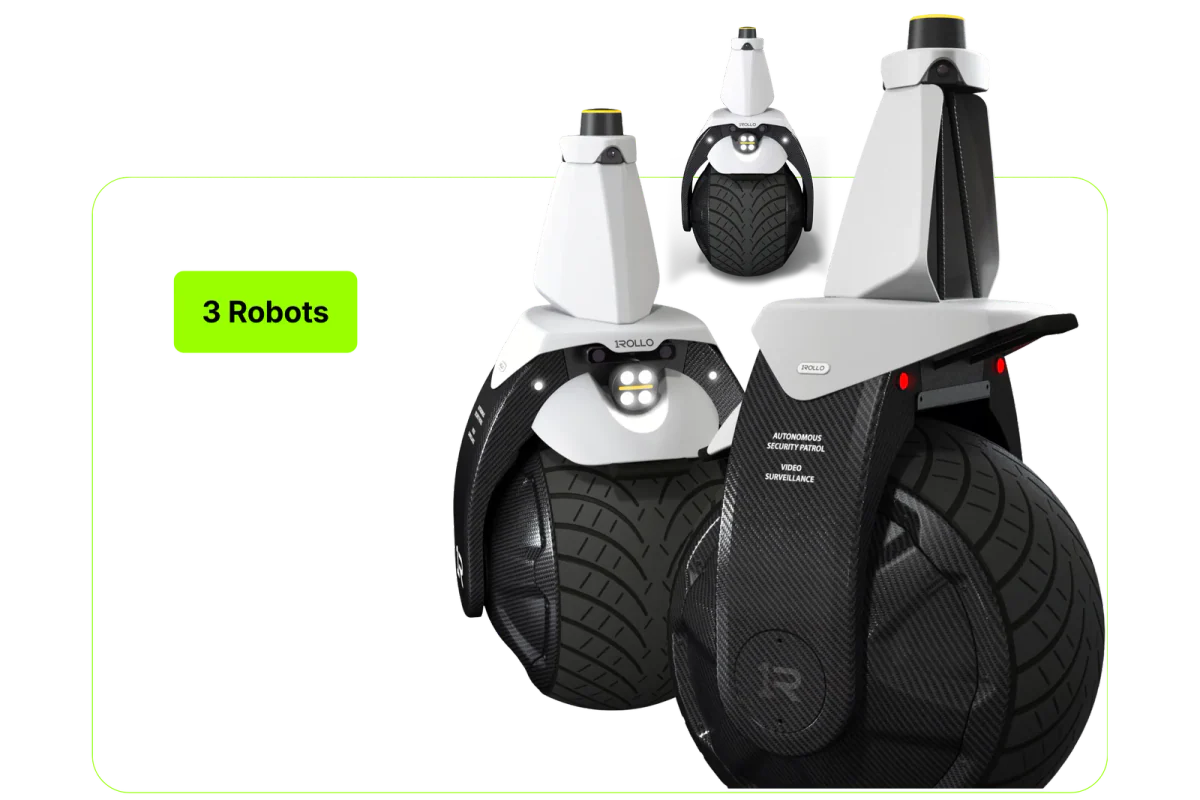
Rollo Robotics
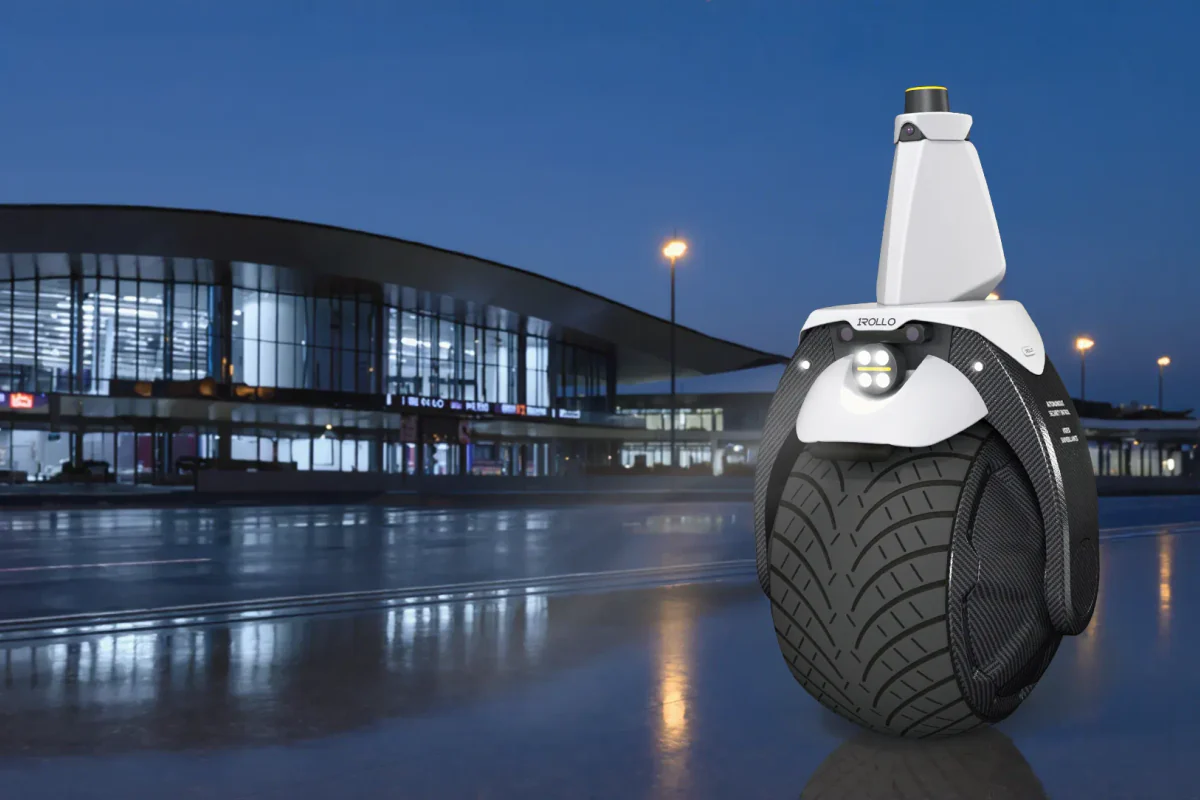
Rollo Robotics builds 1ROLLO, an autonomous one-wheeled security robot platform for outdoor patrol, situational awareness and fleet-managed security operations.
Defence technology company designing and manufacturing military-grade unmanned ground vehicles (UGVs) capable of performing various combat support functions. UGVs tested with Estonian Defence Forces and deployed in Ukraine for battlefield medical evacuation.
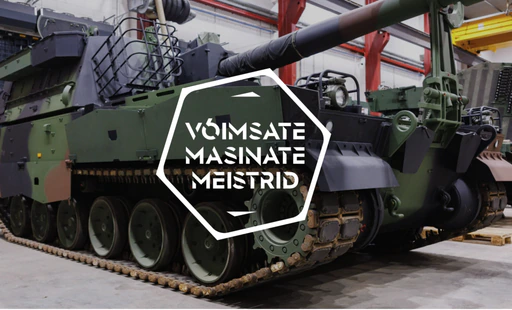
Estonian military heavy equipment engineering company. Converts CV90 armoured vehicles into eight combat variants and adapts K9 self-propelled howitzers for the Estonian Defence Forces. Operates the country's first privately owned military weapons repair and production facility. Hanwha Aerospace maintenance partner.

Estonian manufacturer of tracked unmanned ground vehicles for demining. Builds an 800 kg gasoline-powered UGV with a patented flail-and-plow system for breaching anti-personnel minefields. NATO DIANA pre-accelerator participant.
Telearmy develops remote teledriving technology that enables vehicles to be driven remotely over long distances via satellite or radio. The system is war-proven in Ukraine and can retrofit any ground vehicle for unmanned operations in logistics, reconnaissance, or evacuation in high-risk zones.
Drones and UAV
The drones built here are designed for sub-zero temperatures, high winds and GPS-denied airspace. Those are the default conditions near the Russian border.
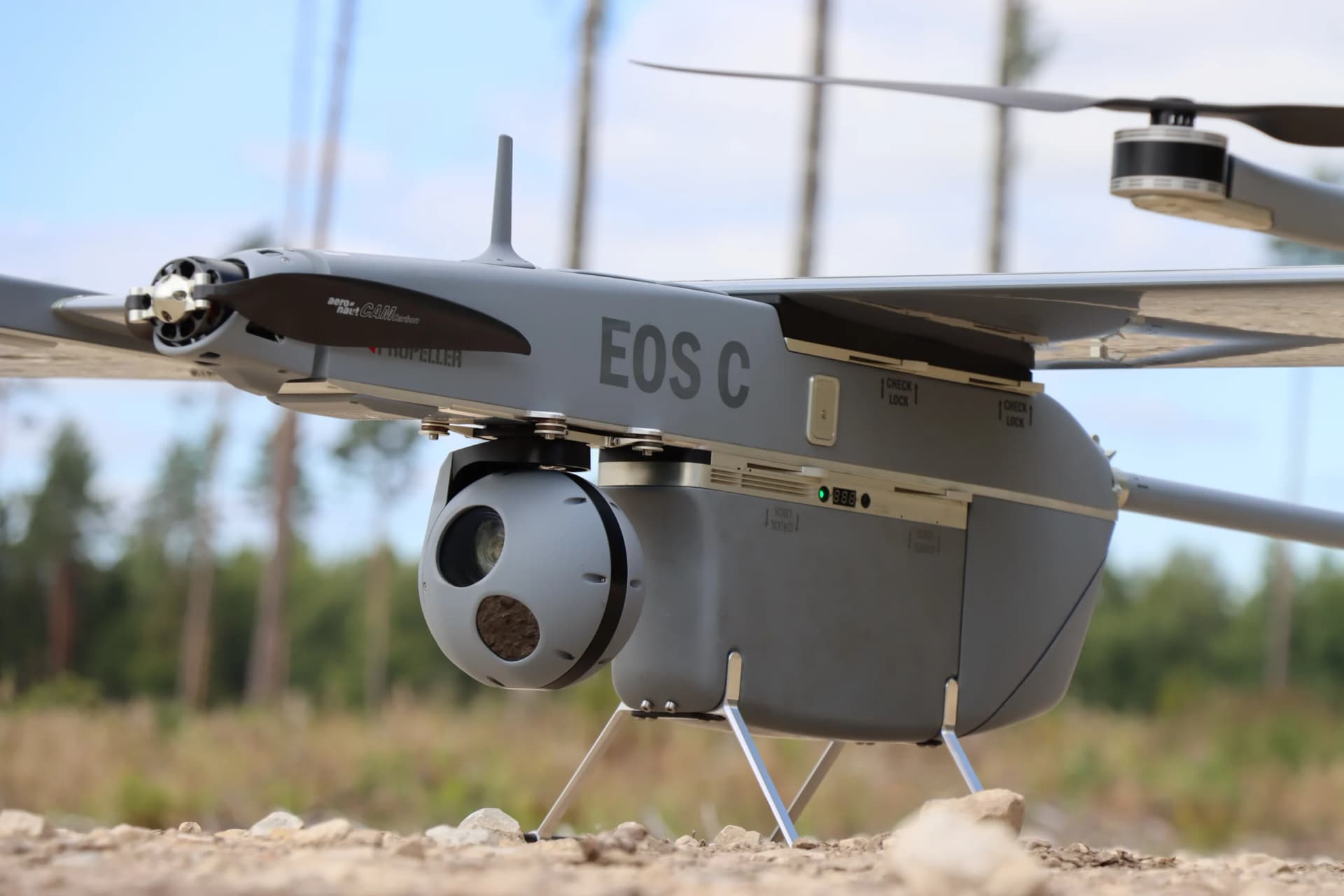
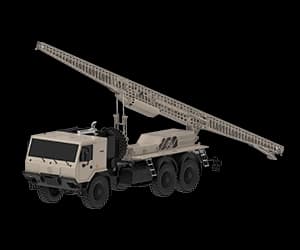
Threod Systems reported EUR 38 million in revenue for 2024, up 87 % year on year. Its most significant product may not be a drone at all. The CATA pneumatic launcher can hurl strike drones weighing up to 400kg at 55 metres per second, and Ukrainian forces use it extensively. “Every time you see a long-range drone hitting a target on Russian territory, it's quite likely that our launcher was used,” Threod's commercial director told Defense News.
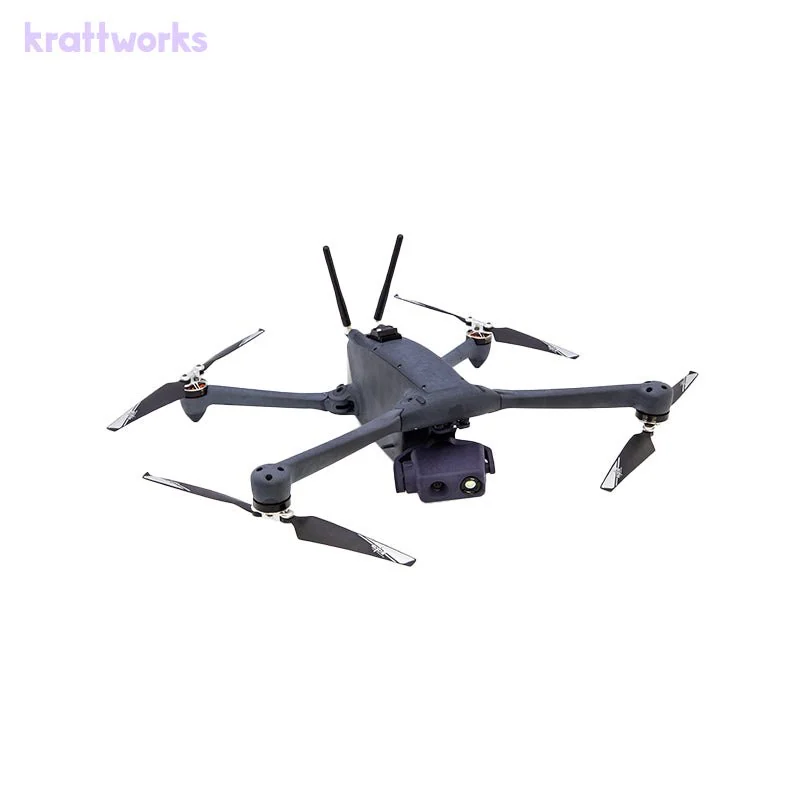
KrattWorks sent its Ghost Dragon quadcopters to Ukraine in mid-2022, but within 3 months Russian jamming had made them partially useless. The company responded by building a neural-network optical navigation system that flies without GPS at all. Skyeton, Ukrainian-founded with an Estonian holding entity, has delivered over 1,000 Raybird platforms with endurance up to 28 hours and has logged more than 350,000 combat flight hours. Deftak, another Ukrainian-Estonian venture, raised EUR 600,000 from Darkstar to build precision drone ammunition designed to work despite GPS jamming.

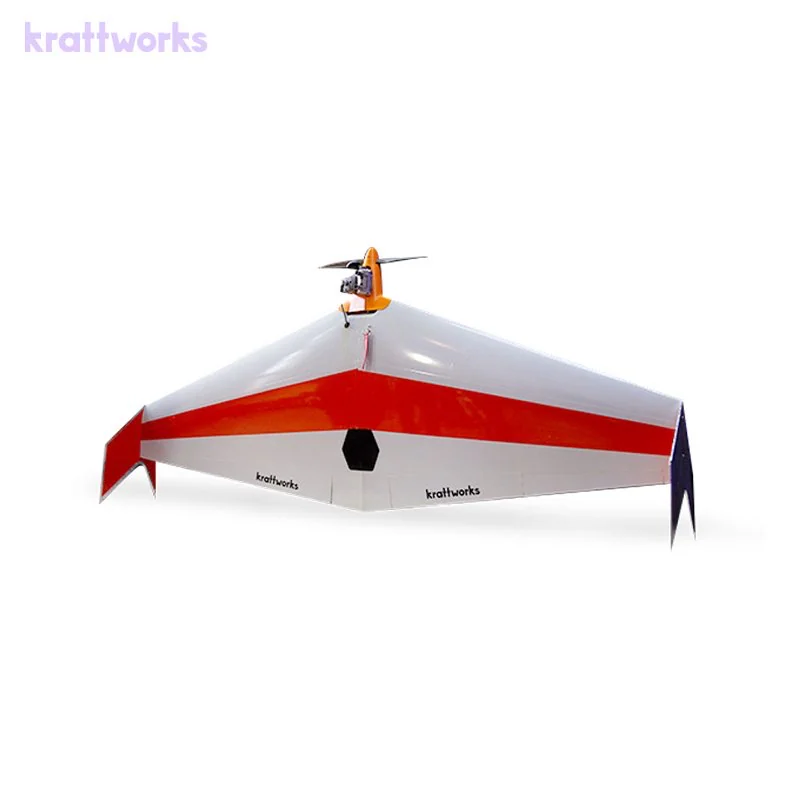
KrattWorks
Builds jamming-resistant ISR drones and aerial target systems for military operators, deployed across Estonia, Ukraine, Georgia and Moldova.

Skyeton
Fixed-wing UAV manufacturer producing the Raybird platform with 28-hour endurance and 2,500km range. Over 1,000 aircraft built, 350,000+ combat flight hours logged across military customers.
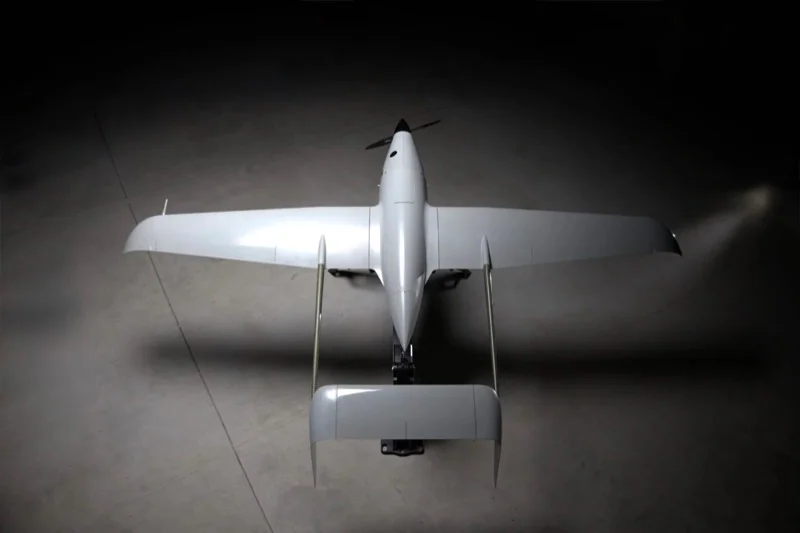
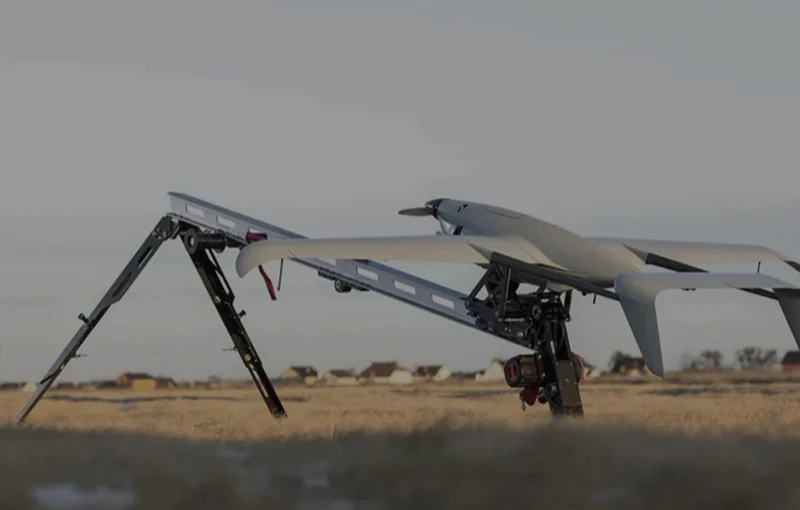
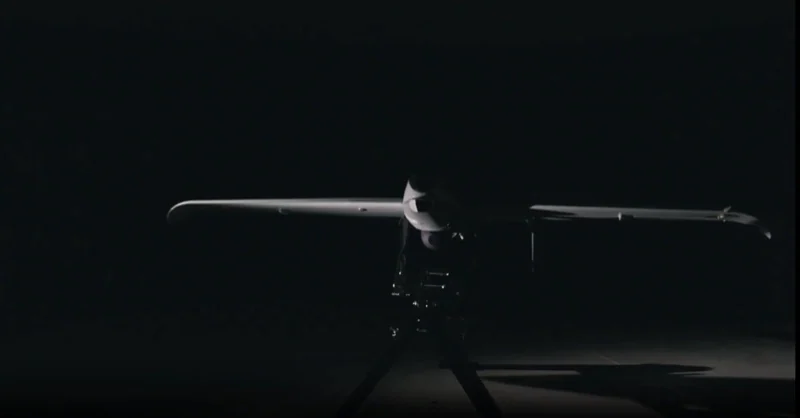

Threod Systems
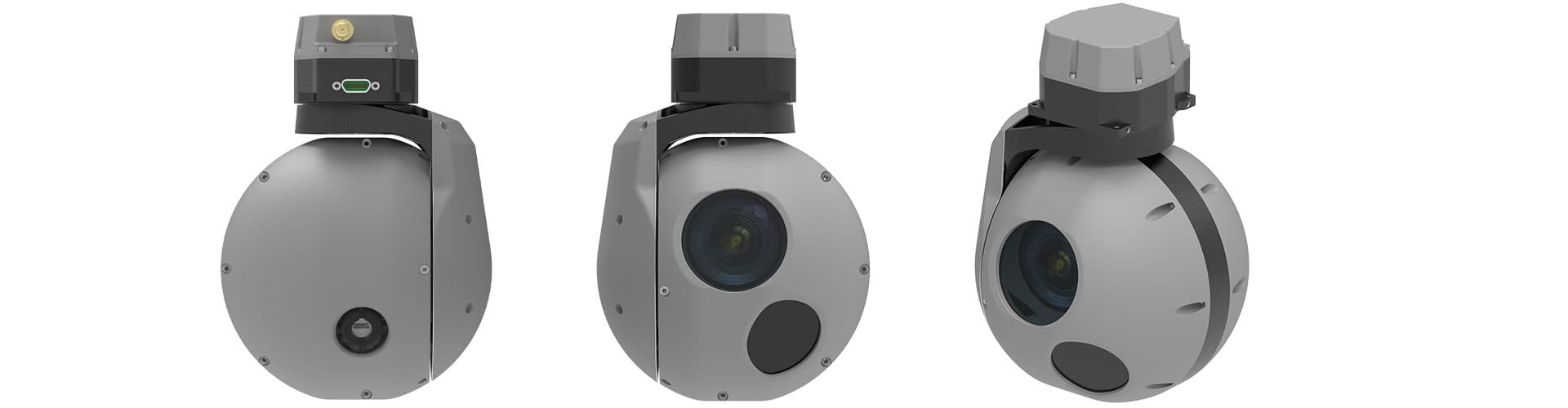
Develops and manufactures fixed-wing and VTOL surveillance drones, gyro-stabilized electro-optical payloads and pneumatic launcher systems for armed forces in 27 countries.

Develops unmanned ground and aerial systems for infantry operations.

Estonian robotics company developing advanced energy solutions and power systems for autonomous drones, uncrewed vehicles, and AI-driven sensor analytics.
Ukrainian-Estonian defence technology startup developing next-generation high-precision ammunition for drones and unmanned aerial vehicles, with GPS-independent targeting capabilities.

Builds the Accipiter drone interceptor and Neocortex, a software stack that gives UAV platforms visual navigation and terminal guidance when satellite navigation and radio links are jammed.

Estonian defence startup developing weapons systems for unmanned and autonomous platforms. Founded in 2025 and backed by Darkstar Ventures, with co-founder Lt Col Sten Allik bringing expertise in emerging military technologies from the Estonian Defence Forces.
Develops and operates High Altitude Platform Stations (HAPS), stratospheric drones at approximately 21km altitude that provide surveillance and connectivity services as a satellite alternative. ESA BIC Estonia alumnus and EDIA member.
Cybersecurity
Tallinn hosts NATO's Cooperative Cyber Defence Centre of Excellence, established in 2008 after Russia's cyberattacks on Estonian infrastructure the year before. The centre produced the Tallinn Manual, the foundational international legal framework for cyber conflict, and runs Locked Shields, the world's largest live-fire cyber exercise with 38 participating countries.
Cybernetica, established in 1997 as a successor to a Soviet-era research institute, built X-Road, the data exchange layer that handles a billion queries a year across Estonian government systems, and the i-Voting protocol used in Estonian elections since 2005. Cybernetica now leads 3 European Defence Fund projects, including SDMMS, a secure logistics system across 11 partner countries, and is writing Estonia's roadmap for post-quantum cryptography.
Guardtime's KSI blockchain secures Estonian health records and underpins the NATO Cyber Range through a framework contract with the Estonian Centre for Defence Investments. Lockheed Martin contracted Guardtime Federal twice, in 2017 and 2020, to integrate blockchain into supply chain risk management and software assurance. CybExer Technologies provides the cyber ranges for NATO exercises including Crossed Swords and Cyber Coalition, and recently won a 3-year contract to build Luxembourg's national defence cyber range.
Builds secure data exchange platforms, digital identity systems and maritime surveillance infrastructure for governments in 40+ countries, with roots in creating the technology behind e-Estonia.

Provides comprehensive cyber security training solutions to increase organizational cyber resilience through advanced cyber range technology. NATO-awarded Estonian company offers highly realistic live-fire exercises that simulate real-world cyber attacks.
Blockchain-based cybersecurity infrastructure securing military, government, and ESA space systems with keyless signature technology.
Hardware Security Modules and encryption technologies. Advanced cryptographic solutions for defence communications.
AI and defence software
SensusQ, founded by a veteran of 6 combat tours, builds the Winning Mind intelligence platform, which uses AI to fuse data from drones, sensors and cyber feeds into a single operational picture. It contributes to the British Army's Project ASGARD, a digital-targeting programme designed to help weapons hit their intended targets more reliably.
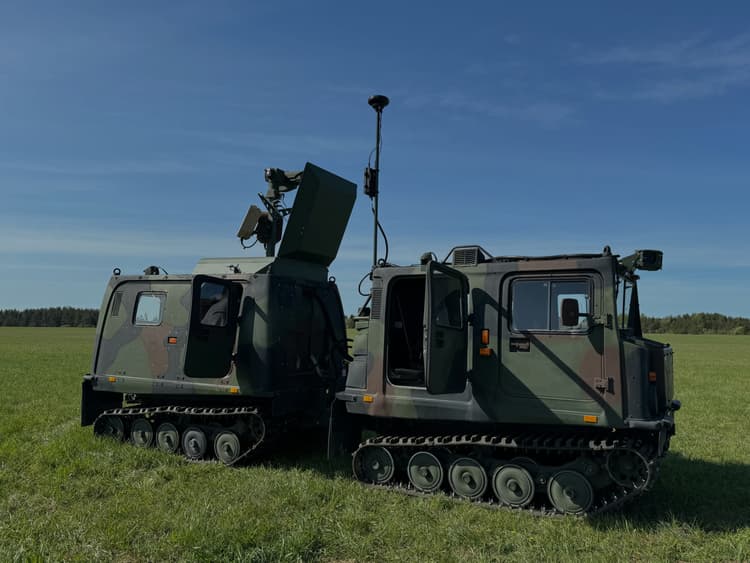
C2Grid, a TalTech spin-off that raised EUR 300,000 in pre-seed funding, turns drone footage into near-real-time 3D battlefield models and has tested the system with Ukrainian frontline units. Ark Robotics builds software that coordinates swarms of autonomous ground vehicles, letting a single operator manage multiple robots on logistics and reconnaissance missions.

Estonian unmanned ground vehicle developer building autonomous robotic platforms for military logistics, reconnaissance, and combat support.
C2Grid develops advanced deep-tech solutions that transform raw data into actionable knowledge for military operations. A spin-off from Tallinn University of Technology (TalTech), the company specializes in near real-time 3D reconstruction from drone/UAV footage, GNSS-free mapping technologies, and multi-spectral imagery processing. Working directly with Ukrainian military units, C2Grid combines top TalTech talent with seasoned defense professionals to improve military decision-making cycles through hyperrealistic 3D mapping and geospatial intelligence.

Defence AI startup providing artificial intelligence solutions for military applications and strategic defence systems.
Sensors and electronic warfare
Defendec makes wireless ground sensors small enough to hide in undergrowth. They detect movement and classify threats along borders, and have been deployed in more than 60 countries including Moldova, Ukraine, Albania and Tajikistan. The Canadian company VOSKER later acquired Defendec.
Rantelon, founded by a TalTech professor in 1995, makes RF drone detectors and jamming guns and recently supplied Lithuania's border guard in a EUR 1.5 million contract. HEVI Optronics, named Estonia's Defence Company of the Year in 2024, builds modular electro-optical camera systems under a 7-year, EUR 200 million framework agreement with the Estonian Defence Forces.
GScan, spun out by a team of CERN physicists, uses cosmic-ray muon tomography to see through 10 metres of concrete and steel. It scanned Soviet-era nuclear submarine reactors at Paldiski with 30 times the accuracy of previous methods.
On the counter-drone side, Marduk Technologies makes the Shark, a passive electro-optical system that detects mini-drones at up to 5 kilometres without emitting any signal. The company mounted it on Milrem's THeMIS to create an autonomous mobile air defence unit. Frankenburg Technologies has built what it calls the world's smallest guided missile, 60 centimetres long and under 2 kilograms, with a terminal speed over 1,000 km/h. After 53 live-fire tests, footage showed the Mark I intercepting a Shahed-type drone in January 2026. Frankenburg raised EUR 30 million in Series A and signed a naval launch platform deal with Babcock International.
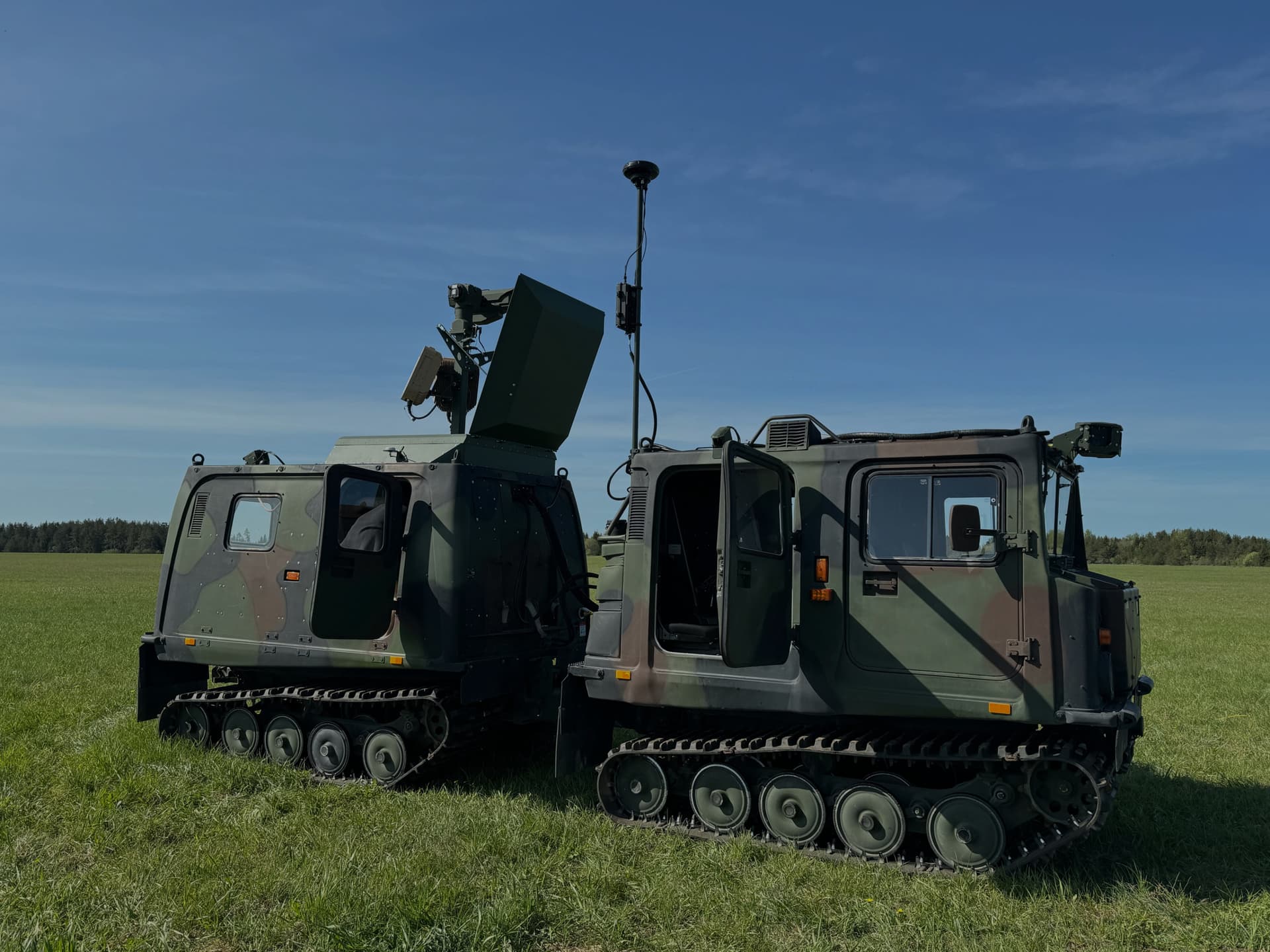
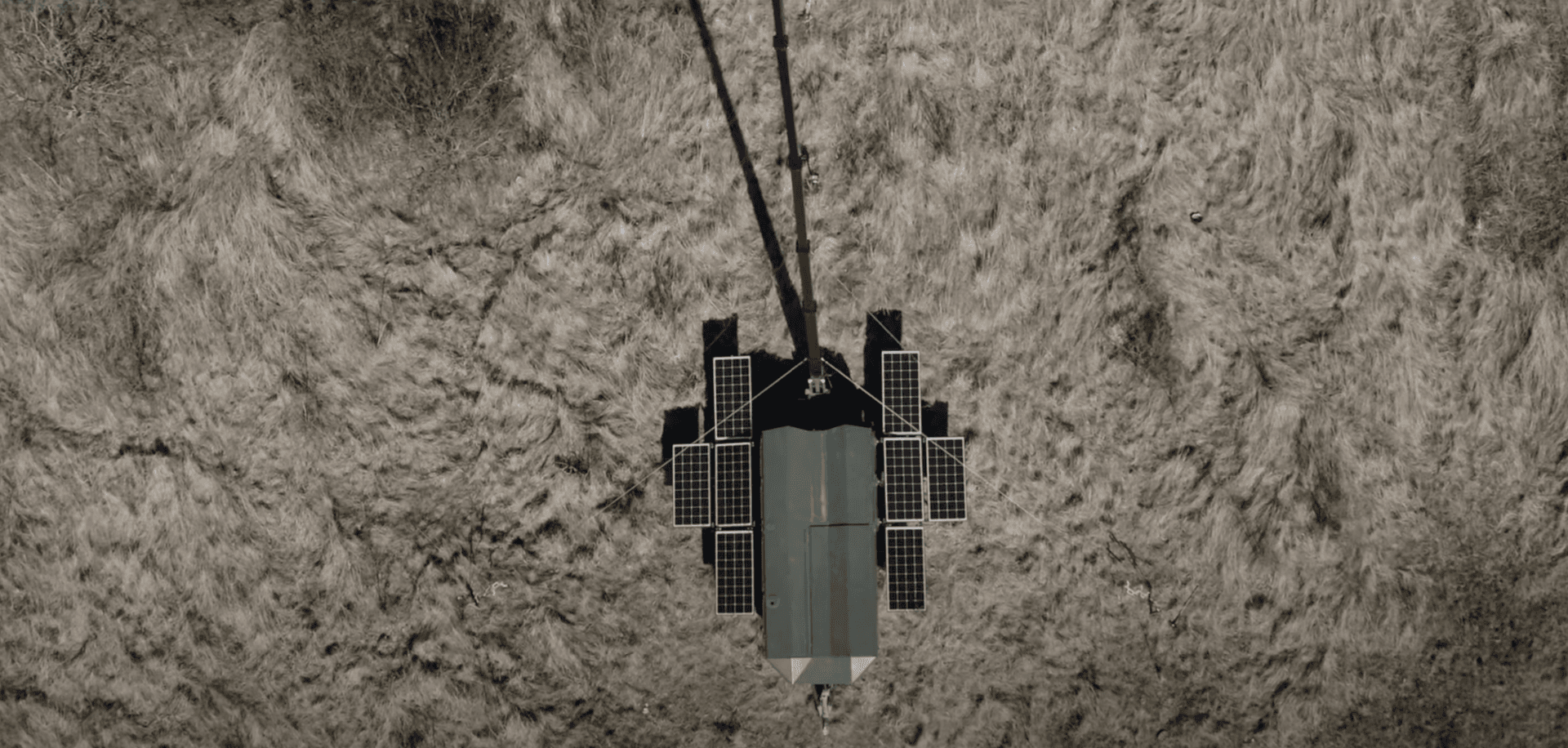
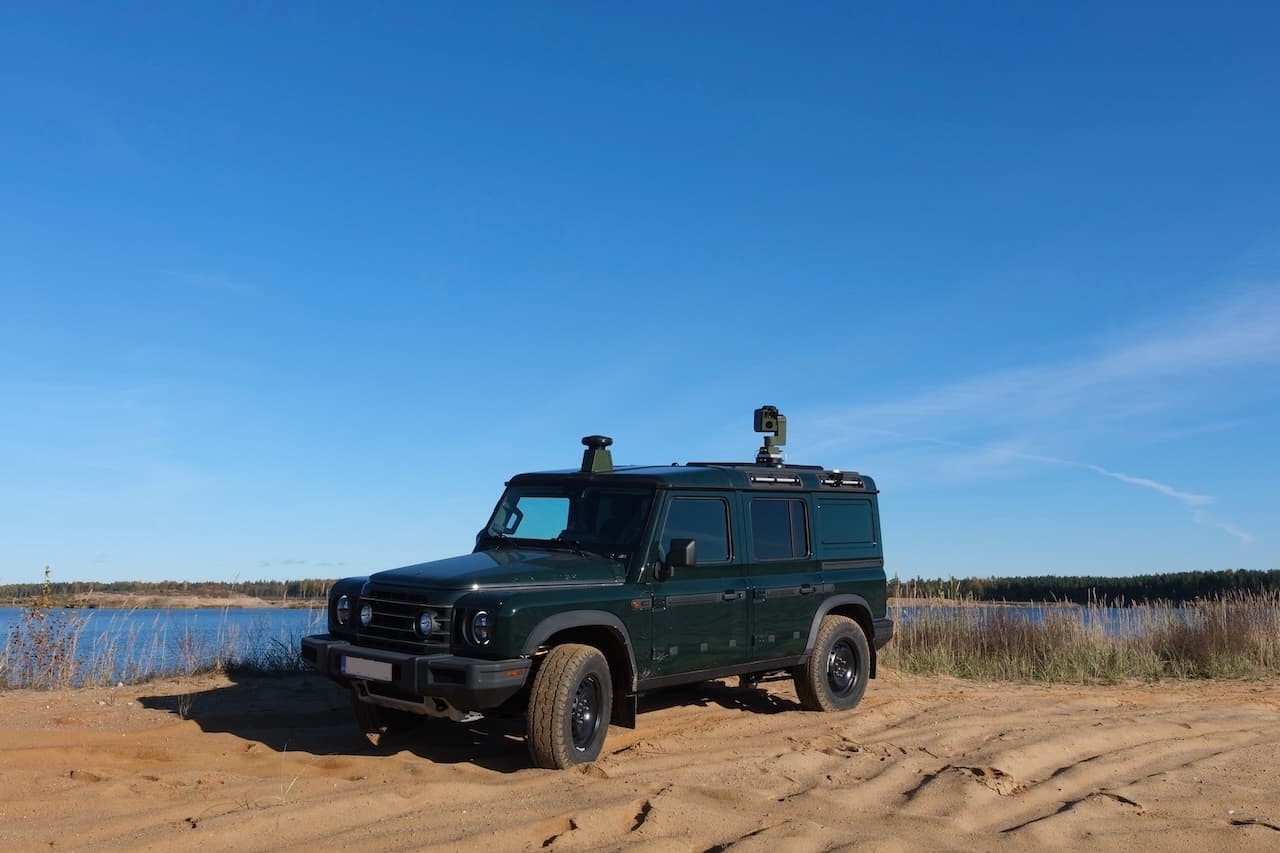
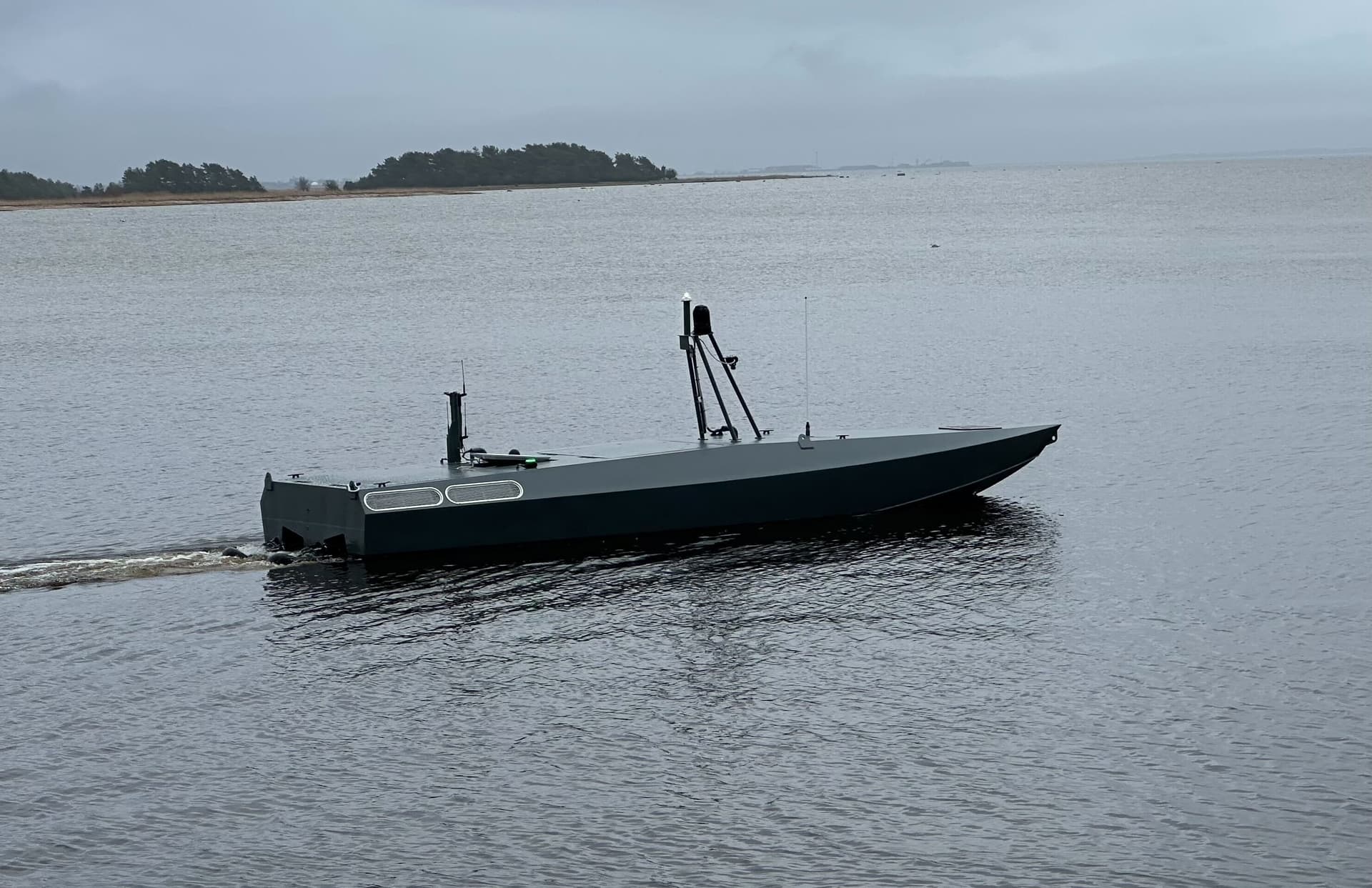
DefSecIntel Solutions
Builds autonomous surveillance platforms, counter-drone systems and unmanned surface vessels for border security and military force protection.
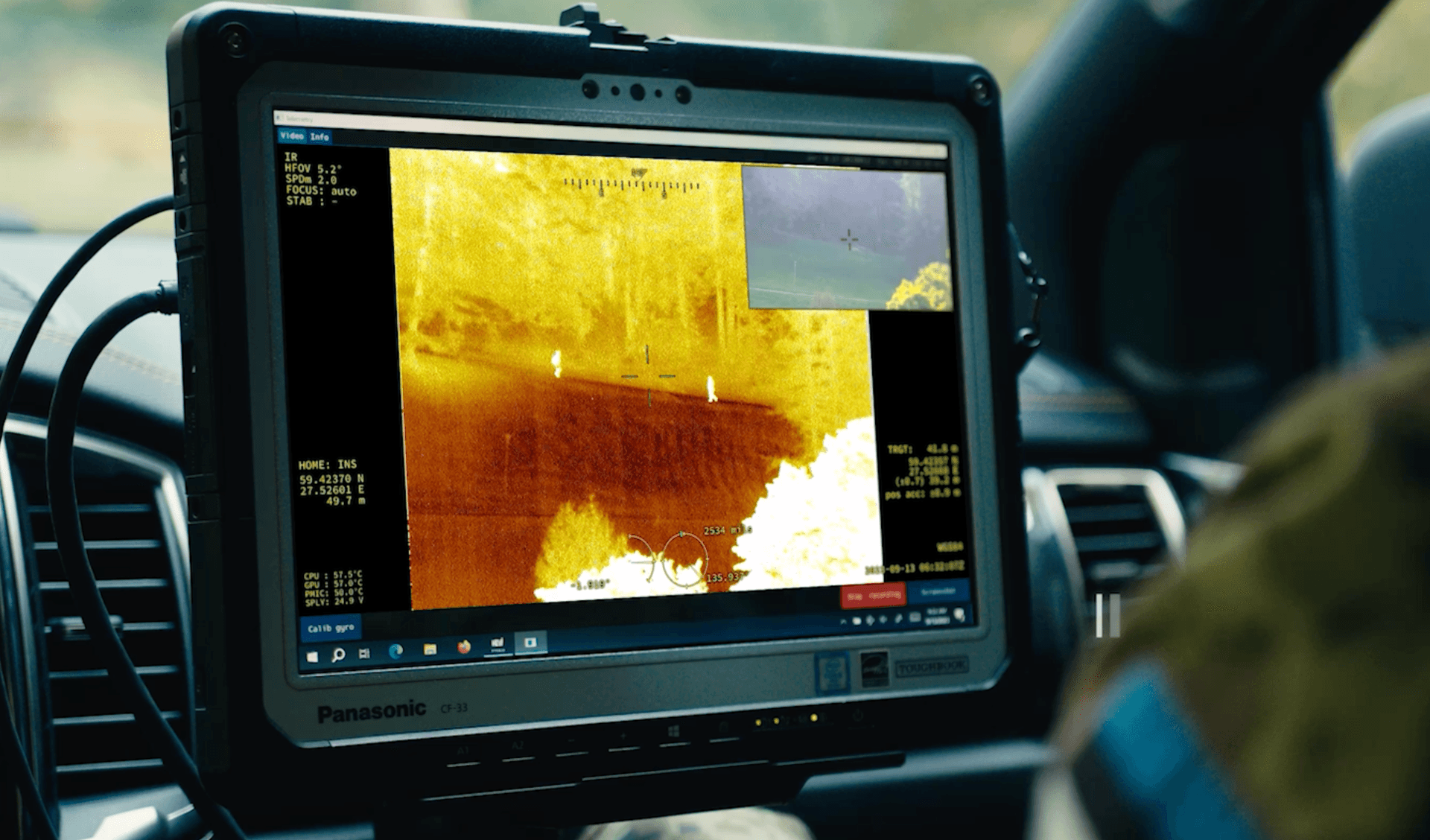

Frankenburg Technologies
Frankenburg Technologies builds affordable, mass-manufacturable guided interceptor missile systems and sovereign production capacity for modern air and missile defence.
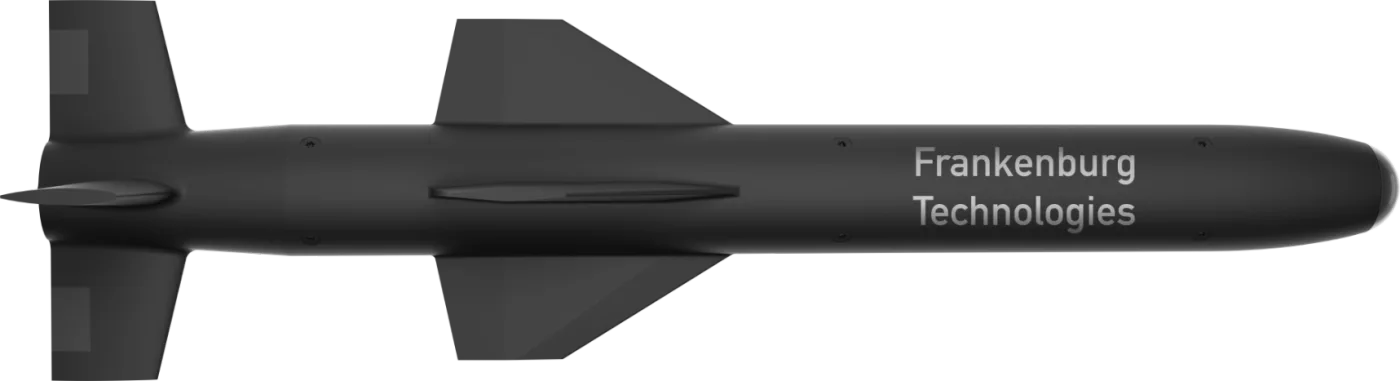

Wireless AI-powered perimeter surveillance sensors for border and military base protection. Deployed in 30 countries securing NATO and EU external borders. EUR14.7M annual revenue.
Estonian defence electronics company manufacturing intelligent electromechanical devices including blasting systems, drone initiators, and area protection sensors for military and mining applications.
Develops cosmic-ray based 3D imaging solutions using muon tomography technology for non-destructive testing and structural health monitoring of critical infrastructure.
Designs and develops precision-engineered electro-optical sensor systems for commercial and defence applications, providing stabilized surveillance and targeting platforms with modular system architecture.

Develops stabilised optical and infrared gimbals and laser guidance systems for drones.

Estonian defence tech company developing AI-powered situational awareness and battlefield management systems for NATO forces.

Designs and manufactures electronic systems including electronic warfare equipment, drone detection systems, and RF devices. Provides solutions for defence, security, and industrial sectors.

Developer of Mixed Reality Situational Awareness Systems providing 360-degree vision capabilities for armoured vehicle crews through camera systems and XR technology for enhanced battlefield awareness.
Naval and maritime
Estonia has 3,794 kilometres of coastline despite being roughly the size of the Netherlands. Baltic Workboats, based on the island of Saaremaa, has been building ships there since 1993. The shipyard has delivered over 200 vessels to more than 30 countries, including patrol boats for the Estonian Navy and pilot vessels for the Swedish Coast Guard. In January 2025, it won a EUR 110 million contract with Belgium's DAB Vloot for 80-metre pilot station vessels, diesel-electric hybrids rated for 4-metre North Sea waves.
MindChip, a TalTech spin-off, builds AI-based autonomous navigation for surface vessels. Estonia's Police and Border Guard Board plans to deploy an autonomous patrol boat on the Narva River and Lake Peipus, the eastern border with Russia. Stickleback Robotics, still in the pilot stage, is developing autonomous marine drones with 180kg payloads for round-the-clock coastal surveillance.
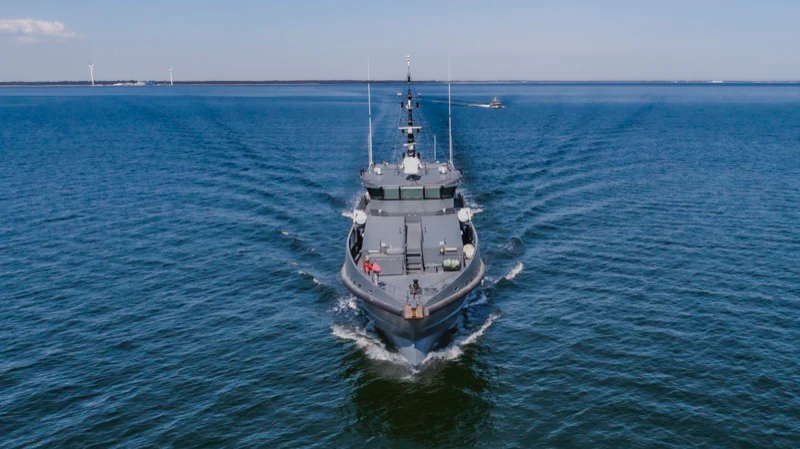
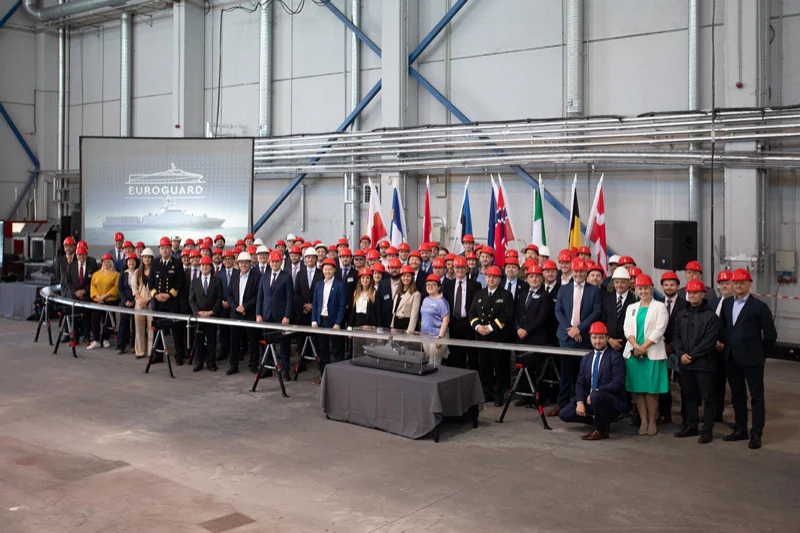
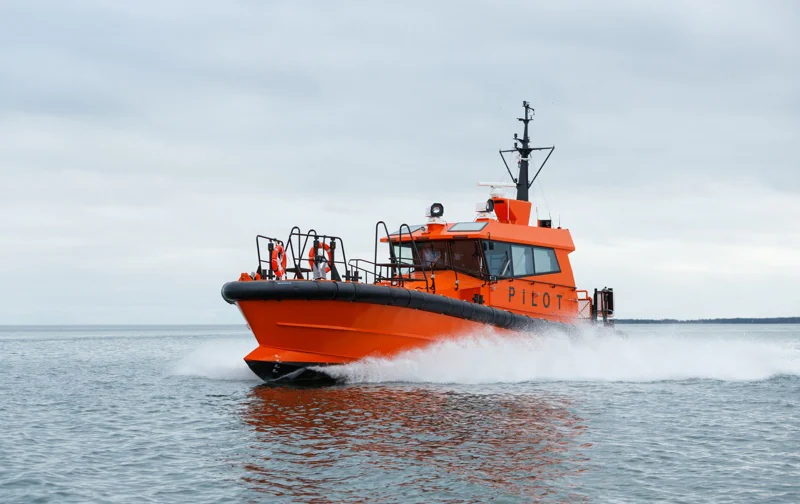

Swedish-Estonian modular workboat platform for defence, security and industry. Aluminium hull with rail-mounted modules that reconfigure in under ten minutes for border patrol, special operations, SAR and naval support.
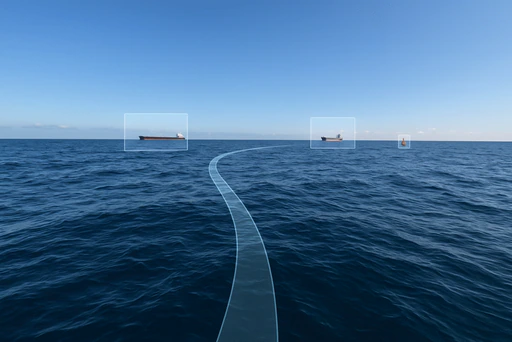
Estonian AI company developing autonomous vessel technology with real-time decision-making capabilities for maritime operations and defence applications.

Autonomous marine drones for maritime surveillance and defence. Morpheus and Neo platforms carry 180kg payloads, operate at sea state 4 with thermal and sonar sensors, and coordinate as swarms.
Space and satellites
Estonia joined ESA in 2015, 2 years after its first satellite, ESTCube-1 built by University of Tartu students, reached orbit. CrystalSpace has since delivered over 200 space-qualified cameras, including 4 that went to the Moon on the Artemis programme's SAMPLR robotic arm built by Maxar Technologies. KappaZeta, incubated at ESA's Estonian business centre, applies AI to synthetic aperture radar satellite data for defence surveillance. Radar works through cloud, smoke, fog and darkness, which makes it useful where optical cameras fail. Spaceit, co-founded by an ESTCube-1 team member, provides cloud-based mission control. It also leads a EUR 2.5 million ESA consortium building the world's first Space Cyber Range, a cybersecurity testing ground for satellite systems hosted at CR14 in Tallinn alongside CybExer Technologies and the University of Tartu.

Manufactures space-qualified cameras and edge AI vision systems for autonomous defence platforms, with 200+ cameras delivered across satellite, rover, and lunar missions.
Satellite SAR data analytics company using AI to deliver actionable intelligence for defence situational awareness and environmental monitoring.
Develops cloud-based satellite mission control software (MCSaaS) and operates a Space Cyber Range for space cybersecurity training. Spin-off of ESTCube-1, Estonia's first satellite mission. Prime contractor for ESA 4S Space Cyber Range and participant in NATO CCDCOE Locked Shields exercises.
Soldier systems and materials
Eesti Arsenal in Kadrina manufactures directional anti-tank mines, including the PK-14, which has been documented in Ukrainian hands since September 2022. Eli Military Solutions builds pneumatic drone launchers and training equipment exported to more than 30 countries, including mortar simulators and pop-up infantry targets.
PowerUP Energy Technologies makes hydrogen fuel cells that do not show up on thermal imaging, giving troops a tactical advantage over diesel generators. The company first crowdfunded fuel cell units for Ukrainian drone teams, then raised EUR 10 million in Series A. Teletactica, another Ukrainian-Estonian venture, makes jam-resistant tactical radios with 1–5 % packet loss under heavy electronic warfare. The radios were tested in combat through Ukraine's Brave1 programme and are now being adapted to NATO standards. Wayren builds a decentralised tactical communications platform that stays operational even when packet loss exceeds 85 %. The Estonian Defence League used it to digitalise indirect fires, cutting kill-chain time from 7 minutes to 2.5.
Develops AI-driven, modular CNC machines and robotic manufacturing solutions for defence and field operations. Produces compact, energy-efficient manufacturing systems for on-site parts production and repair without limits.
Develops and manufactures munitions including anti-tank mines, hand grenades, mortar ammunition and directional fragmentation charges. Framework contract partner for medium- and large-calibre ammunition supply to Estonia worth EUR 30M.
Estonian manufacturer of military training equipment and UAV pneumatic launchers, exporting to over 30 countries worldwide.

Provides lifecycle management, maintenance, repair and overhaul of armoured and combat vehicles including CV9035 infantry fighting vehicles and Patria XA-180 APCs for the Estonian and Latvian Defence Forces. ISO 9001 and AQAP 2110 certified.

Designs and manufactures hydrogen fuel cell generators for defence, telecommunications and critical infrastructure, with products battle-tested in active conflict zones and NATO exercises.

Builds jamming-resistant radio communication systems and video intelligence links for UAVs, robotic systems and other unmanned platforms used in contested electromagnetic environments.
Wayren develops advanced autonomous systems and robotics solutions for defense and security applications. The company focuses on creating innovative technologies that enhance operational capabilities in challenging environments.
Explore the ecosystem
Estonia is spending 5.4 % of GDP on defence through 2029, which amounts to EUR 10 billion from a country whose entire annual economic output is roughly EUR 40 billion. A 200-hectare defence industry park is under construction in Parnu County, with 4 companies, including Frankenburg, selected for production facilities that could open in 2027. SmartCap's EUR 100 million defence fund and Darkstar's willingness to back live munitions mean Estonian defence startups can now raise serious money without leaving the country. Explore all Estonian companies →
For the roles behind these companies, see the 30+ open defence jobs in Estonia, the drone and UAV roles and the defence AI and software roles.

Estonia
45 companies · 45 jobs
Industries
Ark Robotics
Tallinn, estonia
Cybernetica
Tallinn, estonia
DefSecIntel Solutions
Tallinn, estonia
Frankenburg Technologies
Tallinn, estonia
PowerUP Energy Technologies
Tallinn, estonia
Lendurai
Tallinn, estonia
Marduk Technologies
Tallinn, estonia
GScan
Tallinn, estonia
Rantelon
Tallinn, estonia
CrystalSpace
Tallinn, estonia
Milrem Robotics
Tallinn, estonia
Rollo Robotics
Viljandi, estonia
5.0 Robotics
Tallinn, estonia
ASAX Innovation
Viljandi, estonia

Baltic Workboats
Nasva, estonia
Black Forest Systems
Tallinn, estonia
C2Grid
Tallinn, estonia
CAFA Tech
Tallinn, estonia
CybExer Technologies
Tallinn, estonia
Defendec
Tallinn, estonia
Deftak
Tallinn, estonia
Eesti Arsenal
Kadrina, estonia
Eli Military Solutions
Tallinn, estonia
Englo
Tallinn, estonia
GoCraft
Tallinn, estonia
Guardtime
Tallinn, estonia
HEVI Optronics
Tallinn, estonia
KappaZeta
Tartu, estonia
KrattWorks
Tallinn, estonia
M-FLY
Tallinn, estonia
Milmech Systems
Viljandi, estonia
Milworks
Tallinn, estonia
Mindchip
Tallinn, estonia
SensusQ
Tallinn, estonia
Skudo
Tallinn, estonia
Skyeton
Tallinn, estonia
Spaceit
Tartu, estonia
Stickleback Robotics
Tallinn, estonia
Telearmy
Tallinn, estonia
Teletactica
Tallinn, estonia
Tempterno Defence
Tallinn, estonia
Threod Systems
Tartu, estonia
VAAL Airships
Saue, estonia
Vegvisir
Tallinn, estonia
Wayren
Tallinn, estonia