
Country report · September 2026
Defence companies in Denmark: the state of the industry (2026)
Denmark's defence industry is small for what the country now spends. Next to a handful of established manufacturers there is a younger group of small companies, most of them founded since 2018, and many are hiring.

Denmark has committed DKK 365 billion (about €49 billion) to defence between 2024 and 2033, but the industry that could build some of it is small. The Confederation of Danish Industry (DI) estimates the turnover of Danish defence companies at about DKK 12 billion (€1.6 billion) a year. A 2024 study for the Danish Business Authority counted more than 500 companies with some defence business, but only about 45 at the core, and those earn three quarters of their turnover abroad.
Most of the money spent so far has gone abroad. Danske Bank analysed 394 published defence contracts from November 2023 to April 2026 and found that Danish companies won 58% of them but only 19% of their value. “There is a clear tendency for Danish companies to get many of the smaller tasks, while the large materiel purchases typically go to foreign defence groups,” the bank's senior analyst Rune Thyge Johansen wrote (translated from Danish). The biggest foreign purchases of the period were European air defence systems, budgeted at DKK 58 billion including running costs, along with Swedish CV90 infantry fighting vehicles and 16 more American F-35 fighters.
The industry that does exist has 2 layers. The established layer is led by Terma and Systematic, which remain by far the largest employers, and most of the new companies have formed below them. The DefenceJobs atlas tracks more than 40 defence technology companies headquartered in Denmark, most of them in that second layer. Of those whose founding year we know, more than half started in 2018 or later, and 4 in 5 employ 50 people or fewer.
Sources: DI (turnover, 2026 estimate), Danske Bank (394 published contracts, November 2023 to April 2026), DefenceJobs atlas (September 2026, a checked sample rather than a full count).
The established companies are growing fast
Terma, based near Aarhus, is the largest. It reported revenue of DKK 3.4 billion (about €455 million) for its 2025/26 financial year, up 16% organically, has more than 2,400 staff and took on almost 600 people during the year. It makes radars, command-and-control systems (the software and hardware commanders use to see and direct their forces) and aircraft structures, including parts for the F-35. Terma has also started buying smaller companies, including the British counter-drone integrator OSL Technology in 2025 and the Danish encryption company Dencrypt, in an agreement announced in August 2026. Systematic, the Aarhus software house, reported revenue of €299.6 million for 2024/25 and grew its staff from 1,172 to 1,283. NATO chose its SitaWare software in 2024 for planning land operations.
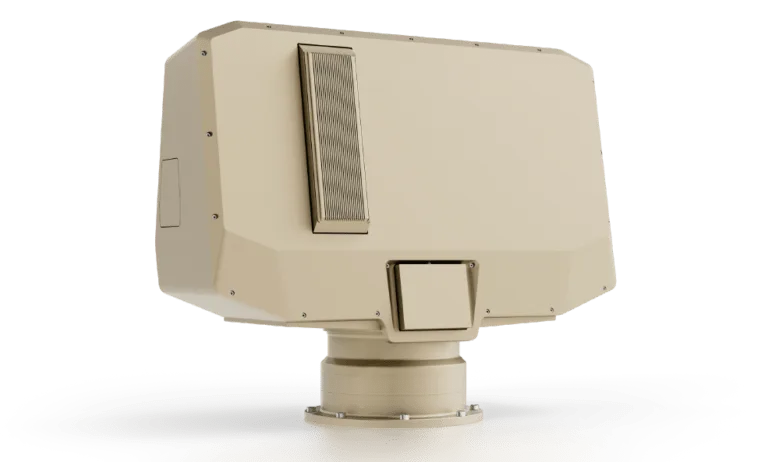
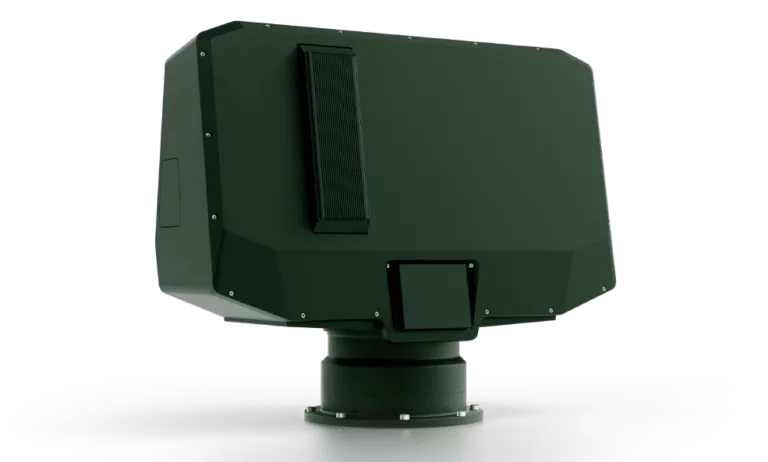
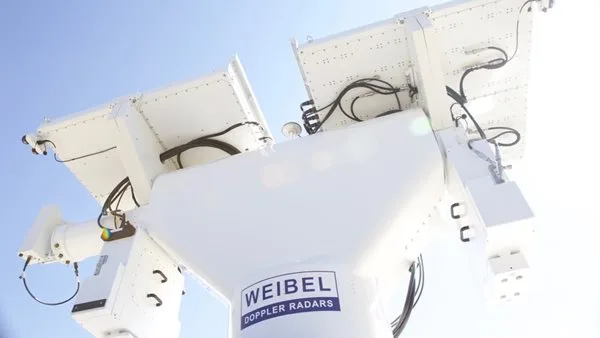
Weibel Scientific in Allerød, north of Copenhagen, makes Doppler radars for air defence, drone detection and space tracking. Its revenue passed DKK 900 million for the first time in the year to April 2026, and its staff rose from 460 to 609. FMI, the defence ministry's procurement agency, has ordered its radars twice since December 2025, and those bought for army air defence will feed Terma's command systems. In August 2026 Terma also agreed with the counter-drone maker MyDefence to combine its radar with MyDefence's radio sensors and jammers.
Below these sit a few mid-sized manufacturers, several of them foreign-owned. Hydrema in Støvring, which makes mine-clearing vehicles and assembles and services military vehicles for other manufacturers, had revenue of DKK 1.38 billion and 524 staff in 2025, though defence is only part of its business. INVISIO's Danish company in Hvidovre, owned by the Swedish group of the same name, makes soldier headsets and hearing protection and grew revenue by 25% to DKK 944 million in 2025, with 182 staff. Saab Danmark in Sønderborg, which builds tactical communication systems, went from 237 to 322 employees in 2025. By the end of 2022, Danish companies had won F-35 orders worth just over $1 billion, according to the 2024 study.
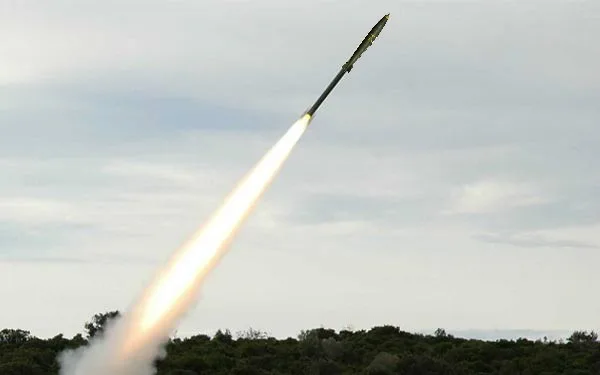
Shipbuilding and ammunition production are being rebuilt with state orders and state money. The navy's new ships for cleaning up pollution at sea and laying mines were ordered in early 2026 from a consortium led by Karstensens Skibsværft of Skagen and are due in service around 2029. Its 5 new ships for Greenland and Arctic waters are further behind. The state has paid DKK 490 million since 2023 to the Danske Flådeskibe consortium, which includes Terma, but in August 2026 there was still no build contract. At Elling, near Frederikshavn, the Nordic ammunition group Nammo is restarting a plant that closed in 2020, to make 155 mm and 120 mm shells and rifle cartridges from the second half of 2027. The Danish state holds 15% of Nammo Denmark, in an industry the 2024 study had described as entirely privately owned. A private company, SkyPro Propulsion, has state permission for Denmark's first production line for artillery rockets at a former NATO depot in Vandel and plans about 110 hires. “We must be able to produce at least 10,000 rockets a year,” its chief executive Michael Kjær Sørensen told the public broadcaster DR (translated from Danish).
The startups are young and still small
The companies in the DefenceJobs atlas look different from the established core. Among those founded before 2018, most work on radar, sensors, satellites or encryption. Among those founded since, drones are the largest group, about a third, and a handful of small ammunition and rocket makers have appeared since 2020. None of the companies we list that were founded in 2018 or later is known to employ more than 50 people.
Many of them come out of the Technical University of Denmark (DTU), north of Copenhagen. Triton Depth was started by DTU students in 2025 and puts listening sensors on the seabed to protect cables and pipelines. By September 2026 it had run more than 25 sea tests and presented the system to the navies of Denmark, Sweden and Ukraine. Celare Quantum Communications and Alea Quantum Technologies, 2 DTU spin-outs that share a chief executive, build quantum encryption hardware, and the Ministry of Defence has installed Celare's quantum key distribution systems, which send encryption keys in a way that exposes any eavesdropper. UMag Solutions, which finds mines with drone-mounted magnetometers, and Dencrypt also grew out of DTU research.
Odense is the other hub. Its robotics cluster, Odense Robotics, runs APUS with the defence industry network CenSec, a DKK 17 million programme that helps small Danish drone and unmanned-systems companies develop products for Ukraine and other military users. The city is home to OODALOOP Technologies, Bionic System Solutions, Quadsat and Dropla Tech, which was founded in 2023 by 4 Ukrainians and does its engineering in Ukraine. Others have moved across from civilian work. Quadsat began by testing satellite antennas with drones before it built electronic warfare payloads, and UPTEKO also markets its drones to police, fire services and wind farm operators.
The ones that have grown large are older, and most got there with outside money or foreign customers. UXV Technologies in Ishøj, founded in 2014, makes ground control stations, the consoles operators use to fly military drones, and has almost 150 staff in Denmark, according to the business register. MyDefence, a counter-drone maker founded in 2013 in Nørresundby, across the fjord from Aalborg, has been majority-owned by the private equity firm Bridgepoint since 2024. It reported a 2025 net profit of DKK 125.4 million and says its staff grew from 52 at the start of 2025 to 135 in May 2026. Sky-Watch in Støvring, founded in 2009 and maker of the hand-launched RQ-35 Heidrun reconnaissance drone, was bought in 2022 by the US-based AIRO Group, and the Netherlands chose the RQ-35 in an open competition in June 2026. GomSpace in Aalborg, founded in 2007, is listed in Stockholm, and its neighbour Space Inventor, which built the BIFROST surveillance satellite that Danish and Swedish defence paid for, says it has more than 100 staff.
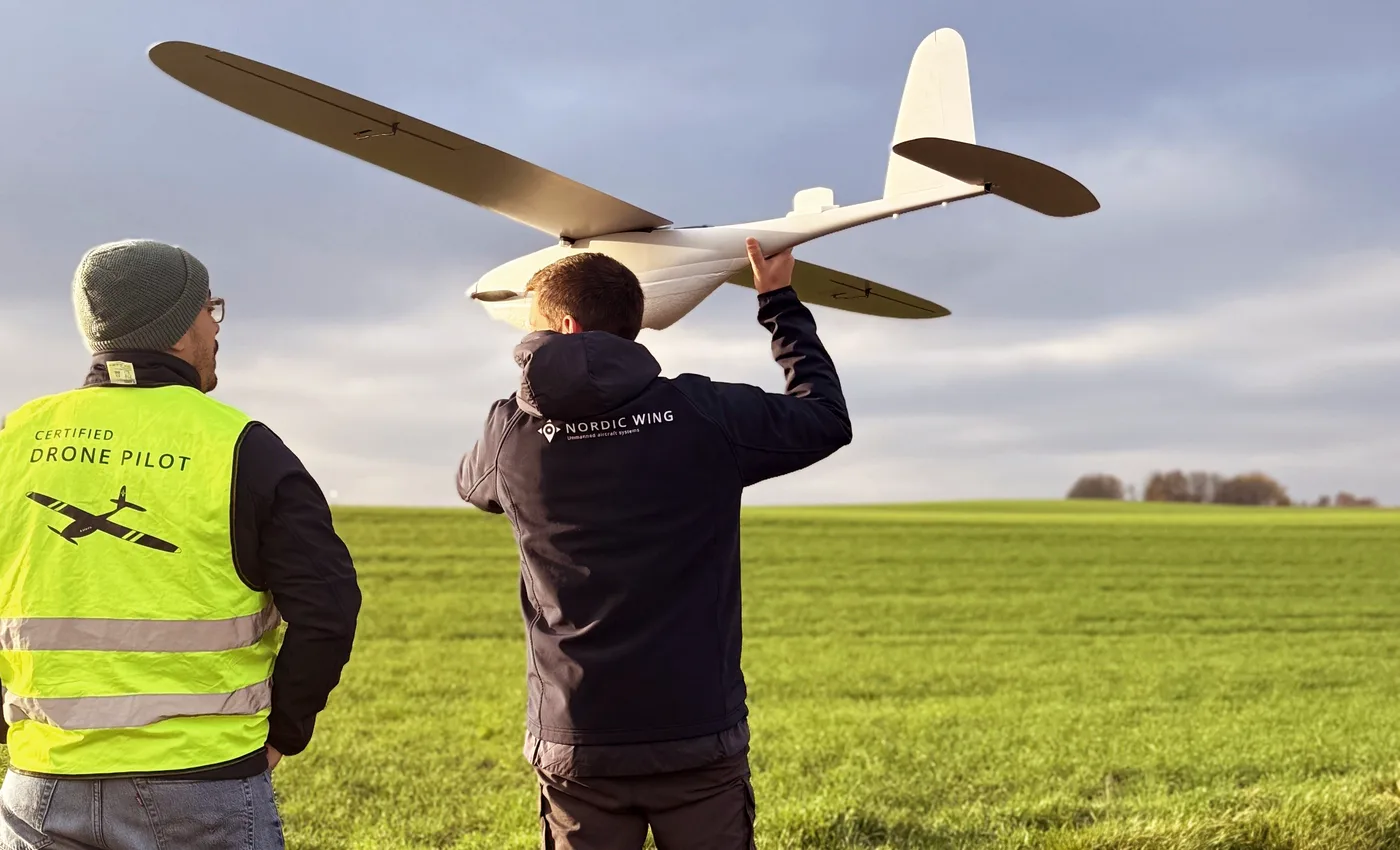
Of the younger companies, the drone makers are furthest along. In August 2026 Nordic Wing, founded in 2018 at the old Værløse air base, signed a SEK 350 million (roughly €30 million) contract with Sweden's procurement agency FMV for its Astero reconnaissance drone and Raptor 2 loitering munition, a drone that circles over a target before diving onto it. The Swedish broadcaster SVT called it the country's first purchase of attack drones.Renegade UxS in Holte, north of Copenhagen, registered in 2024 and with about 20 staff, has delivered about 10,000 of its Nightmare FPV drones (small drones flown through a live video feed) to Ukraine's defence ministry, its founder told Janes in February 2026. Others aim at heavier loads or lower prices, from Hecto Drone's petrol-electric multirotors to OODALOOP's expendable strike and interceptor drones. “Many price their solutions at around €100,000, and that's not something everyone needs,” OODALOOP's co-founder Christian Møller told Odense Robotics. In counter-drone work, Nordic Radar Solutions in Egå is the only Danish company in E-CUAS, an EU-funded counter-drone project, and in July 2026 a consortium led by Bionic System Solutions, with MyDefence as a partner, won a place as 1 of 5 suppliers on a NATO counter-drone framework, a standing contract that member countries can order from.
A support system for these companies has formed since 2025. Defence Tech Denmark, the national defence accelerator, was launched in April 2025 with up to DKK 200 million from EIFO, the state export and investment fund, the Danish Industry Foundation and Innovation Fund Denmark, and is run by DTU Science Park and the Danish Technological Institute. It took 27 companies, 13 startups and 14 established small firms, from more than 150 applicants into its first round in January 2026. Each startup can receive about DKK 1 million in early funding and the chance to test with FMI, and the programme aims to take 72 companies through in 3 years. More than 10 of its first round appear in this report. “Denmark does not lack ideas or technology. What we lack is speed, coherence and a professional pathway from development to application,” its director at the time, Jimmy Binderup Andersen, said when the first round started.
Innovation Fund Denmark is putting at least DKK 585 million into up to 4 defence research centres from 2026 to 2029 and at least DKK 105 million into a defence technology call with decisions expected in December 2026. NATO's DIANA accelerator picked Robotto, an Aalborg company whose software steers drones without satellite positioning, for its 2026 cohort of 150 companies from 3,680 applicants. FMI also holds open days where companies can meet its industry office and the Danish Defence Innovation Unit.
Where the money comes from
The main way money from foreign contracts reaches Danish firms is industrial cooperation, the Danish rules that let the state require a foreign supplier on a contract above DKK 50 million to place 25% to 100% of its value with Danish industry. Outstanding obligations rose from DKK 11.1 billion in December 2025 to more than DKK 30 billion (about €4 billion) by August 2026, and DI estimates the air defence purchase alone could add DKK 35 to 40 billion. The figures overstate the orders, because suppliers can count some contributions several times over, up to 7 times for technology transfer. The work has also stayed with a few firms, and in 2021 just 25 companies handled 97% of it. DI now proposes extra credit when foreign suppliers use small companies, and some foreign groups are already approaching them. At the procurement agency's annual industry fair in Herning in August 2026, the British defence group Babcock signed letters of intent with Danish startups including STORMBORN, which builds uncrewed boats.
The government that took office in June 2026 wants defence equipment bought to a greater extent from Danish and European companies, but it has not yet published its promised defence industrial strategy, which would be the first since 2021.
Selling directly to the armed forces is slow. DI says it can take 5 to 10 years from first contact to a contract, and Nordic Wing spent more than 4 years in talks and unpaid tests before it became a supplier in 2025. Its chief executive, Pernille Aagaard, still called the process fair. “Just because you are a Danish company with a good product, I don't think you automatically have the right to become a supplier,” she told the business association Dansk Erhverv's magazine (translated from Danish). FMI has added quicker routes, including short test purchases of drones, an online form for proposing ready-made equipment and a DKK 4.3 billion fund for buying finished equipment from industry to give to Ukraine.
Venture investment in Danish defence companies is small. A Dealroom and Danske Bank report in November 2025 put venture investment in defence and dual-use technology (technology with both civilian and military uses) in Denmark at USD 18 per person since 2019, against USD 162 in Finland. The rounds we could confirm for Danish defence startups in 2025 and 2026 ranged from about €0.7 million to €5 million, such as Acodyne's €2.5 million for its cargo drones in June 2026. EIFO appears in most of them and aims to reach DKK 3 billion of defence and security commitments by 2030. The biggest ownership changes have been takeovers rather than venture rounds. Bridgepoint, which took control of MyDefence in 2024, agreed in July 2026 to buy a majority of UMag Solutions, a Birkerød company that finds mines with drone-mounted magnetometers. In September 2026 2 small Danish defence venture funds, Final Frontier and Myriad, merged and are raising a new fund with a target of €100 million.
Ukrainian arms makers are building in Denmark
Denmark's support for Ukraine has brought Ukrainian manufacturing into the country. In 2024 Denmark became the first country to pay for weapons made by Ukrainian companies for Ukraine's forces, with the orders placed through the Ukrainian state, and the defence ministry says Denmark, the EU and allies had put more than DKK 17 billion through this “Danish model” in 2 years. Fire Point, which says it supplied drones under the scheme, is now building a plant at Vojens in southern Jutland, next to the Skrydstrup air base, to make solid rocket fuel and motor components for its missiles. Parliament passed a law in September 2025 letting the project set aside more than 20 Danish rules, but safety requirements still forced a new building with extra-thick walls. Production, first promised before the end of 2025, is now expected at the end of 2027, and the company says the budget has tripled to about €150 million. Fire Point plans 300 to 400 jobs, with its engineering and final assembly staying in Ukraine.
The government treats these plants as reserve capacity for Denmark. “Their primary destination is of course Ukraine, but if we really find ourselves in a crisis, we too will be able to get products for our own defence out of Ukrainian factories,” Nikolaj Kihl, who heads FMI's new office for defence industrial mobilisation, told the armed forces' magazine Honnør (translated from Danish). More than 300 residents came to a public meeting in Vojens in September 2025, worried about hazardous transport, groundwater and the risk of attack, and the security service PET warned of espionage and sabotage threats against the company.
A second wave is organised as Danish-owned joint ventures. Vidar Industries plans 12 Danish companies producing licensed Ukrainian drones and ground robots, and UPTEKO signed a memorandum of understanding (a non-binding agreement) with Ukraine's TAF Industries in August 2026 to build FPV drones in Denmark from early 2027. None of these is producing yet, and money also flows the other way. GomSpace agreed in April 2026 to set up a satellite joint venture in Ukraine, Robotto is investing in electronic warfare production there, and EIFO will guarantee 70% of a Danish company's defence investment in Ukraine, although only 3 companies had used the scheme by February 2026.
Work permits and security clearance
Citizens of the EU, the EEA (the EU plus Norway, Iceland and Liechtenstein) and Switzerland can work in Denmark without a permit and register for an EU residence document if they stay more than 3 months. Nordic citizens only register with the civil registry. British citizens moving now are not covered and need a permit like other non-EU nationals. The usual route for non-EU engineers is the Pay Limit Scheme, which requires a salary of at least DKK 552,000 (about €74,000) a year for applications from 1 January 2026, according to SIRI, the Danish agency for international recruitment. Jobs on the Positive Lists, which from 1 July 2026 cover 164 graduate job titles (including electronics, mechanical and software engineers) and 63 skilled trades, have no fixed salary threshold, though pay must match normal Danish levels.
Security clearance is a separate process that the individual cannot apply for. For companies supplying the Ministry of Defence, the employer's security officer nominates the employee and the Danish Defence Intelligence Service (FE) decides. Foreign citizens are not excluded as such. If the person has lived in Denmark for less than 5 years, FE can ask the security authority in their home country to carry out or confirm the clearance. But FE's guidance for companies sets firm limits. Only nationals of NATO countries can be cleared for NATO-classified information, and a clearance normally requires the past 7 years to have been spent in Denmark or in NATO or EU countries. Not every role involves classified information, and adverts that need clearance usually say so.
Most open roles are in production and testing
Of the more than 40 open roles at Danish defence companies in Denmark on DefenceJobs, fewer than 1 in 10 are software jobs. The rest are for production and operations staff, hardware and test engineers, technicians, quality inspectors, purchasers and business developers. Weibel wants test engineers and electronics technicians in Allerød, Nordic Wing composite and assembly workers at Værløse, Sky-Watch quality and purchasing staff in Støvring, and GomSpace and Space Inventor spacecraft engineers in Aalborg. Several adverts, especially for production roles, are written in Danish.
The companies cluster in 4 areas. About half of the companies we list are in and around Copenhagen, including most of the encryption and quantum firms. North Jutland has the Aalborg satellite makers, MyDefence and Sky-Watch. The Aarhus area has Terma, Systematic and Chora, and Odense's robotics cluster is home to Bionic System Solutions and OODALOOP. See the open defence jobs in Denmark and the Danish drone roles.
Much of the new production capacity is still being planned, and the next 15 months will show how much of it is built. Sky-Watch plans full-scale production of its larger RQ-70 drone from January 2027, UPTEKO and TAF Industries plan to start building drones together early that year, and Nammo's plant at Elling and Fire Point's at Vojens are due to start production by the end of 2027. Defence Tech Denmark's second application round closes on 1 October 2026. The new factories will mostly need production staff and technicians, the same kinds of roles that already make up most of the open jobs. Explore all Danish companies →
Company directory
The Danish defence technology companies on DefenceJobs, grouped by what they build, with their open roles. Established groups such as Terma and Systematic are covered in the report above.
Drones and autonomy

Nordic Wing
Værløse maker of fixed-wing military drones, including the ASTERO reconnaissance drone and the RAPTOR loitering munition, which Sweden ordered as a combined system in August 2026.


Sky-Watch
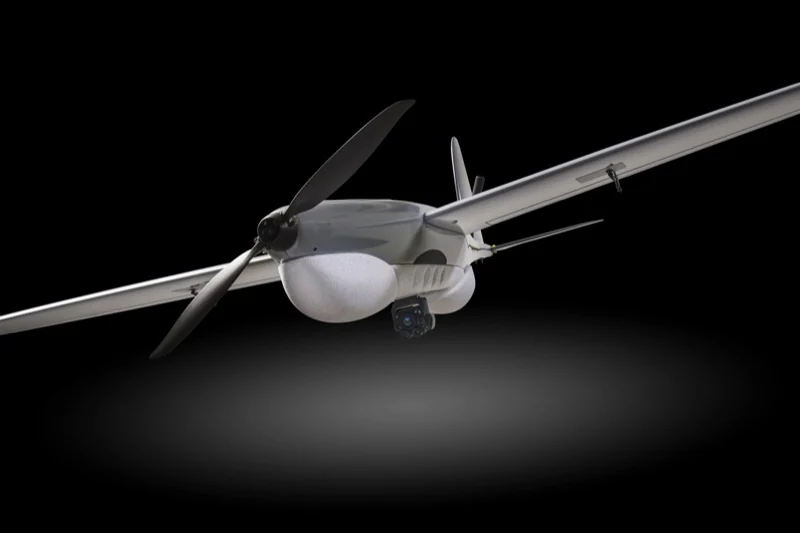
Støvring maker of the hand-launched RQ-35 Heidrun and longer-range RQ-70 Dainn fixed-wing ISR drones, with EO/IR payloads and mission software. Part of the US-based AIRO Group.

Builds AI-powered fixed-wing military drones from a Danish HQ in Ry, including the Strike OWA loitering munition with 100 km range, the Decoy swarmable radar-signature emulator, and the Target counter-UAS training drone.
Danish unmanned eVTOL cargo aircraft developer building heavy-lift drones for offshore logistics and frontline resupply. The E200 carries 200 kg at 450 km/h using a proprietary ducted-fan system, with a 100-500 kg payload family powered by the eThor AI flight suite.

Danish-Ukrainian company developing AI-based UXO and landmine detection for drones and ground robots, including the Blue Eyes detection module and the Seer demining system. Headquartered in Odense with R&D in Ukraine.

Develops autonomous heavy-lift VTOL drones for military resupply in contested areas, navigating without GPS through optical flow and terrain matching and linked by radio, LTE and satellite. Founded in 2025 and selected for the first Defence Tech Denmark accelerator cohort.

Danish manufacturer of hybrid gas-electric VTOL drones built for defence and industrial missions. The HD-606 carries a 50 kg payload for 30 minutes or 25 kg for more than 3 hours and is SORA-compliant for EU specific category operations.

Kongens Lyngby company that builds PISAPS, a payload integration computer for legacy aircraft and helicopters, and MAILMAN, a 1 kg guided payload carrier for drones. Formed a strategic alliance with Boeing subsidiary Insitu in 2021 on unmanned aircraft for Danish Defence.

Designs and manufactures tactical drones and unmanned systems for defence and security applications. Specializes in advanced UAV platforms for military and surveillance operations.

Drone maker building low-cost expendable FPV and fixed-wing strike drones, interceptor drones for counter-UAS and target drones for training, all flown from one ground control station. Founded in 2025 with teams in Odense and Aarhus, it holds NATO NCAGE code R01D0.
Holte company building the Nightmare FPV strike drone with AI terminal guidance for GNSS-denied operations, plus the Sandman ground control station and the MUNIN fixed-wing UAS. Its founder says it has delivered about 10,000 Nightmare drones to Ukraine, and it is on the US BLUE UAS list.

Aalborg-based AI software company building edge-level perception, detection and tracking for drones and ground robots, including GNSS-denied autonomous navigation used by defence and security operators.

Danish maker of the LARK, SWIFT and WREN drone systems and tactical drones for defence, police, fire services and offshore wind, based in Skanderborg.
Ishøj company making SRoC ruggedised ground control stations, swappable radio modules and Optroxa gimbal cameras for military drones and ground robots. Founded in 2014 and headquartered in Denmark and the United States.
Counter-drone, radar and sensors
MyDefence
Nørresundby maker of counter-drone systems for detecting, tracking and jamming drones, from wearable detectors and jammers for soldiers to fixed systems for bases, produced in Denmark and the US.
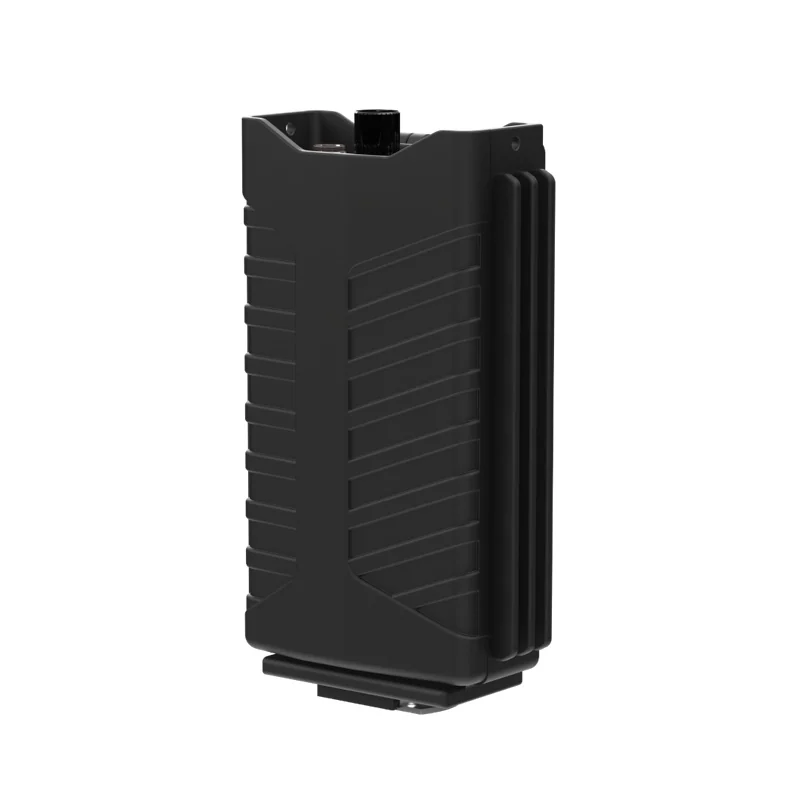

Quadsat
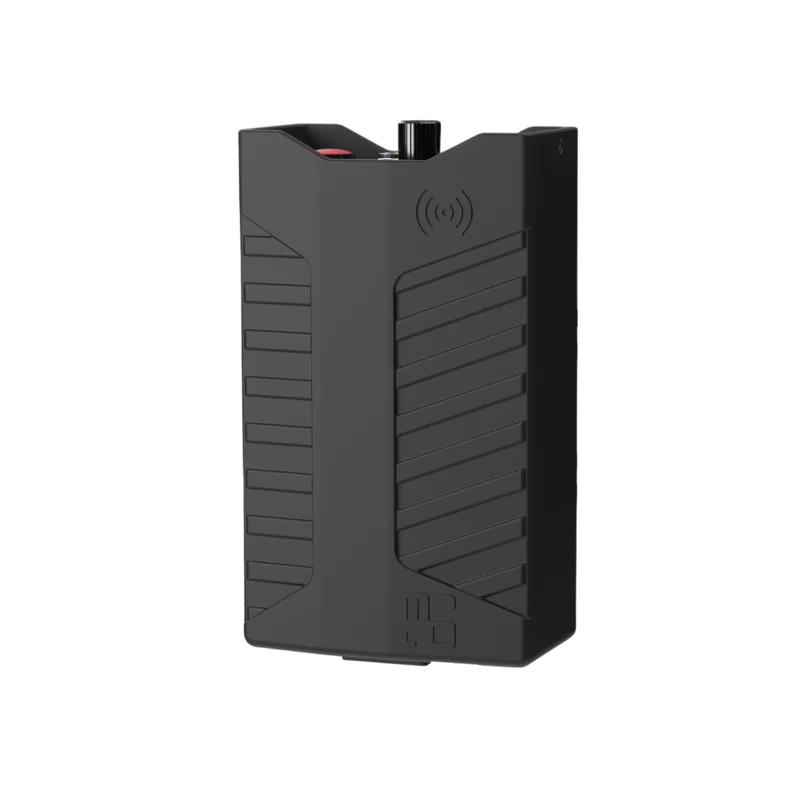
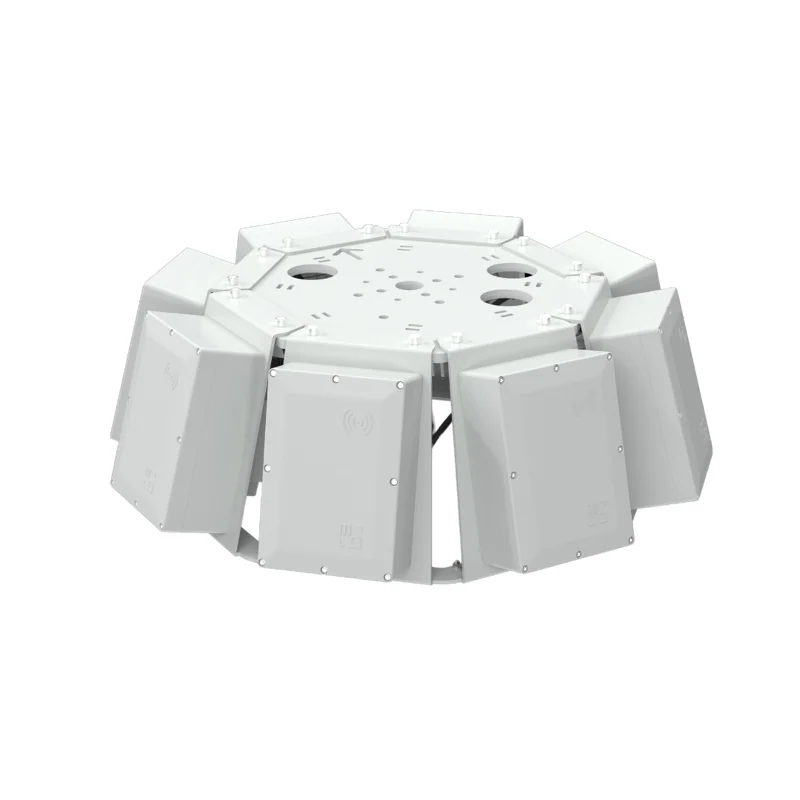
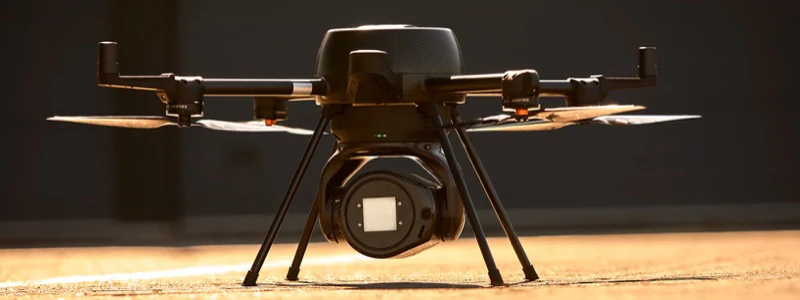
Odense company that builds RF sensing and electronic warfare payloads for drones, covering signal detection and emitter geolocation, building on its origins in drone-based satellite antenna testing.

Weibel Scientific
Danish radar specialist building Doppler radars for defence, drone detection, ballistic missile defence, SHORAD, space tracking and military instrumentation applications.

University of Southern Denmark spin-out building passive acoustic sensors that detect drones and incoming rockets, artillery and mortars. Its BSS Komodo sensor is deployed in Ukraine, and NSPA selected a BSS-led consortium for its tactical C-UAS framework in August 2026.

Develops electronic warfare and tactical situational-awareness systems that analyse the electromagnetic spectrum for defence and security forces, with its head office near Aarhus and offices in Aalborg and Munich.

Privately held Danish electro-optics manufacturer founded in 2001. Builds rugged multi-spectral cameras for remote weapon stations, close-in weapon systems, fire control and counter-UAS, with Thales among its customers.

Danish Ka-band radar manufacturer specialising in weapon scoring, fragmentation analysis and counter-UAS. Builds the ABISS battlefield scoring system and the WFMS warhead fragmentation measurement system, and contributes to the E-CUAS counter-drone project.

Copenhagen startup building wide-area 10K perception sensors, edge compute and an AI software framework for drone ISR. Raised a EUR 2M pre-seed round in April 2026 co-led by Balnord and FORWARD.one.
Builds an electrically driven rotary shotgun that shoots down FPV drones and loitering munitions at close range.
Birkerød company building drone-mounted magnetometer systems that detect landmines, naval mines, unexploded ordnance and submarines, including the V2Mag and the FastMag open-water payload.
Space
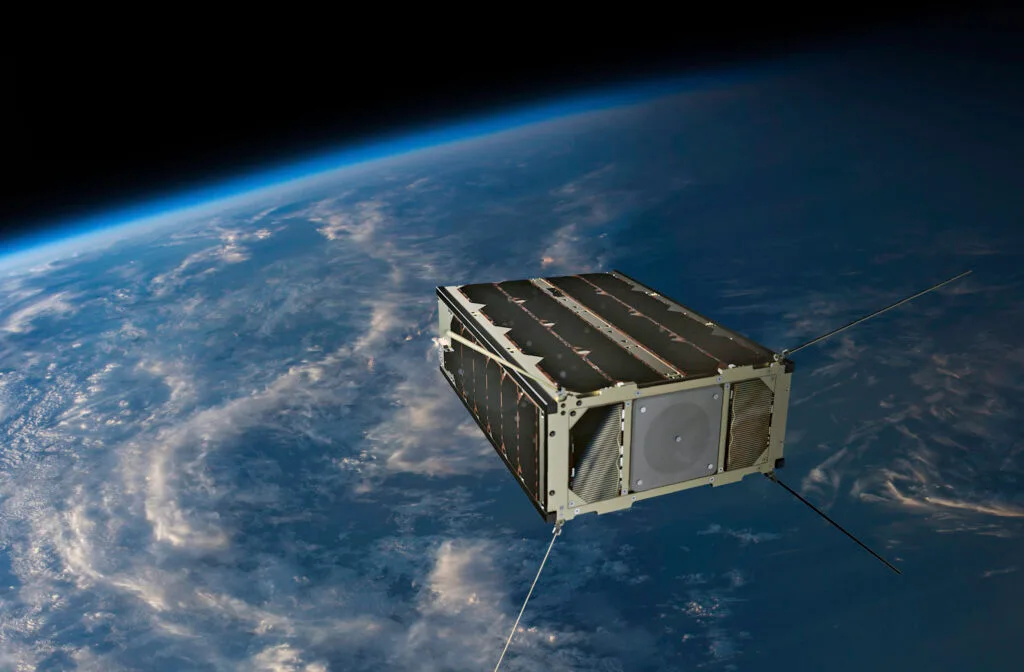
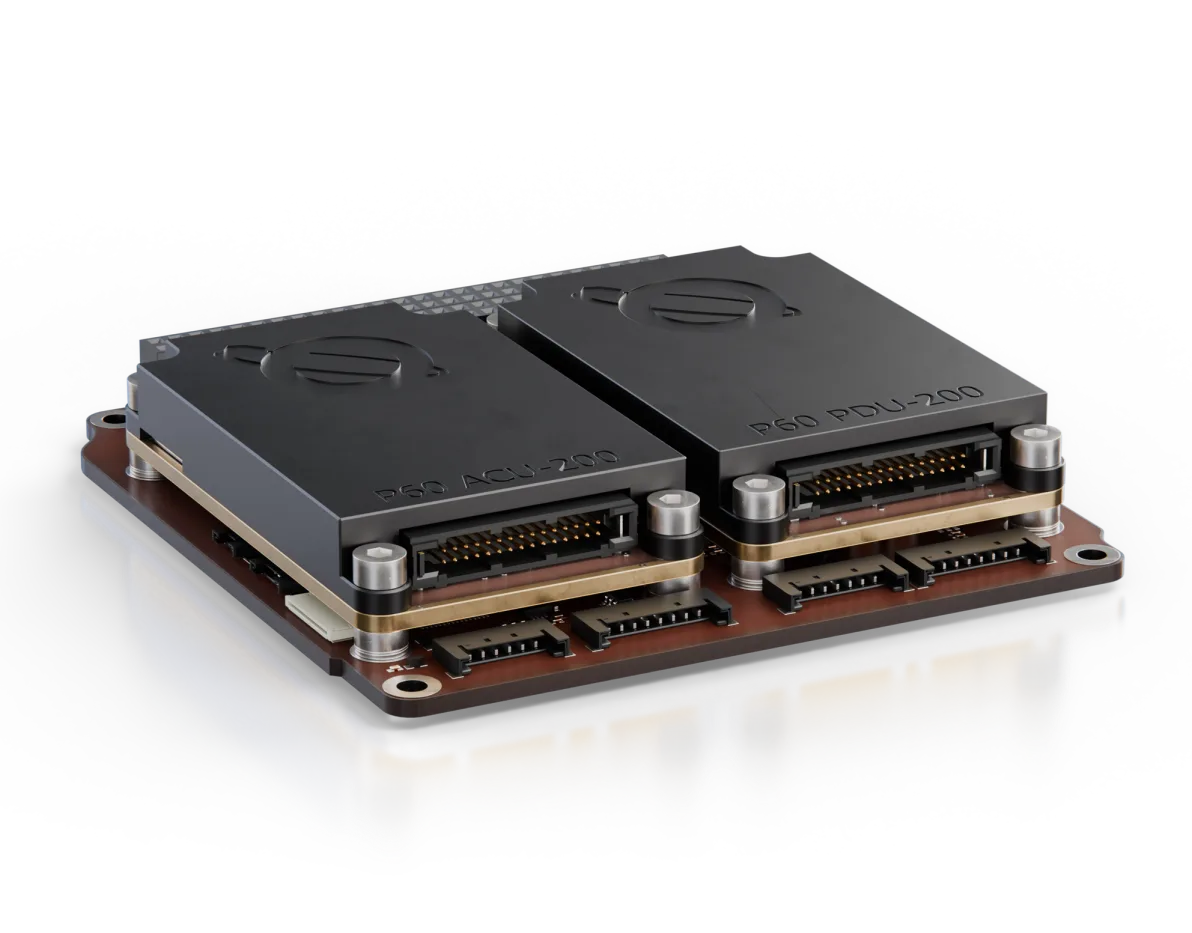
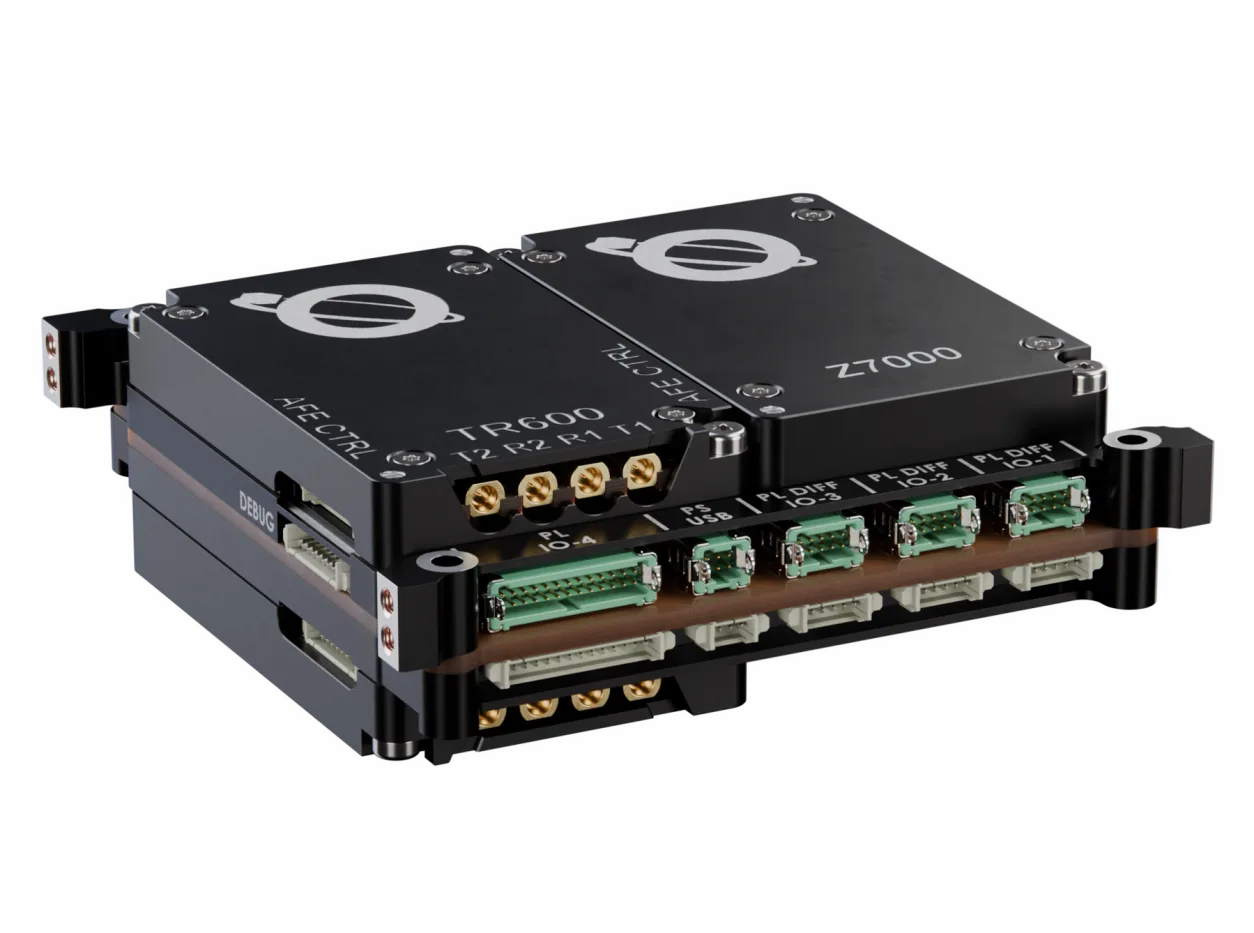
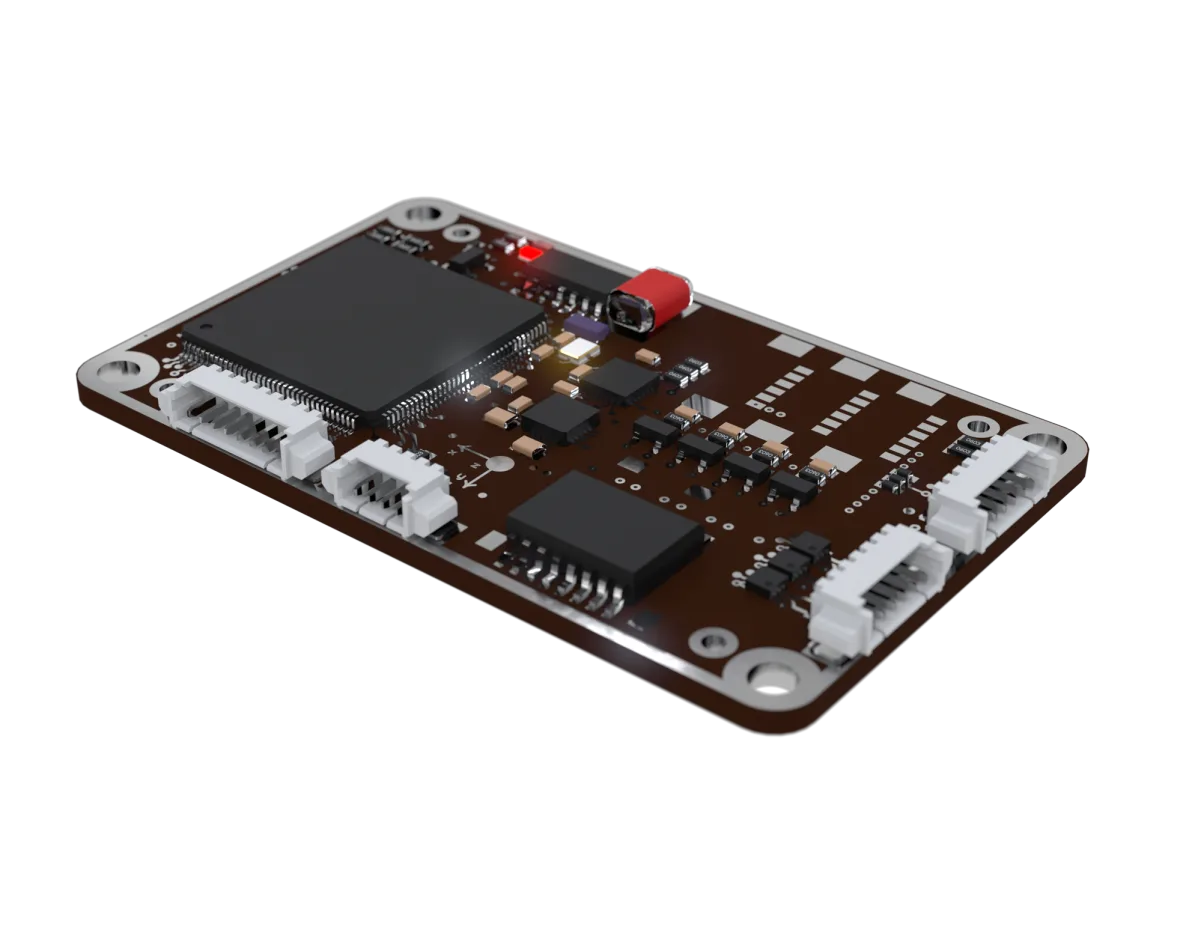

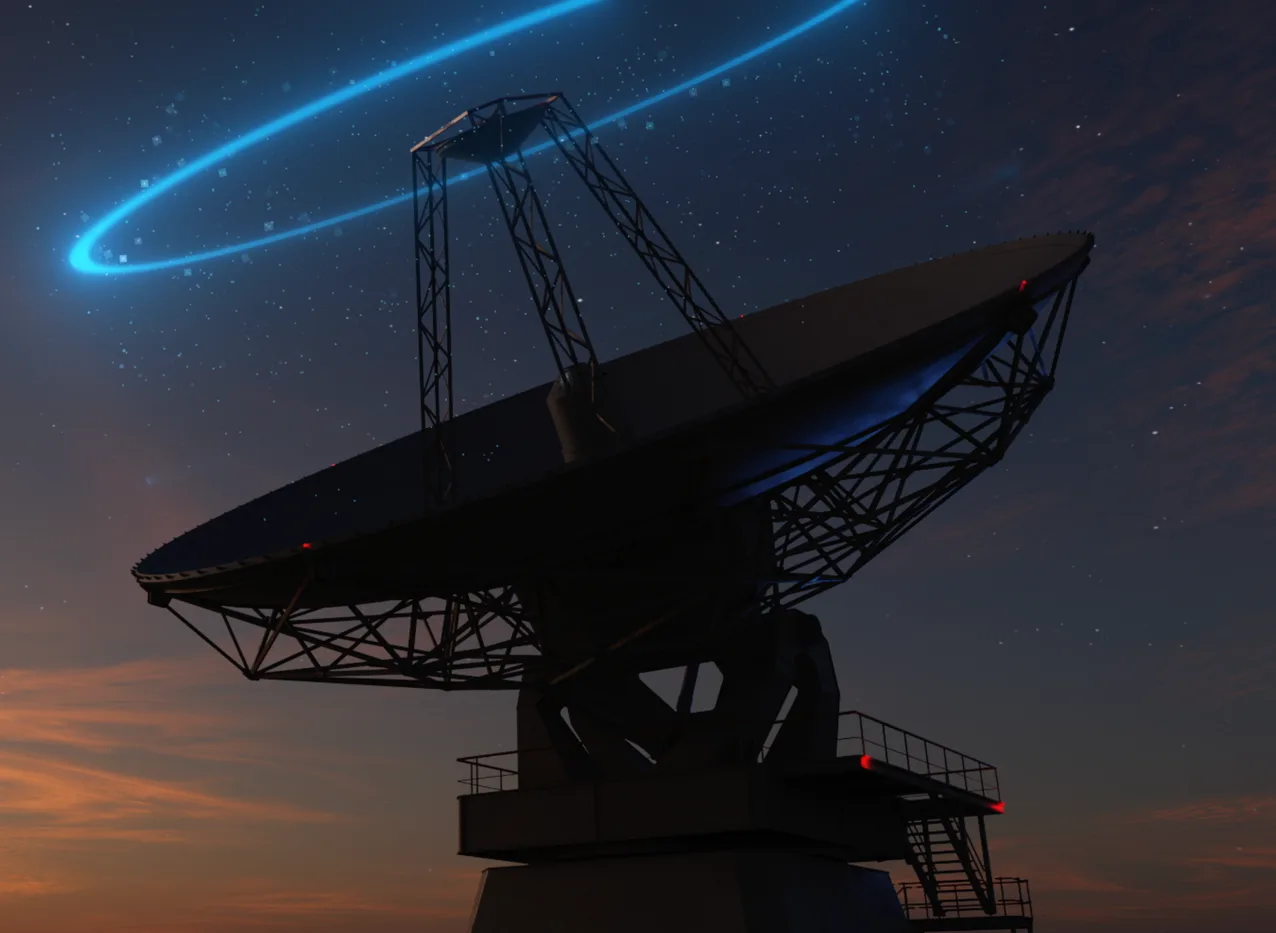

Aalborg satellite maker founded in 2015 that builds modular small-satellite platforms, subsystems and turnkey missions for defence, science and commercial customers, with more than 100 projects delivered.

Aalborg operator building a VDES (AIS 2.0) network of low Earth orbit satellites and ground stations that gives maritime authorities, coast guards and ship owners secure ship-to-shore data links.
Maritime
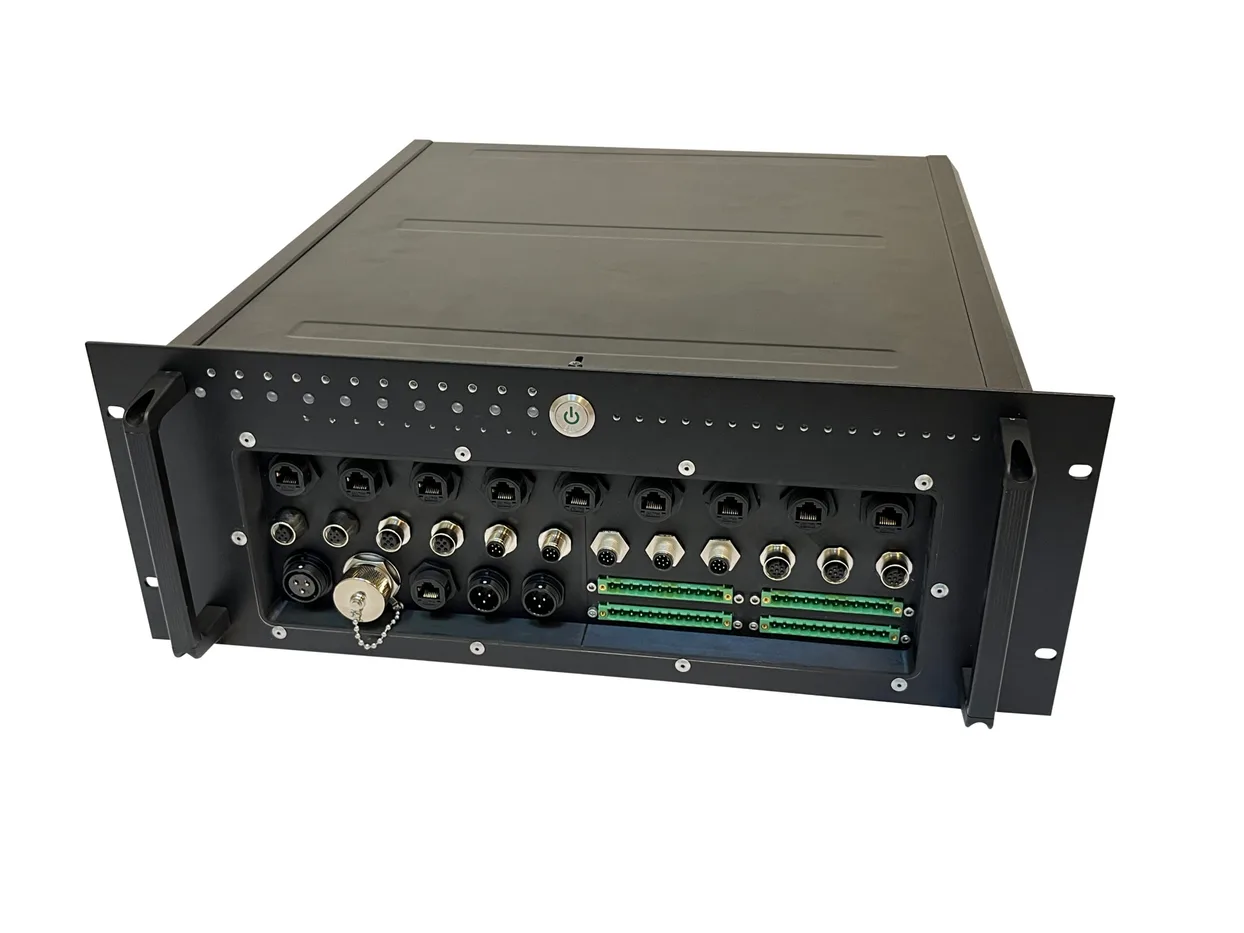
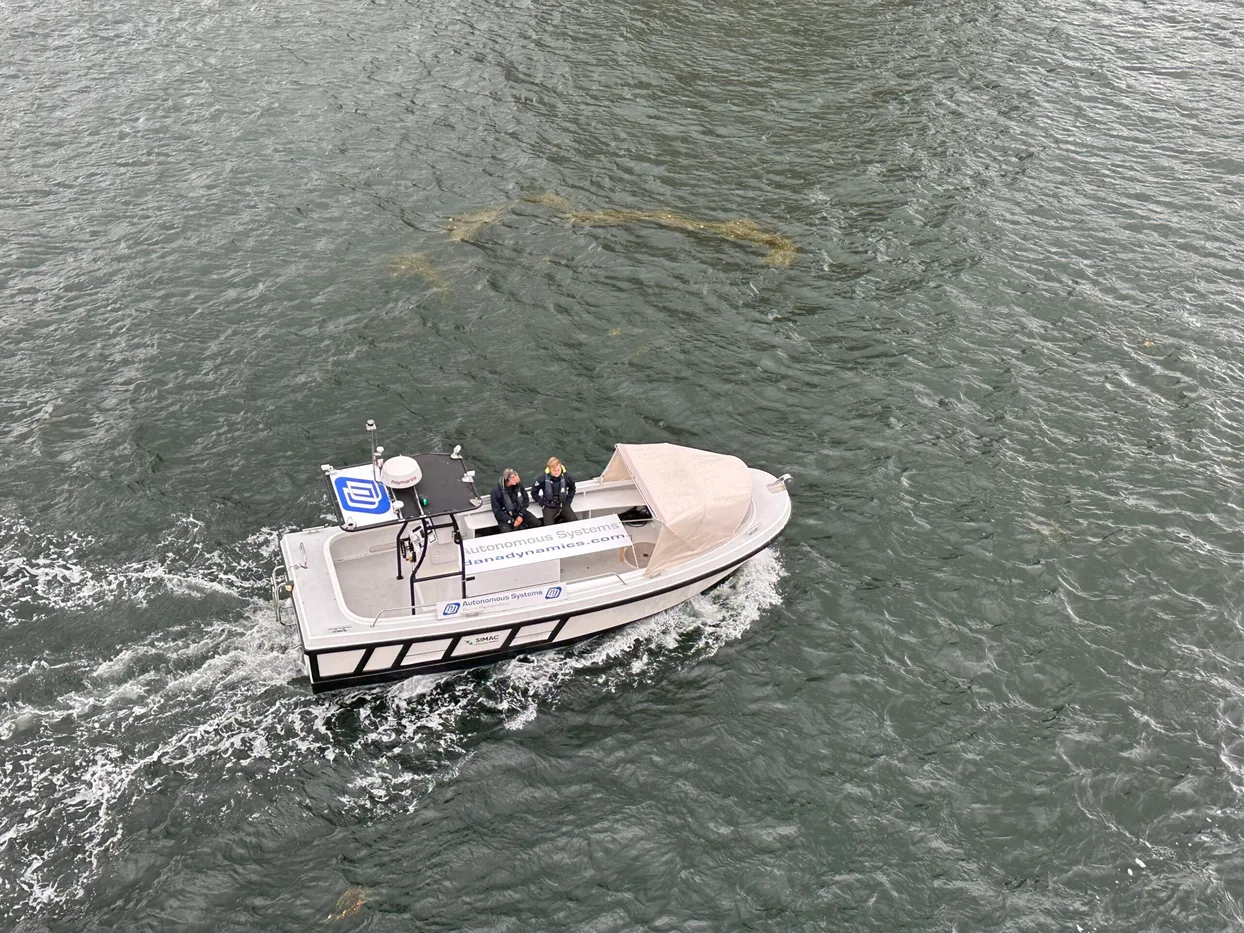
Odense maker of Sentinus underwater robots (ROVs) that inspect ship hulls, harbour walls and subsea infrastructure, marketed for defence surveillance and threat detection. The Danish armed forces operate a Sentinus 1, and Sentinus 2 was developed in collaboration with them.
Copenhagen maritime security company whose AI fuses multi-sensor data to expose dark ships and predict threats to undersea cables and other offshore infrastructure. Also developing BlueDragon, uncrewed surface vessels with interceptor drones to stop Shahed attacks off Ukraine's coast.

Danish company developing standardised physical and digital interfaces that let navies plug mission modules, sensors and uncrewed systems into any ship, sold as the ModuLink, ModuHub and ModuFleet products. Signed a memorandum of understanding with Babcock in August 2026 on hybrid naval capabilities.
Builds X-WAVE, a 12-metre uncrewed surface vessel designed to hold station in all sea states for up to 348 days to watch over undersea cables and pipelines. Backed by Semco Maritime and Final Frontier, it signed a letter of intent with Babcock at DALO Industry Days in August 2026.

Deploys passive acoustic sensors across the seabed that use onboard AI to detect and classify underwater threats near cables, pipelines and coastlines.
Encryption and quantum

Develops laser-based quantum random number generators (QRNG) for encryption and secure communications. A DTU spin-out founded in 2022, it builds on more than 20 years of quantum communication research at the Technical University of Denmark.

Danish quantum communications company building QKD systems for quantum-secure key exchange over existing fibre networks, including defence and government deployments.

Brøndby company that makes Dencrypt Connex, end-to-end encrypted voice, video and messaging for defence, government and business users. Terma agreed to acquire it in August 2026.
Ammunition, weapons and soldier systems

Develops musculoskeletal simulation software used by engineers, biomechanists and researchers in defence, orthopedics, automotive and ergonomics to model how the human body interacts with products and equipment.

Develops moving target training systems for military and police forces. Their autonomous lightweight units provide dynamic shooting training scenarios, helping soldiers and law enforcement officers train with moving targets.
Glostrup ammunition company in the Evergreen Holding group that offers licensed production, sourcing, assembly, storage and distribution of ammunition through Danish production partners.

Glostrup small-arms ammunition company in the Evergreen Holding group, focused on security of supply for NATO's European defence market.
Copenhagen defence supplier that manufactures the Forward Repair System NATO deployable workshops for the Danish Army, supplies the C20 designated marksman rifle and provides Puma UAS accessories and MRO services.

Allerød maker of lightweight plastic ammunition boxes and hazardous-goods cases that replace steel containers, trading as PPD since 2024.

Aarhus manufacturer of firearms, suppressors and spare parts for military and police users up to .50 calibre, including the M80 suppressor series and CSR-50 anti-materiel rifle. Also builds drone-mounted weapons such as the DCR-9 and twin .50-calibre DCR-50 for counter-UAS and strike roles.
Materials
Taastrup company that builds Direct Atomic Layer Processing (DALP) systems, which deposit and remove material with atomic precision for microelectronics, photonics, radio-frequency parts and manufacturing in space.
Nanostructured multispectral camouflage technology featuring wavelength-selective nanostructures imprinted in foil for thermal signature reduction and visual concealment. Mass-producible stick-on foil solutions adaptable to any platform across domains with newspaper-print-like production capabilities.

Denmark
47 companies · 46 jobs
Industries
Weibel Scientific
Allerød, denmark

GomSpace
Aalborg, denmark
MyDefence
Nørresundby, denmark
Nordic Wing
Værløse, denmark
Sky-Watch
Støvring, denmark
Space Inventor
Aalborg, denmark
ATLANT 3D
Taastrup, denmark
Acodyne
Copenhagen, denmark
Celare Quantum Communications
Frederiksberg, denmark
Abtrion
Ry, denmark
Alea Quantum Technologies
Frederiksberg, denmark
AnyBody Technology
Aalborg, denmark

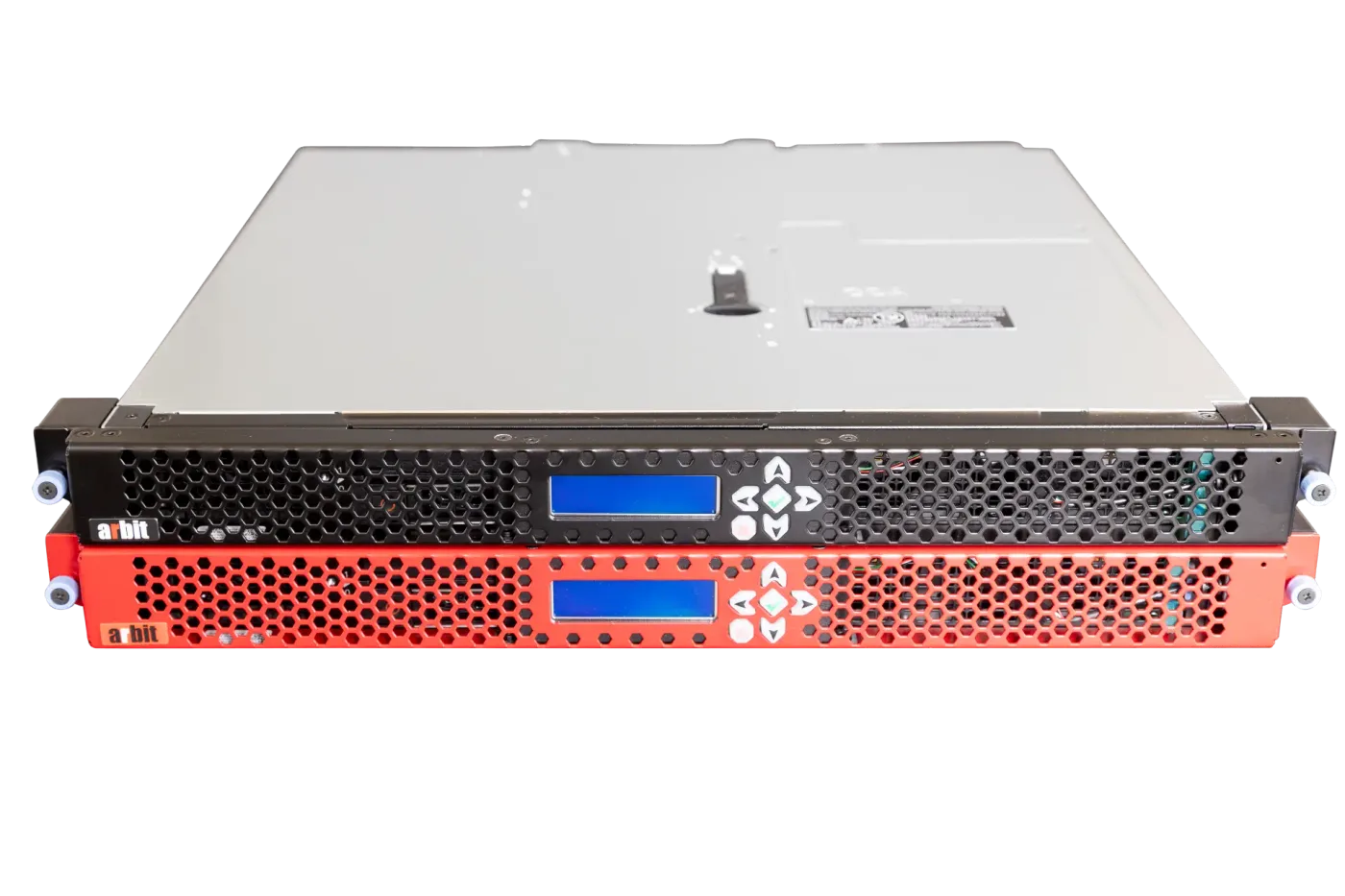
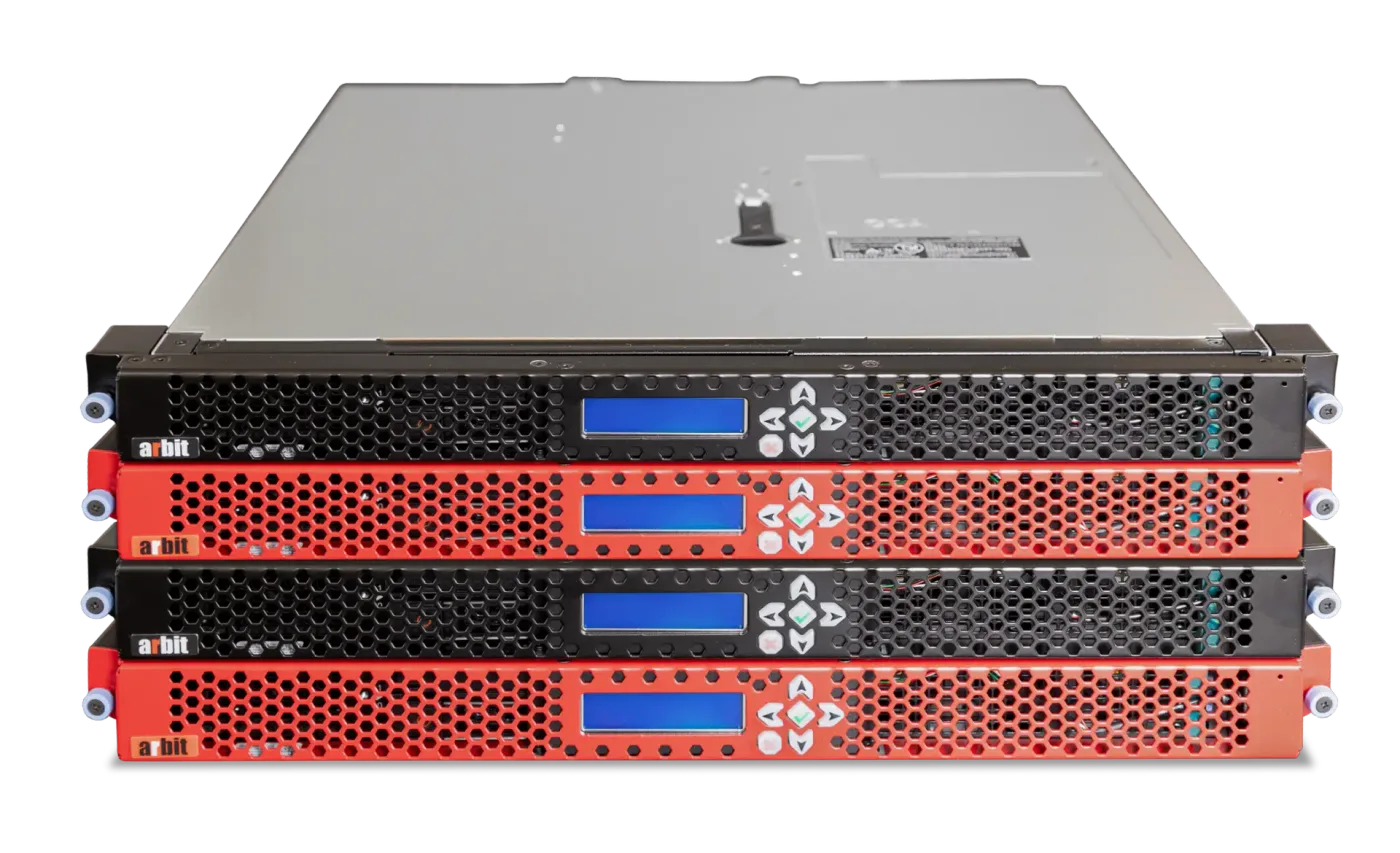
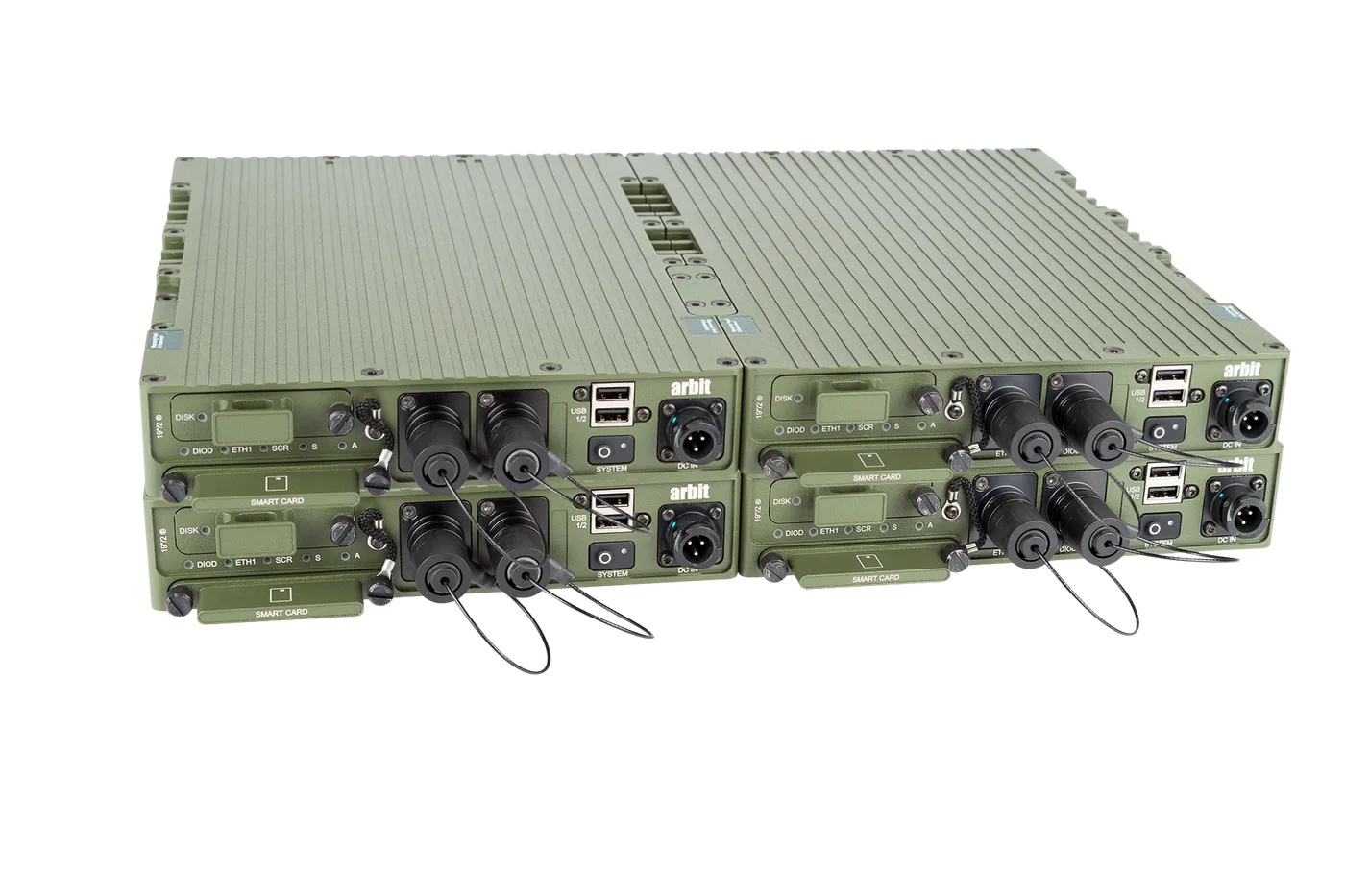
Arbit Cyber Defence Systems
Hvidovre, denmark
Bionic System Solutions
Odense, denmark
BlinkTroll Robotics
Odense, denmark
Blue Atlas Robotics
Odense, denmark
BlueShadow
Copenhagen, denmark
Chora
Aarhus, denmark
Copenhagen Sensor Technology
Herlev, denmark
CUBEDIN
Aarhus, denmark
DAMMO
Glostrup, denmark

DanaDynamics
Svendborg, denmark
DECPT
Nivå, denmark
Dencrypt
Brøndby, denmark
Dropla Tech
Odense, denmark
Evergreen Rifle Ammunition
Glostrup, denmark
Glaucus
Copenhagen, denmark
Godwit Systems
Kongens Lyngby, denmark
Hecto Drone
Hasselager, denmark
MDSI
Kongens Lyngby, denmark
Monopulse
Kongens Lyngby, denmark
Nordic Radar Solutions
Egå, denmark
OODALOOP Technologies
Odense, denmark
PlastPack Defence
Allerød, denmark
Quadsat
Odense, denmark
Renegade UxS
Holte, denmark
Robotto
Aalborg, denmark
SAI - Small Arms Industries
Aarhus, denmark
Sapient Perception
Copenhagen, denmark
Shotling
Aabenraa, denmark

SkyPro Propulsion
Kolding, denmark
Sternula
Aalborg, denmark
STORMBORN
Frederiksberg, denmark
Triton Depth
Copenhagen, denmark
UMag Solutions
Birkerød, denmark
UPTEKO
Skanderborg, denmark
UXV Technologies
Ishøj, denmark