
Country showcase · July 2026
Inside Italian defence tech (2026)
1 in 5 Italian defence tech companies builds for space, and most are decades-old engineering firms, not startups.


A diving company that has been in business for 99 years is now building submarines. Drass, based in Livorno on Italy's Tuscan coast, signed a framework agreement (a long-term supply contract without fixed volumes) in February 2025 to build 6 DGK compact submarines for Indonesia, a programme worth around $1.4 billion, and it is the first export order the company has won for a submarine of its own design. In Livorno it has taken on about 30 people over the past year, plans more than 40 more, and is putting up new warehouses, one of them for battery production, to fit the boats out.
Drass traces its roots to 1927 and the Galeazzi diving house it later absorbed, whose atmospheric diving suit set a world depth record in 1937. Sergio Cappelletti, who leads the group, put the win plainly to the Tuscan daily Il Tirreno. “We had to convince international counterparts that seas as shallow and complex as Indonesia's do not call for big ocean-going submarines,” he said, translated from Italian.
Most people who work in European defence technology have never heard of Drass, and when they picture the sector they think of Munich, London, Tallinn and Stockholm. Italy barely features. That is odd for a country running one of Europe's largest defence budgets. The core 2026 budget is about €32.4 billion, up around 3.5% on the year, and Italy declared it had reached NATO's 2% of GDP target in 2025, though it got there largely by reclassifying items such as military pensions and parts of the Carabinieri rather than a real increase in spending.
The DefenceJobs atlas tracks 80+ defence-technology companies headquartered in Italy. They sit in the shadow of Leonardo, the state-backed prime contractor at the top of Italy's defence supply chain, which AIAD, the Italian aerospace and defence federation, says accounts for roughly 80% of the sector's turnover. What these smaller companies (SMEs, or small and medium-sized enterprises) build does not follow the German pattern of venture-funded startups or the Nordic concentration of unmanned-systems and space companies. Among the Italian companies we track, the largest single group builds for space, about 1 in 5, a tilt the country's €1.07 billion IRIDE constellation and its 2025 space law bear out. The second thread is underwater, where a national programme and a pending €600 million Fincantieri acquisition show the government treating the seabed as a strategic priority.
These are not, for the most part, post-2022 startups. We know founding dates for about half the Italian companies in our atlas, and among those the older firms outnumber the young by a wide margin. When we went looking specifically for defence startups founded since 2019, across venture portfolios, accelerators and the NATO innovation programmes, we turned up almost none we did not already have. Italy got far less of the venture-funded defence startup wave that swept Germany after 2022, with a few exceptions such as the space company D-Orbit. Many of these firms are instead family-owned engineering houses, the kind a 2024 Mediobanca study found posting earnings margins above 12%, roughly twice the sector average. They cluster in Rome and its Lazio towns, in Milan, in Turin and, more quietly, around Pisa.
From the DefenceJobs atlas, July 2026. A verified sample, not a census.
Fincantieri is buying Italy's underwater companies
Just north of Treviso, in Villorba, SUEX has been building diver propulsion vehicles since 2000. Its military line, the NERO series, carries a single rider, and the US Naval Special Warfare Command has issued a contract request naming SUEX's product specifically rather than opening the field to competitors, the concrete sign that American operators want the Italian unit. SUEX is one of only a handful of Western makers of military-grade DPVs, alongside Germany's Rotinor, America's STIDD and the Anglo-Swedish Torpedo SEAL. In January 2025 SUEX and the UK sonar-maker Blueprint Subsea combined under a new parent company, Aion Group, after defence work had grown into a large share of both companies' revenue.
Back in Livorno, Drass's other programme is closer to home. It is equipping the Italian Navy's new diving-operations and submarine-rescue ship, Olterra, launched at Genoa in October 2025 and due in service in the first half of 2027, with a saturation diving system rated to 300 metres for 12 divers from COMSUBIN, the Navy's special-forces diving unit. Saturation diving lets divers live at depth for days without repeated decompression. The ship can also embark SAVER, a submarine-rescue system Drass developed with Saipem. All of this sits inside a roughly 100 kilometre corridor between Livorno and La Spezia, where the Navy's test centre, NATO's maritime research lab and the special-forces diving base share the coast.
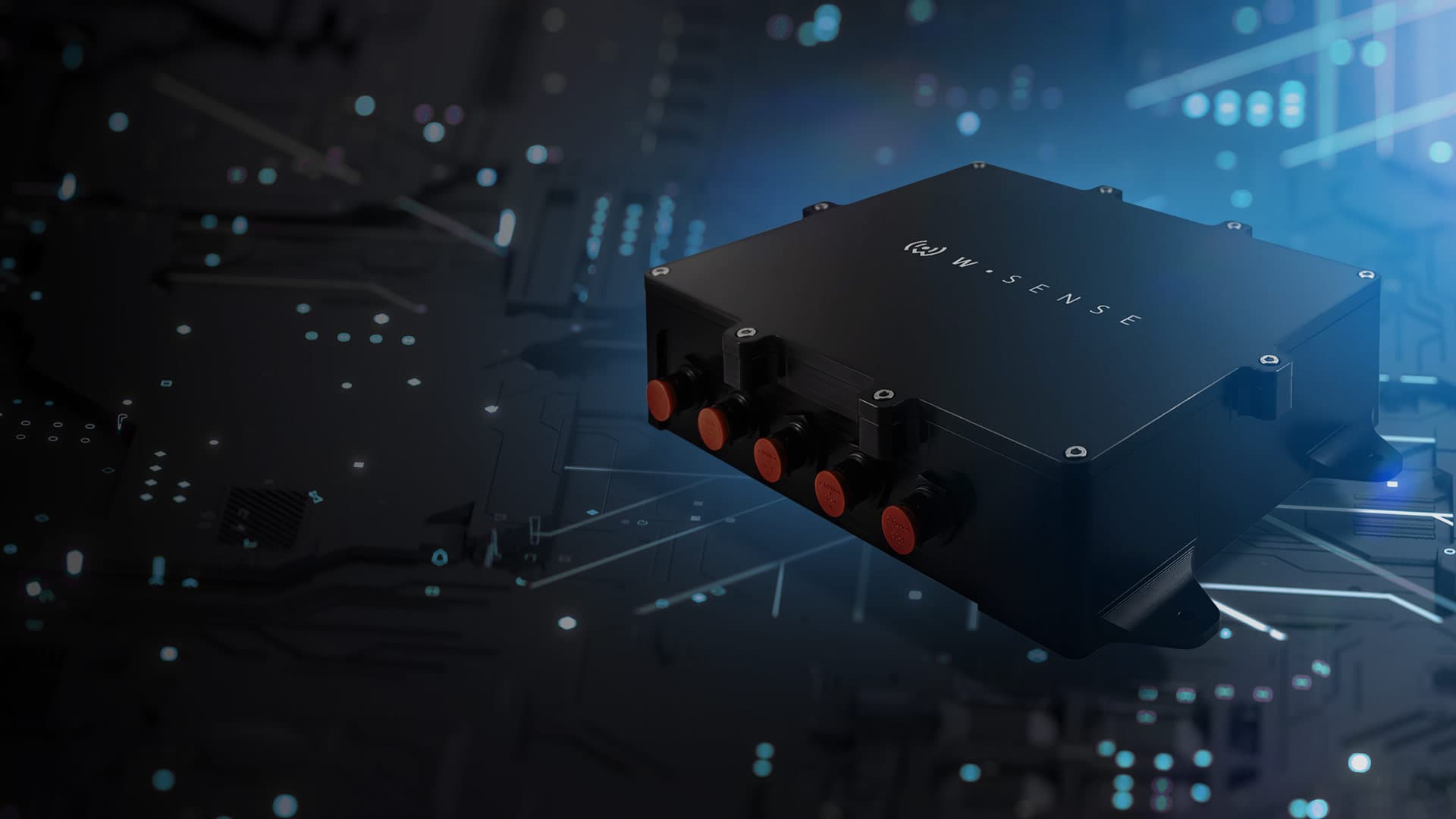
The government has now made that corridor a strategic priority in its own right. In December 2023 Italy inaugurated the Polo Nazionale della Dimensione Subacquea at La Spezia to coordinate underwater industry and protect subsea infrastructure, and the country's first report on the “underwater economy” put the sector at around €3.5 billion across roughly 189 firms. In July 2026 Fincantieri signed a package worth around €600 million to build a dominant Italian underwater-technology group, pending clearance under Golden Power, the law that lets Rome block or attach conditions to takeovers and big ownership changes in strategic sectors, whether the buyer is Italian or foreign. It is taking majority stakes in 2 companies we track: WSense, the Rome La Sapienza spin-off whose acoustic mesh networks connect sensors and drones down to about 3,000 metres, and Graal Tech in Genoa, whose Folaga and X-300 vehicles can glide, hover and land on the seabed. WSense's founder Chiara Petrioli framed the deal as a new phase rather than an exit. “We are maintaining our autonomy and identity as a deep-tech company, whilst at the same time strengthening our ability to roll out our technologies on a global scale,” she said in a statement reported by the Italian outlet StartupBusiness.
MED Defense in Cervia, on the Adriatic, builds military RHIBs (rigid-hulled inflatable boats). It says it has produced more than 200 professional boats and has supplied 150-plus to Italian public forces since 2015, from the Guardia di Finanza to COMSUBIN. Mirai Robotics, founded in Bari and backed by a pre-seed of just under €4 million in March 2026, is building crewless surface vessels for patrol and surveillance. Elesia, outside Rome, builds the shock-mounted operator consoles that go on warship bridges.


Designs and manufactures submarine rescue systems, saturation diving equipment and hyperbaric oxygen therapy chambers for navies, special forces and commercial diving operators.

Designs and manufactures carbon-fibre naval consoles, composite ISO shelters, large-screen situational awareness displays and embedded electronics for defence, aerospace and security customers worldwide.
Graal Tech develops autonomous underwater vehicles, unmanned surface vehicles and modular maritime robotics for surveillance and defence applications.
Defence division of Gruppo MED building custom military RHIB inflatable boats. Has delivered over 200 vessels since 2015 to Italian forces including the Carabinieri, State Police, Guardia di Finanza, Comsubin navy special forces and Coast Guard.
Bari startup building software-defined autonomous surface vessels and AI information intelligence platforms for maritime operations. Targets persistent ISR and patrol missions and raised 3.6 million euro in pre-seed funding in 2026. Founded in 2025.
Builds diver propulsion vehicles with integrated sonar, Doppler navigation and mission-planning software for military combat swimmers and special forces.
1 in 5 companies build for space, and Turin is the centre
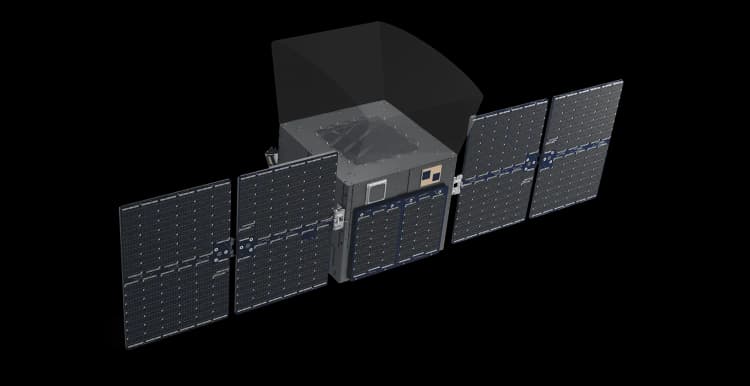
Italy's clearest space-scaleup story is D-Orbit, founded in 2011 in Fino Mornasco, near Como. Its ION Satellite Carrier flew its 23rd mission in July 2026 and has delivered more than 200 payloads to orbit. In 2024 D-Orbit closed a €150 million Series C, the largest Italian space round of the period, and in January 2026 it added a round of around €110 million led by the asset manager Azimut. It is the prime contractor for RISE, the European Space Agency's first in-orbit servicing mission, a €119 million contract to dock with and extend the life of a geostationary satellite from around 2028. “Space requires its own logistics backbone,” founder Luca Rossettini told the trade publication SpaceTech Gulf.
Argotec, in San Mauro Torinese on the edge of Turin, builds 25 of the 68 satellites in IRIDE, Italy's flagship Earth-observation constellation and a €1.07 billion programme funded largely through the EU recovery fund. That is the single largest block from any one supplier. The satellites are built at Argotec's SpacePark, an automated factory that opened in October 2024, and the company, which built cubesats for NASA's DART mission, has now opened its first US plant on Florida's Space Coast. Lombardy holds the other scaleup, Leaf Space near Milan, which runs ground-station networks for satellite operators.
Space is also where Italy has legislated. Law 89 of June 2025 is the country's first national space law, setting up an authorisation regime run by the industry ministry through the Italian Space Agency and mandatory insurance of up to €100 million per incident. The startup scene around it is densest in Turin, where the ESA business incubator, the I3P accelerator and the Politecnico feed a cluster that includes Kurs Orbital, an in-orbit servicing company founded by the former head of Ukraine's space agency, who moved it to Turin after Russia's 2022 invasion, Ecosmic, which tracks space traffic, and ORiS, which beams power to satellites. “This round is critical for our next step, delivering powerful and cost-effective rendezvous technology to the market,” Kurs Orbital's Volodymyr Usov said in the I3P incubator's announcement of a €3.7 million seed in 2024.
Not everything stays small. Officina Stellare, a Sarcedo maker of optical payloads and space-optics systems, is still listed on the Milan stock exchange, but in June 2026 a new aerospace and defence group about 59% owned by the private-equity firm Investindustrial took control of it. The centre of activity in Italian space has also shifted north. The southern space corridor that once looked like a rival hub has thinned: Planetek in Bari is now part of D-Orbit, and in Naples the launcher startup Sidereus wound down its programme in 2026. It was a technically capable young team, but it could not raise the money needed to build rockets in Europe. That shortage of capital, not technology, is the real constraint on the sector. The largest venture round any Italian defence-tech company we track has raised is D-Orbit's €150 million, and Italy does not appear in the country rankings that logged billions for German and British startups in 2025. The budget is among Europe's largest, but the private capital behind its startups has not caught up.
Argotec
Designs, builds and operates small satellites in-house, from Earth observation constellations to deep space microsatellite missions and human spaceflight payloads.

D-Orbit
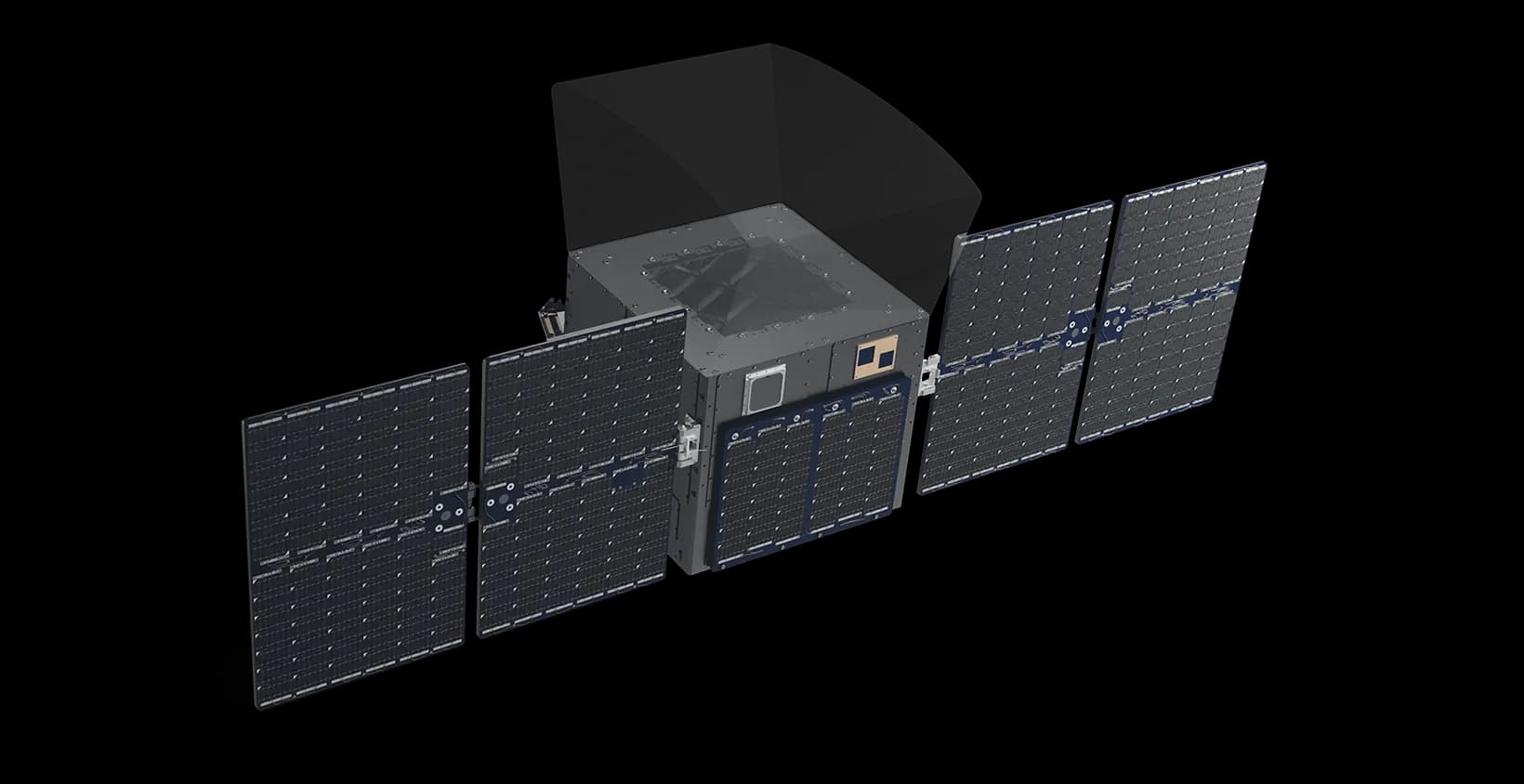
Builds orbital transfer vehicles and mission control software that deliver satellites to precise orbits and enable in-space logistics services.




Leaf Space
Provides Ground Segment as a Service through a global network of owned and operated satellite ground stations.

Officina Stellare
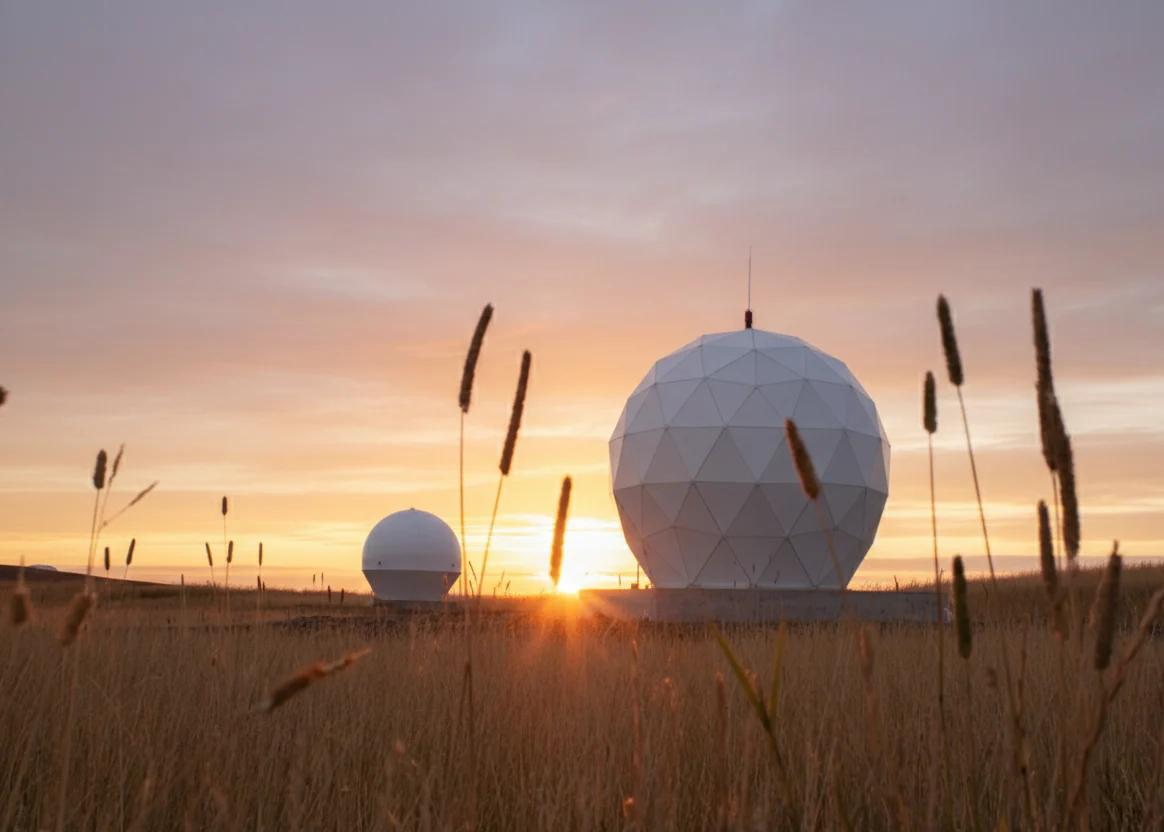
Designs and manufactures space-qualified optical payloads, laser communication terminals and ground stations for Earth observation, space surveillance and secure satellite communications.

Designs SAR simulation tools, radar instruments, EO data processors and value-added analytics services for European and international space missions.
Milan space company founded in 2015 developing DeCAS, a patented debris collision alert system that tracks and predicts the re-entry footprint of fragmenting satellites and launchers. Alerts civil and military aviation and critical-site safety agencies in real time.
Italian space propulsion startup developing water-to-steam propulsion for rapid, agile satellite manoeuvring and dual-use satellite integration.

Ecosmic develops operating systems for space security environments. The company advances software used in space and addresses space debris issues by inventing plug-and-play technology that improves collision avoidance. Their SAFE system helps satellite operators navigate collision risks.
An Italian aerospace company developing the HyperDart air-launched rocket system using hypersonic ramjet technology to provide flexible, cost-effective access to space for small satellites up to 250kg.
University of Pisa spin-off founded in 2014 developing space-qualified electronics, including SpaceWire and SpaceFibre communication devices and the GPU@SAT onboard AI accelerator for satellites. Serves space and institutional customers.
Italian space SME active since 2005 in satellite ground segment, earth observation, propulsion systems and avionics with defence customers. Designs control stations and instruments for satellite communication and remote sensing missions.
Autonomous in-orbit satellite servicing and life extension technology for defence and commercial constellations.
Space propulsion startup founded in 2019 near Rome developing water-electrolysis micro thrusters for satellites. Partnered with Thales Alenia Space Italia and backed by ESA BIC Lazio, with patents granted in the EU, Italy, India and Japan.
Aerospace division of NPC New Production Concept, founded in 2013 in Imola, providing nanosatellite platforms, CubeSat deployers, separation systems and the ARTICA deorbiting device for civil and defence missions. Has delivered over 236 hardware units across 19+ satellite missions.
Turin space and defence startup developing wireless power transmission for satellites, lunar systems and drones using space-qualified lasers and beam control.
Geospatial and Earth observation company founded in 1994 providing satellite imagery analytics, GIS and geospatial intelligence. Serves defence and security customers with full motion video exploitation and ISR data, and participates in the Copernicus programme.
Space software company spun out of the University of Pisa in 2011, developing space surveillance and tracking, orbit determination and asteroid impact monitoring software. Operates the NEODyS and AstDyS services and builds systems for ESA and the Italian Space Agency.
Italy flew big drones early, but its own makers build small ones
Italy was one of Europe's earliest big-drone operators, flying General Atomics Predators over Iraq and Afghanistan from the mid-2000s. Its one serious attempt to build a large drone at home, Piaggio's P.1HH HammerHead, lost its prototype in a 2016 crash and never reached production. So Italy's home-grown drone makers cluster at the small end, making mini reconnaissance drones, target drones and, increasingly, small explosive drones flown by a first-person video feed.
Sky Eye Systems, founded in 2017 near Pisa, is the clearest example. It is a joint venture between the family that owns the Foligno aircraft-maker OMA and Massimo Lucchesini, the former head of Alenia Aermacchi. Its Rapier X-25, a catapult-launched reconnaissance drone certified toward the NATO STANAG 4703 airworthiness standard, went to the Italian Air Force's drone centre of excellence at Amendola, and in December 2022 the Army followed with a €9 million contract of its own. “Sky Eye Systems has one of the only certified UAVs in this category, meaning it can fly without restriction,” its head of marketing and sales Giovanni Fumia said in a Dassault Systèmes customer story.
AURYN Aero in Rome builds drones designed to attack rather than watch. It openly sells small first-person-view strike drones, including the AY-100, alongside target drones like the reusable AY-44Q “Zombie”, which is built to be shot down in counter-drone training and then rebuilt in the field. Few other Western European small firms advertise a strike drone this openly. Siralab Robotics in Terni, now majority-owned by Dronus, supplies tactical mini and micro drones to armed forces and police, and Nimbus UAS near Turin has been building tactical drones since 2006, flying homeland-security missions with the state police.
The drone business is also where Italy's vetting of foreign takeovers has bitten hardest. Alpi Aviation, which makes the backpack-portable Strix mini-drone, was found in 2018 to have been quietly sold 75% to Hong Kong buyers at roughly 90 times the shares' face value. Under a 2022 government decree the stake was divested, returned to a co-founder in 2023 and finally sold to the private-equity-backed Movinter in 2025. SunCubes in Milan is a good example of dual-use technology, built to serve civilian and military buyers at once. It is building DEEP LIGHT, a blue-green laser meant to recharge underwater drones on the seabed so they never surface, a project the La Spezia underwater programme picked in early 2026. Stratobotic in Turin flies a reusable, high-flying aircraft designed to stay aloft for long stretches and do the job of a satellite, and Evolunar, a Politecnico di Torino spin-off, is building a drone to fly on the Moon.
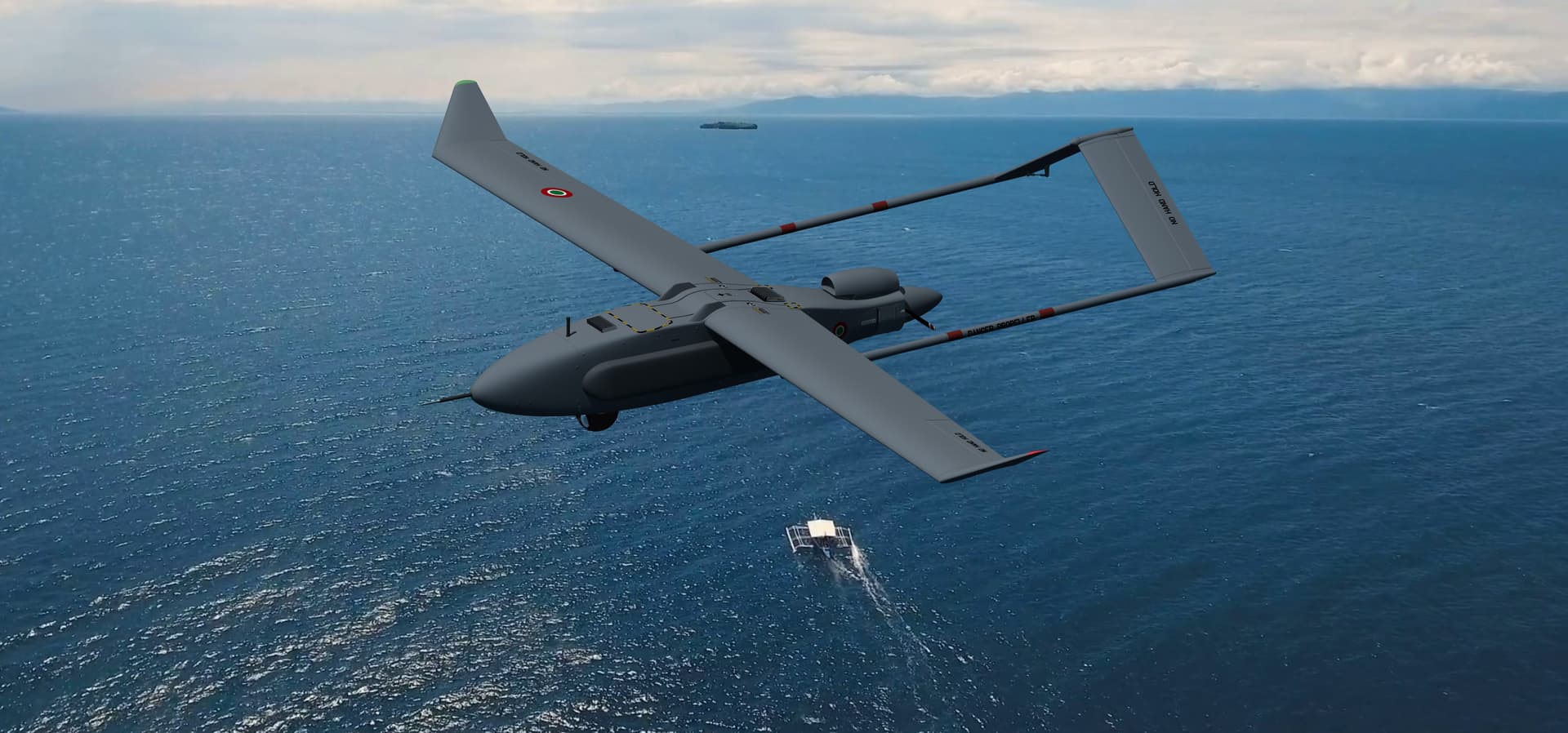
Pordenone-based manufacturer of light aircraft and military UAVs since 1999, producing the Strix-DF and Strix-C mini tactical systems deployed by the Italian Air Force in Afghanistan. Acquired by RedFish LongTerm Capital in October 2025 for €4 million.
Rome-based aerospace startup founded in 2017 developing reusable aerial target drones for cost-efficient counter-UAS training. Its AY-44Q Zombie platform withstands 10+ engagements before full overhaul, addressing the cost of live-fire C-UAS exercises.
Turin aerospace startup building POLARIS, a navigation module for UAVs operating in GNSS-denied environments, derived from autonomous lunar mobility work.
Turin-area OEM designing and manufacturing multirotor and VTOL unmanned aerial systems with proprietary avionics and command software. Provides ISR for the Italian State Police and critical infrastructure inspection. Founded in 2006.
Terni-based manufacturer of tactical mini and micro UAS for reconnaissance and surveillance missions, founded in 2007 as a University of Perugia spin-off. Supplies the Italian Armed Forces, police, and civil protection with the SR-X1, SR-X4, and RADON-X platforms.
Turin startup founded in 2019 developing CubeHAPS, a reusable high-altitude pseudo-satellite operating at 20 km for persistent Earth observation, ISR and telecommunications. Incubated by ESA BIC Turin and a finalist at Tech Tour Deeptech and Defence 2024.
Milan Polytechnic spin-off developing laser-based wireless power beaming systems that deliver 200W over 3+km distances to drones, sensors, and underwater platforms. Won the Italian Navy DEEP LIGHT project award in 2026 for powering autonomous underwater systems.
We track just 1 Italian counter-drone specialist, against 13 in the UK
Rome's defence-electronics cluster grew out of an older generation of companies. Elettronica, the country's top electronic-warfare company, started in a small laboratory on Via Tiburtina in 1951 with 25 employees, and Selenia, a radar and missile house, employed nearly 13,000 people around the capital at its 1980s peak before it was folded into what is now Leonardo. Decades of that work built Rome's pool of radar, radio-frequency and electronic-warfare engineers, and the SMEs that sell to the nearby Ministry of Defence draw on it. Our data shows a cluster of around 17 to 18 companies in Rome and its Lazio towns.
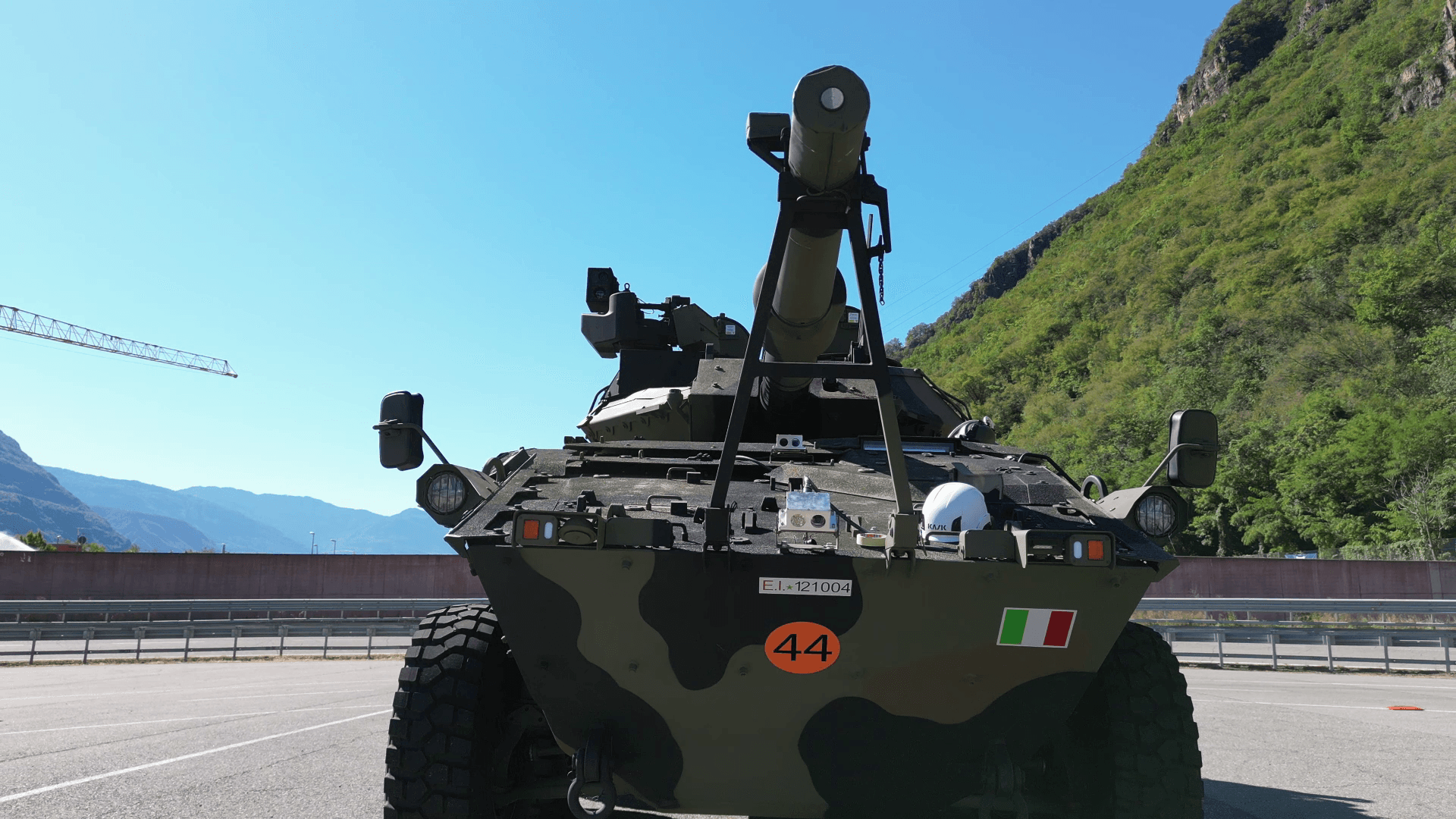
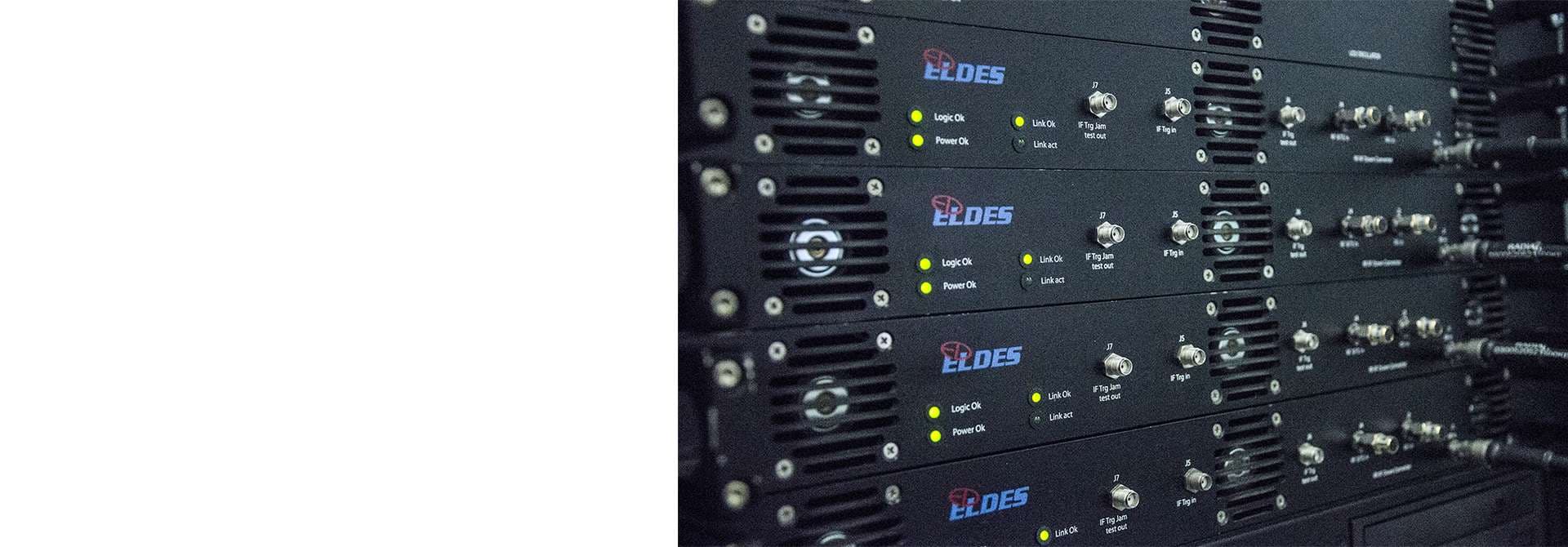
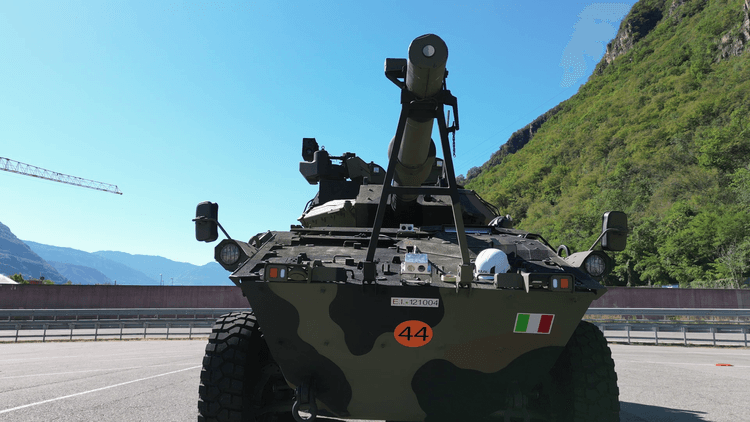
DCube in Genoa builds VUHLCAN, the driver-vision system on the Italian Army's Centauro 2 wheeled armoured vehicle. By 2022, 5 units had been fielded, with around 150 anticipated and 2,000 kilometres of testing behind them, according to EDR Magazine, on a programme funded through Italy's national military research plan. ELDES in Scandicci, near Florence, builds radar and threat simulators that plug real hardware into a simulated battlefield, so armed forces can test electronic-warfare systems against simulated anti-ship missile seekers.
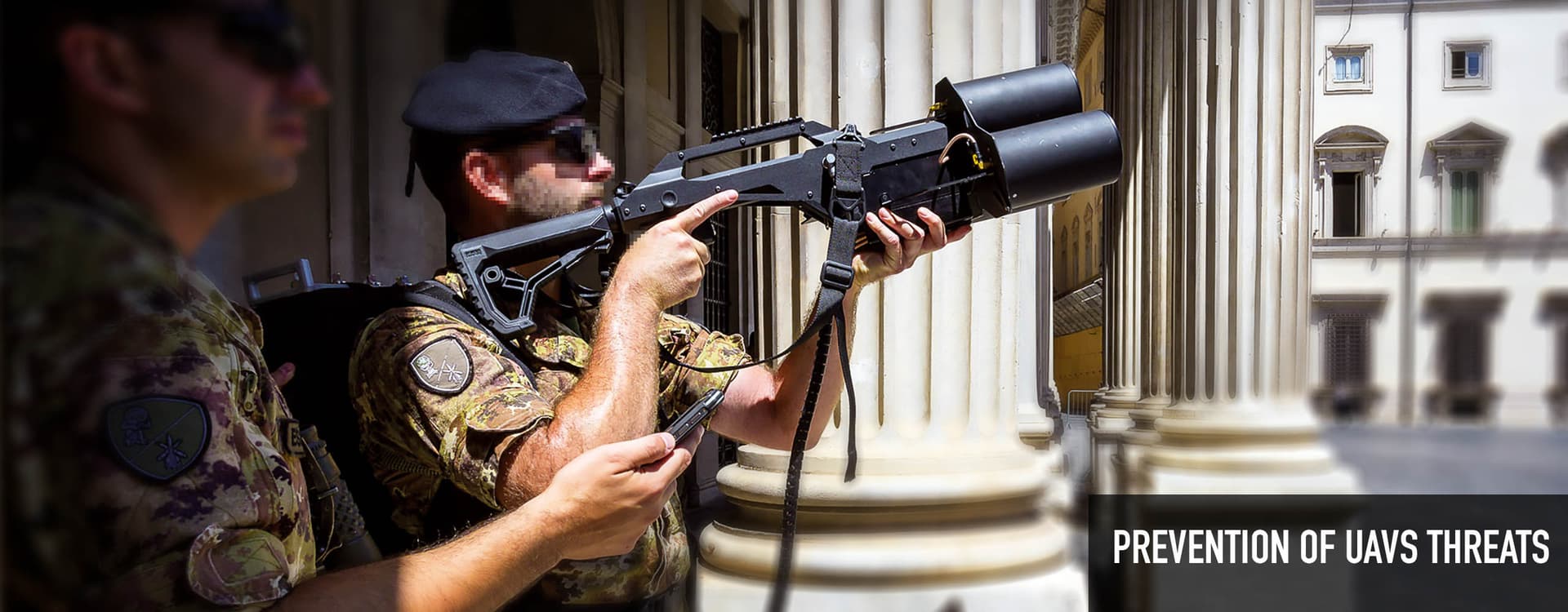
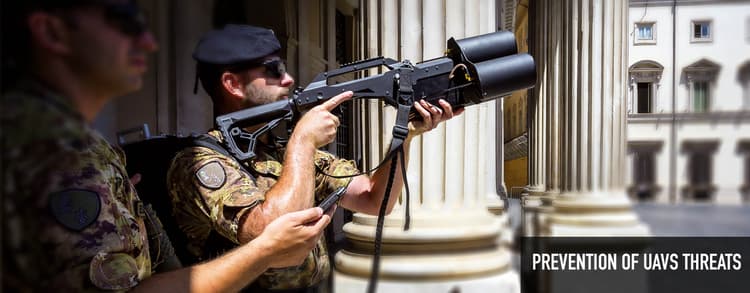
One thing our data does not show is an Italian counter-drone startup scene. Exactly 1 company we track in Italy, CPM Elettronica in Rome, has counter-drone jamming as its primary business, against 13 in the United Kingdom, 7 in Germany and 4 in France. CPM has spent roughly three decades jamming enemy radio and radar signals, with jammers fielded on operations for over a decade, and sells its Watson and Wilson jammer guns worldwide. Three rounds of scouting through federation lists, exhibitor catalogues and spin-off registries turned up no other independent Italian counter-UAS SME, leaving the niche to the primes.
The rest of the sensor segment is a spread of specialists. Eurolink Systems in Rome integrates rugged electronics for Leonardo, MBDA and Thales, and markets its own Beluga mini-drones. VirtuaLabs, also in Rome, says it has built more than 30 radar, EW and anti-drone products over 28 years. MetaSensing, an Italian-Dutch house south of Rome, builds synthetic-aperture radar, which produces sharp ground images from aircraft or satellites, at resolutions down to about 30 centimetres. Sentech designs cameras, infrared sensors and systems that locate the source of a radio signal, RF Microtech in Perugia makes electronically steered radar antennas (phased arrays) and radar for civil and military use, ICS Technologies on the Marche coast builds coastal-surveillance radar, and Nurjana Technologies in Sardinia builds weapons-testing ranges fitted with tracking sensors as well as space-tracking systems.
CPM Elettronica
Builds RF jamming systems for convoys, fixed sites and drone threats, including the Guard-One platform that combines radar, passive detection and jammers to counter hostile UAVs.
DCube
Builds optronic aiming systems, anti-sniper detection, diver navigation and semi-autonomous vehicle control systems for armoured vehicles, ships and underwater operators.
ELDES
Builds X-band weather radar systems and hardware-in-the-loop radar simulators that defence forces use to test electronic warfare and anti-ship missile seeker systems.


Eurolink Systems
Eurolink Systems provides defence and aerospace technology integration, rugged embedded electronics, RF systems, unmanned platforms, and lifecycle support for mission-critical applications.
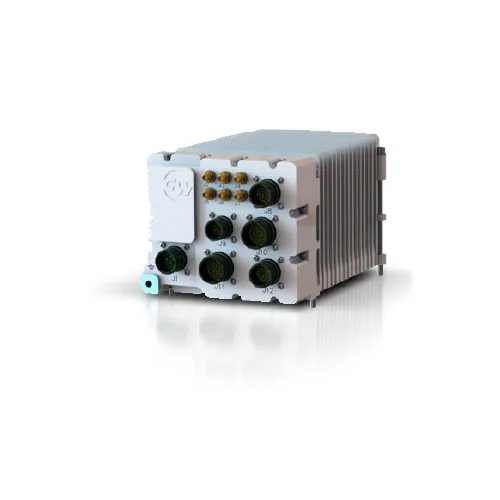
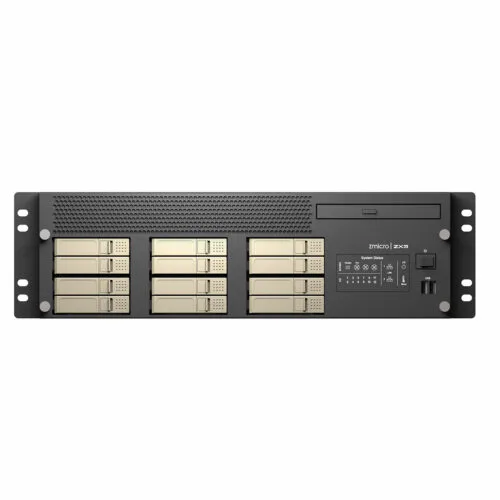
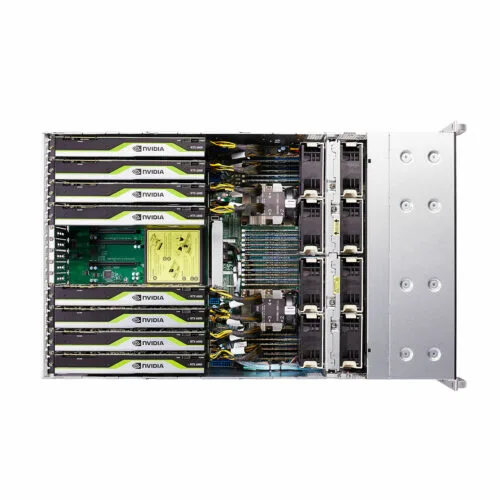
Ravenna developer of C5ISTAR and tactical mission systems that integrate radar, sonar, electro-optical and NBCR sensors for land and maritime operations. Customers include NATO, the Italian Army, Carabinieri and Coast Guard.
Grottammare company, operating as X Technologies, building radar sensors and integrated surveillance and command-and-control systems for coastal, naval and defence security missions.
Milan-area RF and microwave manufacturer producing high-power amplifiers, tunable and solid-state agile filters, combiners and multicouplers for land and naval military missions and radar. Founded in 1999.
Italian radar company developing SAR payloads for space and ground-based defence surveillance, including the StarSAR-X and lightweight PhoeniX SAR sensors. Has a dedicated defence division building customisable radar for airborne and ground surveillance.
Cagliari-based defence systems engineering company delivering multi-sensor data fusion, automatic target tracking and space domain awareness solutions. Builds the NEOS electro-optical long-range tracking system and leads the STAALION in-situ SDA project protecting European satellites.
Perugia University spin-off founded in 2007 designing antennas, phased arrays, microwave filters and RF systems for satellite communications, avionics and defence, including radars for military applications. Has supplied space-qualified components for the IRIDE and ExoMars programmes.

San Cesareo-based military optronics supplier founded in 1992, specialising in night vision, thermal imaging, tactical illumination and target engagement systems. Since 2015 it has manufactured its own products and is an approved source for 317 NATO stock numbers.

Italian embedded computing company with 16 years designing electro-optical targeting systems, direction finding antennas, radar target generators and electronic warfare simulation systems for defence applications. ISO 9001 certified with multi-domain AI capabilities.
Italian designer and manufacturer of radar, electronic warfare, and counter-drone systems for naval, airborne, ground and space applications. Has delivered over 30 product lines to 23 worldwide customers across 28 years of operation.
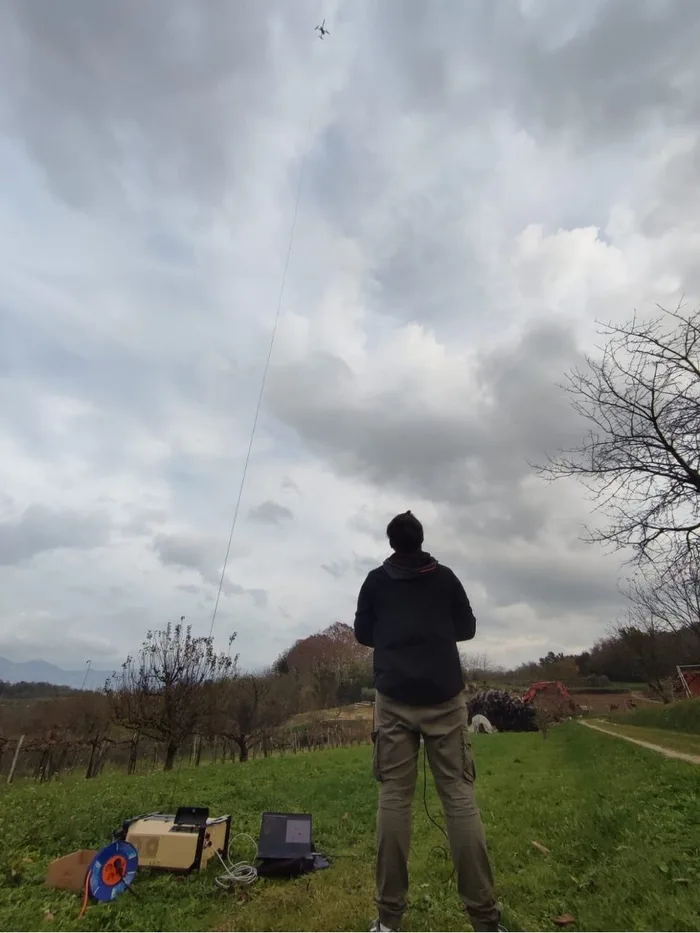
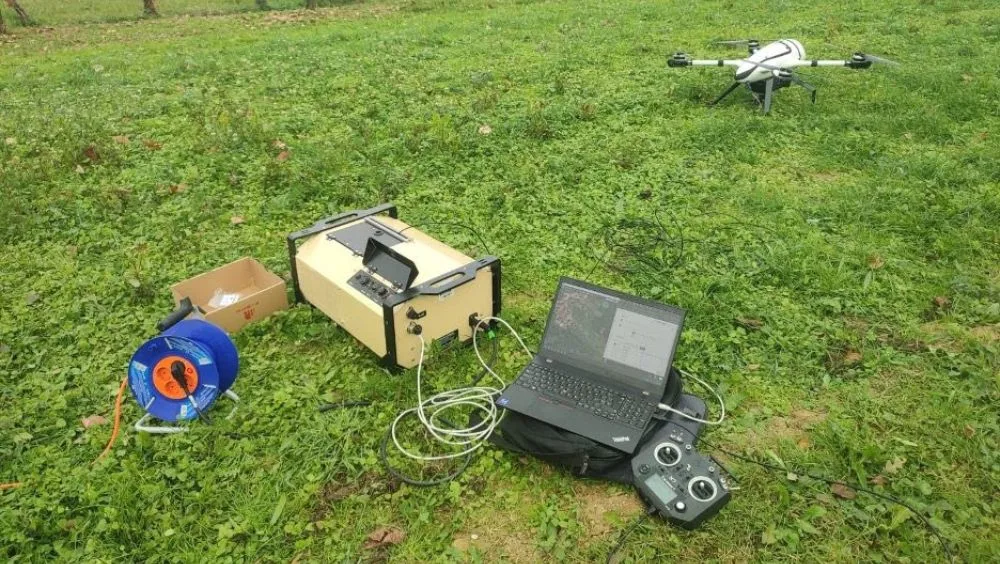
Milan deep-tech company that uses AI and multi-sensor fusion (ground-penetrating radar, magnetometers, electromagnetic sensors) to map the subsurface. Its drone-mounted Remote Mine Detection System identifies anti-personnel and anti-tank mines and unexploded ordnance in real time and has been trialled in US Army field experiments.
SITTI has built voice communication systems for air bases since 1946
SITTI has been building air-traffic and tactical voice-communication systems since 1946, from Vimodrone on the eastern edge of Milan, not from Rome, where it is sometimes placed. It supplies the voice-switching systems the Italian Air Force uses across its air bases, has more than 120 systems installed, and lists customers from ESA's operations centre in Darmstadt to Gatwick and Edinburgh airports through a UK partner.
IES in Anzio has integrated military telecommunications and surveillance systems since 1990, and since 2001 has refurbished vehicle canopies for NATO's mobile electronic-warfare training fleet, supplying Leonardo, Thales and Northrop Grumman. It is better described as a military telecom integrator than an EW house. Gomedia Satcom runs a government satellite ground station near Catania that it calls the largest of its kind in Europe. Italiana Ponti Radio near Varese has spent 40 years building the wideband airborne data links that carry sensor feeds off manned and unmanned aircraft, and GELCO in Viterbo does the contract electronics manufacturing behind a lot of avionics and space hardware.
Two companies point at where communications hardware is going. CamGraPhIC in Pisa builds transceivers (the hardware that sends and receives data) using graphene and light instead of ordinary silicon chips, and raised a €25 million Series A co-led by the NATO Innovation Fund, part of why Pisa and its neighbour Cascina now form a fourth Italian cluster after Rome, Milan and Turin, driven by university spin-offs. Apeiroon near Vicenza builds rapidly deployable private 5G modules that talk to NATO-standard tactical radios. Not all of this hiring is easy to find. Page Europa in Rome advertises 16 openings only as PDFs on its own site, the kind of role that never reaches a job aggregator.
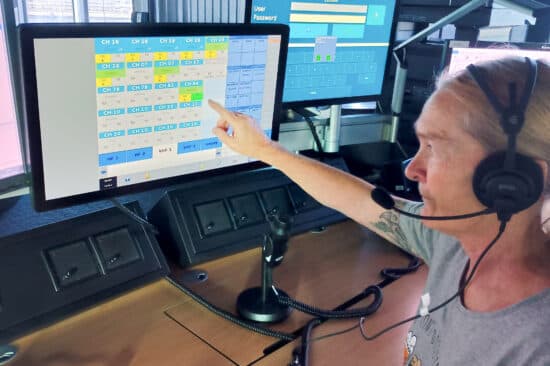
Vicenza company developing plug-and-play 4G and 5G tactical network modules for military vehicles, drones, tactical backpacks and naval platforms, with NATO interoperability and encrypted communications.
Graphene-based photonic transceivers for high-speed data transfer in defence and AI applications. Cambridge University spinout. EUR25M Series A co-led by NATO Innovation Fund.
Contract electronics manufacturer for military avionics, naval and land systems based in Viterbo. Specialises in SMT and PTH board assembly, RF cable preparation and space-grade wiring to ECSS and MIL-DTL standards.
Catania-based satellite communications provider delivering milsatcom networks and on-the-move broadband terminals to the Italian MoD, Coast Guard and Civil Protection. Distributor of Ovzon in Italy, with throughputs up to 150 Mbps on ground, maritime and airborne platforms.

Designs, manufactures and maintains telecommunications and surveillance equipment, including day and night imaging and counter-drone systems, for military air, land, naval, space and cyber communications networks.
Varese manufacturer of RF communication and datalink systems for manned and unmanned aircraft, ground control stations and satcom. Founded in 1984 and supplies military and law enforcement customers.
Rome integrator of tactical communications and coastal surveillance systems for defence, including the BlueSHIELD maritime awareness platform and CommSHIELD deployable shelters. Delivers C4ISR and mission-critical communications for NATO, navies and coast guards.
Cyber software tested on a Navy ship now protects hospitals
Gyala, founded in Rome in 2016 by a team including a former Finmeccanica cybersecurity chief, has one of the better dual-use origin stories in Italian defence. Its Agger platform was developed under Italy's national military research plan, then sold on to hospitals, utilities and factories. “We tested this technology for certification aboard a military frigate,” its chief executive Gian Roberto Sfoglietta told the trade site Sergente Lorusso, translated from Italian. Gyala raised a €5 million round in 2022 led by the state investor CDP Venture Capital.
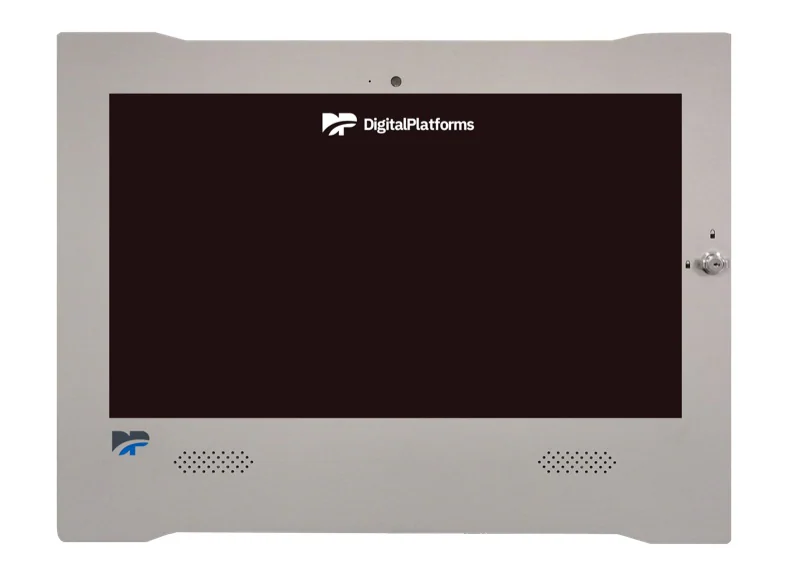
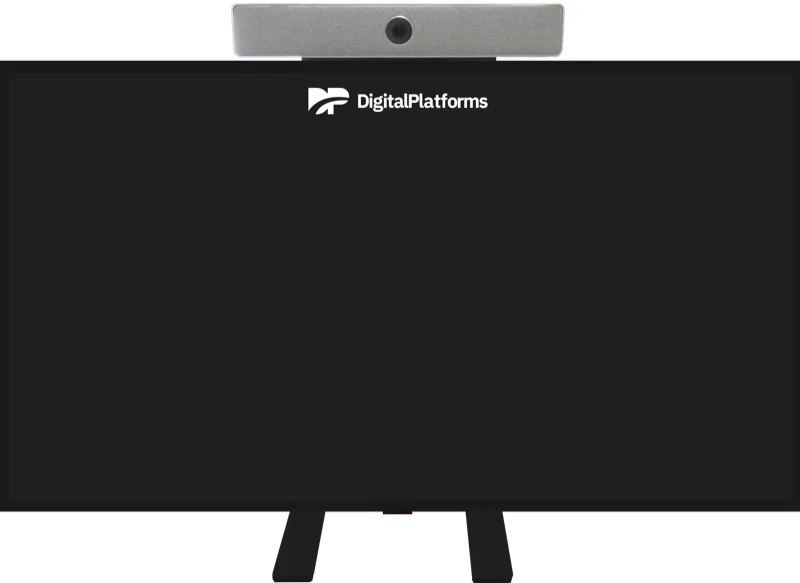
DEAS Cyber+ in Rome runs a cyber hub inside an Italian military base and holds national test-lab accreditation, with over 100 staff. DigitalPlatforms, also in Rome, is an EU and NATO-certified maker of TEMPEST equipment, hardware shielded so its electronic signals cannot be picked up by eavesdroppers, and runs an accredited evaluation lab for both the military and civilian security-certification schemes. IPS Intelligence near Aprilia builds communication-monitoring and lawful-interception systems for governments, with monitoring centres in more than 40 countries, and lists 6 open roles on its own site.
AIKO in Turin writes the AI that lets satellites plan their own missions, with the launch-vehicle maker Avio among its customers, and has raised around €7 million. FlySight in Livorno, part of the Flyby group, builds AI drone-detection and geospatial software and works with HENSOLDT and Leonardo Helicopters. Atlas Engineering in Verona designs its own processors for what it calls physical and autonomous AI, pitched on not depending on non-European chipmakers.

DigitalPlatforms
Italian industrial group providing end-to-end IoT and cybersecurity solutions for critical infrastructure, defence, and public administration sectors.
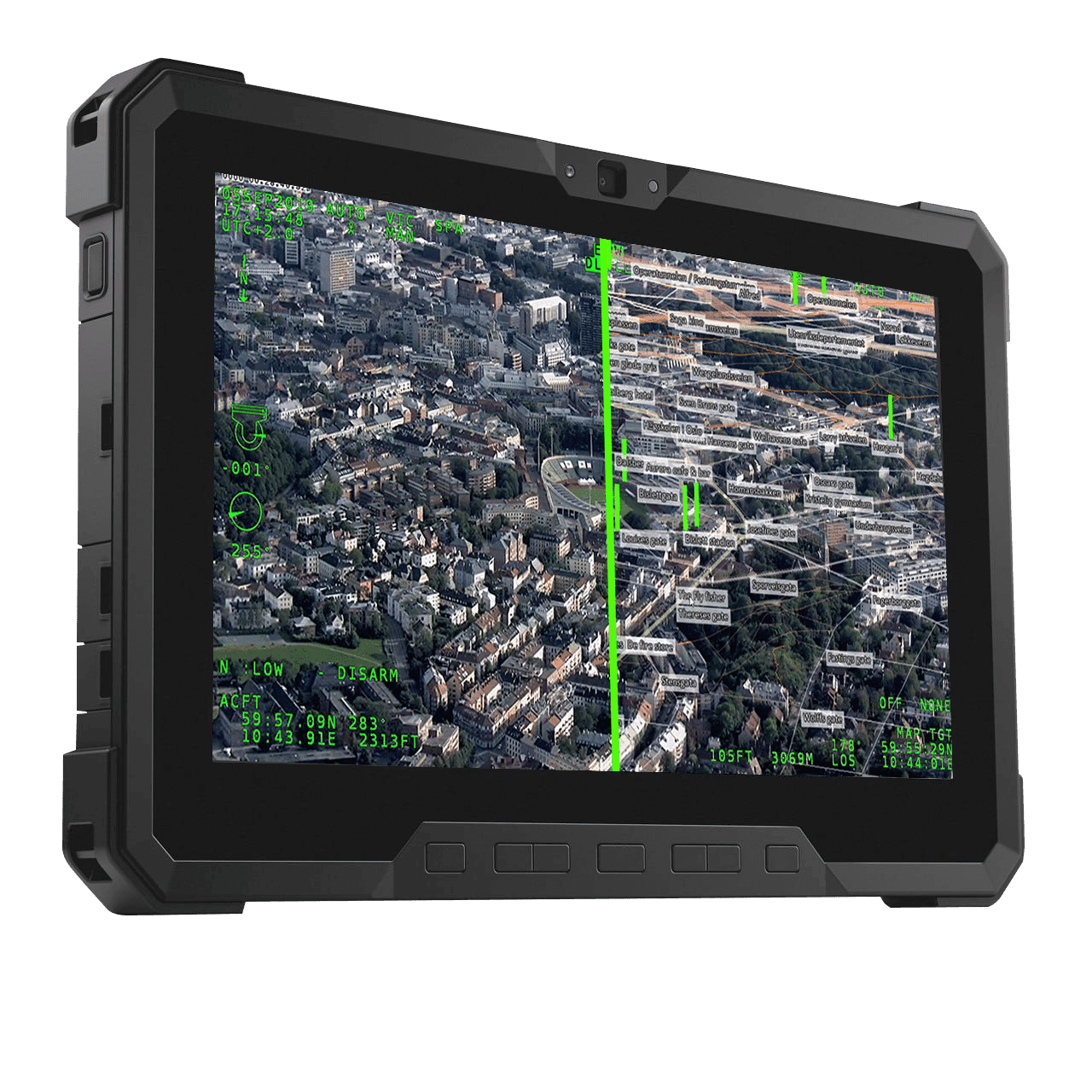
FlySight
Builds OPENSIGHT, a geospatial processing, exploitation and dissemination platform that gives airborne, naval and underwater crews real-time situational awareness and automatic target recognition.


Builds software that lets satellites detect anomalies, process sensor data onboard and maneuver autonomously without waiting on ground control.
Verona company developing edge-AI hardware and software for defence and autonomous systems. Products include the Hephaestus processor for AI inference and training and the Eagle software stack, built without third-party components for European technological sovereignty.
Italian cyber defence company focused on protecting national security, critical infrastructure, and government institutions. Employs around 147 specialists across cyber projects, products, services and training for the Italian Ministry of Defence and security agencies.
Rome cybersecurity company founded in 2016 whose Agger platform for IT/OT infrastructure protection was developed under Italy's National Military Research Plan with the Italian Navy. Provides automated threat detection and response for defence, naval and critical infrastructure customers.
Aprilia developer of intelligence and security platforms for defence and law enforcement agencies, including MEDUSA open-source intelligence, GENESI lawful interception, AQUA maritime intelligence and DEMETRA cyber threat detection. Operates in over 30 countries.

Defence modelling and simulation SME founded in 2021 by Italian Army generals and aviation pilots, providing mission training simulators (VBS4, JTLS, JCATS, EADSIM) and the AI-powered Big Data Guard situational awareness platform. Based in Casalecchio di Reno near Bologna.
Developer of intelligence software for the defence and security sector, including the Risk Advisor asset-risk platform and an organization intelligence tool that maps institutions and networks from open-source data. Based in Gardone Val Trompia.
The quantum encryption that secured a G7 summit
Quantum is a small but real Italian niche. QTI in Florence secured the encrypted press communications at the June 2024 G7 summit in Puglia using its Quell-X encryptors and quantum-key distribution, a way of sharing encryption keys using quantum physics that makes eavesdropping detectable. It was a live deployment rather than a demonstration. It is backed by Telsy, part of the TIM telecoms group.
Ephos in Milan builds photonic chips on glass rather than silicon and raised an $8.5 million seed in 2024, with an added grant from NATO's DIANA accelerator that did not require giving up equity, funding a chip factory in Milan and a San Francisco team. levelQuantum, also in Milan and woman-led, was likewise selected by DIANA and is developing quantum-key distribution over satellite links, fibre-optic cable and beams of light through open air.

Ephos designs and manufactures glass-based integrated photonic circuits using femtosecond laser writing techniques that power advanced classical and quantum computing devices.
Develops quantum cybersecurity solutions through quantum key distribution technology. Provides unconditional security for communications using quantum physics principles.
Builds quantum key distribution systems that secure telecom and fibre-optic networks against classical and quantum computer attacks.
Foreign companies are buying Italian defence firms
Veco Robotics, in Corigliano d'Otranto in the far south, builds a quadruped ground robot called Cesare. It has turned up at NATO's largest exercise of 2026, STEADFAST DART, and with Italy's Alpine troops, feeding live video and environmental data into allied battle-management systems. Legged robots that actually deploy on exercises are still rare, and this one comes from a town in Puglia.
Tekne, in Abruzzo, makes armoured 4x4s and defence electronics, the latter built on a 2016 framework with Thales that brought in about 50 of its former technicians. It is also a case study in the consolidation running through Italian defence. In distress, Tekne agreed in May 2026 to sell 70% to the US laser company NUBURU, a deal valuing the company at €52 million before the new investment and now under Golden Power review. It is one of several. Among the companies we track, the navigation-systems maker Civitanavi went to America's Honeywell, Alpi Aviation to an Italian private-equity buyer, while WSense and Graal Tech agreed to join Fincantieri, pending clearance. Every one of these deals needed government clearance under Golden Power.
Fluid Wire Robotics, a Sant'Anna Pisa spin-off, was the only Italian company in DualTech, the 2024-25 Turin cohort of NATO's DIANA accelerator, another link between the Pisa cluster and Turin.
Pisa-based robotics spin-off from Scuola Superiore Sant'Anna developing force-controllable manipulator arms for harsh environments using patented Fluid Wire transmission technology. Member of NATO DIANA 2025 cohort and EIC Accelerator grant recipient for €2.5M.

Designs and manufactures armoured tactical vehicles, special-purpose transport and electronic warfare systems for defence, emergency response and civil security markets.
Puglia company building autonomous robotics for defence across land, air and water, including the Cesare Q-UGV ground robot and the NEST drone system. Has taken part in NATO and Italian military exercises.
The Army picked its next sniper rifle from a Bergamo workshop
Victrix Armaments, in Cazzano Sant'Andrea in the province of Bergamo, makes precision rifles. In January 2022 the Italian Army chose its Scorpio V in .338 Lapua Magnum as a future sniper rifle, to equip regular and special-forces units and progressively replace the Sako TRG-42, with early deliveries reported to paratroopers, Alpini and Navy divers. Victrix sits next to Gardone Val Trompia, the Brescia valley that has made firearms for six centuries.
R.I. Group in Trepuzzi, near Lecce, builds the deployable structures armies live in on operations, and supplied the Italian Army's Role 2B field hospitals, the mid-sized medical units NATO forces set up close to the front line. The company runs to around 130 staff, with offices from Kosovo to Djibouti. Parnisari Arms near Novara makes body armour, ballistic plates and helmets as a registered NATO supplier. Defshell near Brescia builds military tent systems and Role 1 field hospitals, the smallest and most forward level of military medical care, exported to more than 30 countries, and Teknel in Rome says it builds the shelters, mobile command posts and drone ground-control stations that go with them.

Composite panels and hybrid laminates manufacturer serving armoured vehicles, helicopter interiors, ship reinforcement and body armour. Based in Bra (Cuneo), with a US subsidiary in Wisconsin.
Manufactures survival and protection equipment for defence and security forces, including CBRN suits and masks, ballistic vests, and personnel parachutes and airdrop systems. Strategic supplier to the Italian Ministry of Defence, also building atmospheric re-entry and planetary landing systems for space.
Brand of G&G Partners producing rapidly deployable field shelters, ROLE 1 field hospitals, command posts and hangars using carbon-hybrid materials. Supplies NATO deployable command centres and civil emergency services. Founded in 2008 in Montichiari.
Manufacturer of ballistic body armor, ballistic helmets and personal protection equipment for military and law enforcement, based in Lesa. Supplies national police forces and NATO armed forces under NATO code AEA08.
Italian defence supplier designing modular training facilities, tactical operations centres and Role2B field hospitals for armed forces and police. Also provides ballistic personal protection, underwater DPDs, armoured VR9 vehicles and conversion kits for non-lethal training munitions.

Italian manufacturer of modular military shelters, bunkers, sentry boxes, field hospitals and force protection structures serving NATO, EU and allied ministries. Holds NATO AQAP 2110 and STANAG 2280 ballistic protection certifications, with deployments in Kosovo, Iraq, Lebanon and Afghanistan.
Rome manufacturer of deployable defence shelters and mobile command centres, including radar and power unit shelters and vehicle integration. Provides in-house engineering, qualification and system integration for defence and critical infrastructure.

Builds bolt-action precision rifles for military sniper, anti-materiel and law enforcement use, plus competition and small-bore rifles for civilian shooters.
€14.9 billion in EU loans and 28,000 new jobs at Leonardo are coming
Italy is set to draw about €14.9 billion in subsidised procurement loans from the EU's SAFE instrument, one of the larger national allocations, and Leonardo plans to take its workforce from 62,700 to about 75,500 by 2030, some 28,000 hires. The underwater programme at La Spezia is building out, and Primo Space, Italy's first dedicated space fund, is closing its second fund, worth €120 million, after this summer. For anyone looking for the work, the catch is that much of this hiring never reaches the aggregators. Among the larger Italian employers we checked, most recruit through a single form, an email address or a PDF rather than a job board. At the time of writing we counted at least 26 open roles that exist only on company websites, 16 of them at Page Europa, 6 at IPS Intelligence and 4 at SITTI near Milan. Companies like Drass in Livorno are best reached directly. The atlas tracks 80+ of these companies, with more arriving each month. Explore all Italian companies →
For the roles behind these companies, see the 30+ open defence jobs in Italy, the space and satellite roles and the Italian space companies.

Italy
77 companies · 22 jobs
Industries
Built in Italy


D-Orbit
Fino Mornasco, italy
Leaf Space
Milan, italy
Tekne
Poggiofiorito, italy
DigitalPlatforms
Rome, italy
Eurolink Systems
Rome, italy
Stratobotic
Turin, italy
Victrix Armaments
Cazzano Sant'Andrea, italy
A.ST.I.M.
Ravenna, italy
ABET High Tech Solutions
Bra, italy
AIKO
Turin, italy
Alpi Aviation
Pordenone, italy
Apeiroon
Vicenza, italy
Arescosmo
Aprilia, italy
Aresys
Milan, italy
Argotec
San Mauro Torinese, italy
Atlas Engineering
Verona, italy
AURYN Aero
Rome, italy
Aviosonic Space Tech
Milan, italy
CamGraPhIC
Pisa, italy
Capsule Corporation
Milan, italy
CPM Elettronica
Rome, italy
DCube
Genoa, italy
DEAS Cyber+
Rome, italy
Defshell
Montichiari, italy
Drass
Livorno, italy
Ecosmic
Turin, italy
ELDES
Scandicci, italy
Elesia
Guidonia Montecelio, italy
Ephos
Milan, italy
Evolunar
Turin, italy
FAST Aerospace
Milan, italy
Fluid Wire Robotics
Pisa, italy
FlySight
Livorno, italy
GELCO
Viterbo, italy
Gomedia Satcom
Catania, italy
Graal Tech
Genoa, italy
Gyala
Rome, italy
ICS Technologies
Grottammare, italy
IES - Ingegneria Elettronica Sistemi
Anzio, italy
IngeniArs
Pisa, italy
IPS Intelligence
Aprilia, italy
Italiana Ponti Radio
Varese, italy
Italspazio
San Pietro Clarenza, italy
ITRES
Casalecchio di Reno, italy
Kurs Orbital
Turin, italy
Laran Business
Gardone Val Trompia, italy
levelQuantum
Milan, italy
M.T. Srl
Gessate, italy
MED Defense
Cervia, italy
MetaSensing
Rocca D'Evandro, italy
MIPRONS
Colleferro, italy
Mirai Robotics
Bari, italy
Nimbus UAS
Lombardore, italy
NPC Spacemind
Imola, italy
Nurjana Technologies
Elmas, italy
Officina Stellare
Sarcedo, italy
ORiS
Turin, italy
Page Europa
Rome, italy
Parnisari Arms
Lesa, italy
PEZT Co.
Adro, italy
Planetek Italia
Bari, italy
QTI Quantum Telecommunications Italy
Florence, italy
R.I. Group
Trepuzzi, italy
RF Microtech
Perugia, italy
Selenia 2000
San Cesareo, italy
Sentech
Rome, italy
Siralab Robotics
Terni, italy
SITTI
Vimodrone, italy
Sky Eye Systems
Cascina, italy
SpaceDyS
Cascina, italy
SUEX
Villorba, italy
SunCubes
Milan, italy
Teknel
Rome, italy
Veco Robotics
Corigliano d'Otranto, italy
VirtuaLabs
Rome, italy
WSense
Rome, italy
Xplora
Milan, italy